
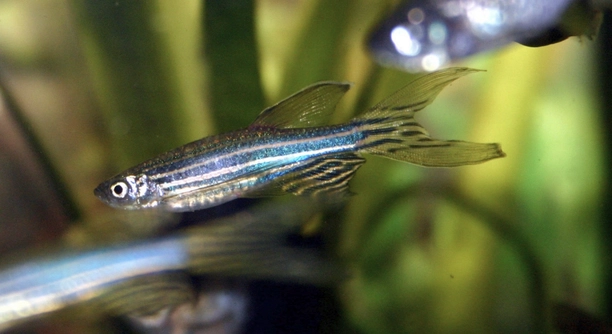
Zebra Danios are lively and popular aquarium fish, known for their playful nature. However, they can be tricky to care for. Understanding their needs is key to keeping them healthy and thriving in your tank.
Common mistakes with Zebra Danios often stem from improper water conditions, feeding habits, and tank setup. These factors can lead to stress or health problems, making it essential to maintain the right environment and routine for them.
Making the right adjustments can ensure your Zebra Danios stay happy and healthy. Let’s explore the mistakes to avoid and how to improve their care.
1. Incorrect Water Temperature
Maintaining the right water temperature is crucial for Zebra Danios. They thrive in water temperatures between 65°F and 75°F (18°C to 24°C). Too warm or too cold, and they may become stressed, leading to health issues or even death. Rapid temperature changes are especially harmful to these fish, so it’s important to use a reliable heater and thermometer to monitor the tank consistently. Zebra Danios are hardy, but they still need a stable environment to remain active and healthy.
To avoid temperature-related issues, try to place the tank in a location where the water will not be subjected to extreme fluctuations. Keeping the aquarium away from windows or air conditioning vents will help maintain a stable temperature.
If your fish show signs of stress, like faded colors or unusual behavior, check the water temperature immediately. The right temperature helps them maintain their vibrant colors and active behavior.
2. Overfeeding
Overfeeding is a common mistake among aquarium owners. Zebra Danios may seem to beg for food, but feeding them too much can cause water quality problems and health issues. Uneaten food decomposes in the tank, creating excess waste that can harm the water’s quality and lead to toxic conditions for the fish.
It’s best to feed Zebra Danios small amounts once or twice a day, only what they can eat in a few minutes. You’ll notice they are always excited for feeding time, but avoid giving in to their begging. Leftover food will sink and pollute the tank.
By sticking to a proper feeding schedule, you’ll maintain a healthier environment for both your fish and the aquarium.
3. Poor Tank Maintenance
Keeping your tank clean is essential for Zebra Danios. Dirty water can lead to a buildup of harmful bacteria, affecting fish health. Regular water changes and cleaning the substrate help prevent toxic waste accumulation.
It’s recommended to clean the tank once a week, replacing about 25% of the water to maintain good quality. You should also clean the filter regularly to ensure it functions properly, removing debris and excess nutrients.
If the water quality drops too low, your Zebra Danios may become lethargic or develop disease. A clean environment reduces the risk of illness and helps them stay active and vibrant.
4. Incompatible Tank Mates
Zebra Danios are peaceful fish but can become stressed if housed with aggressive species. When selecting tank mates, ensure they are non-aggressive and share similar water requirements. Aggressive fish may nip at their fins, causing injury and stress.
Small, peaceful species like guppies or tetras make good tank mates. Avoid larger or territorial fish that may view Zebra Danios as prey. It’s important to keep an eye on their behavior, as signs of aggression can show up even in seemingly calm species.
A harmonious tank environment helps reduce stress, letting your Zebra Danios feel safe and secure. If any issues arise, consider separating incompatible fish.
5. Inadequate Tank Size
Zebra Danios need space to swim freely. A small tank can cause stress, leading to poor health. A tank of at least 10 gallons is ideal for a small group.
A cramped space can limit their movement, making them more vulnerable to illness. Ensure your tank is large enough for them to feel comfortable and active.
A larger tank will also help maintain better water quality. The more space they have, the less likely waste will accumulate quickly, helping maintain a stable environment.
6. Neglecting to Cycle the Tank
Before introducing Zebra Danios, make sure to properly cycle the tank. The nitrogen cycle is essential for breaking down waste into safer substances, preventing toxins from building up.
Skipping this crucial step can lead to dangerous spikes in ammonia or nitrites. Proper cycling takes a few weeks, but it’s necessary for the fish’s survival.
Without proper cycling, Zebra Danios can quickly become stressed and ill from toxic water conditions. Take the time to set up the tank correctly to avoid these issues.
7. Wrong pH Level
Zebra Danios prefer slightly alkaline water with a pH between 6.5 and 7.5. Too high or too low can cause stress, making them more susceptible to diseases.
Regularly test the pH levels to make sure they stay within the ideal range. You can adjust it using pH buffers if necessary.
FAQ
How often should I feed my Zebra Danios?
Zebra Danios should be fed once or twice a day, giving them only as much as they can eat in a few minutes. Overfeeding can lead to water pollution and health problems. It’s best to stick to small portions to avoid leftover food that can rot and affect the water quality. If you notice uneaten food, reduce the amount at the next feeding.
Can Zebra Danios live with other fish?
Yes, Zebra Danios are peaceful and can live with other non-aggressive species. They are best kept with other small, calm fish. Avoid housing them with aggressive fish, as this can cause stress and injuries. Species like guppies, tetras, and small corydoras are suitable tank mates. Always observe their interactions to ensure they’re getting along.
What should the water temperature be for Zebra Danios?
Zebra Danios thrive in water temperatures between 65°F and 75°F (18°C to 24°C). Keeping the water too warm or too cold can stress them out. They are more tolerant of temperature changes compared to other fish, but sudden shifts can still cause health issues. A heater and thermometer can help maintain a steady temperature, preventing fluctuations that could harm your fish.
Do Zebra Danios need a filter?
Yes, Zebra Danios need a filter to keep the water clean. A good filter helps remove waste and debris, ensuring the water stays healthy. Make sure the filter is properly sized for your tank and that it’s cleaned regularly. A filter helps maintain water quality, reducing the chances of harmful bacteria and toxins building up in the tank.
How do I prevent diseases in my Zebra Danios?
Maintaining clean water and a stable environment is key to preventing diseases in Zebra Danios. Regular water changes, proper filtration, and good tank maintenance help reduce stress and minimize the risk of illness. Additionally, keep an eye on their behavior and physical appearance. If you notice any changes, like faded colors or unusual swimming patterns, it could be a sign of illness, and early intervention is important.
What size tank do Zebra Danios need?
Zebra Danios do best in a tank of at least 10 gallons, especially if you plan to keep a small group. A larger tank provides more space for swimming and helps maintain water quality. If the tank is too small, waste can build up quickly, causing harmful spikes in toxins. A bigger tank also helps reduce stress and gives the fish room to swim comfortably.
Can Zebra Danios live in cold water?
Zebra Danios are hardy and can tolerate cooler temperatures, but they still prefer water between 65°F and 75°F. While they can survive in cooler water for short periods, keeping them in a tank that is too cold for too long can cause stress and decrease their lifespan. It’s best to maintain a consistent, moderate temperature to ensure their health.
What is the ideal pH level for Zebra Danios?
Zebra Danios prefer a slightly alkaline pH level between 6.5 and 7.5. Water that’s too acidic or too alkaline can cause stress, affecting their health. Regularly check the pH level using a test kit, especially after water changes. If the pH is outside the ideal range, you can adjust it with a pH buffer or water conditioners.
How do I cycle a tank for Zebra Danios?
Cycling a tank is essential before introducing Zebra Danios. This process helps establish beneficial bacteria that break down toxic ammonia and nitrites into safer nitrates. It typically takes 3-4 weeks, during which you’ll need to monitor the water quality closely. You can use a water testing kit to track ammonia, nitrite, and nitrate levels. Adding a few hardy fish during the cycling process can help speed things up.
Do Zebra Danios need light?
Yes, Zebra Danios benefit from a regular light cycle. They don’t need bright light all day, but they should have a consistent day and night cycle. Around 10-12 hours of light a day is ideal. A standard aquarium light will suffice, but it’s important to avoid too much direct sunlight, which can cause algae growth in the tank. Providing a day/night cycle helps regulate their biological clock.
Are Zebra Danios easy to care for?
Zebra Danios are relatively easy to care for, making them ideal for beginner aquarium owners. They are hardy, adaptable to different water conditions, and not overly picky about food. However, like any fish, they require regular maintenance, proper feeding, and a clean environment to thrive. With a bit of attention, they will remain healthy and active.
How long do Zebra Danios live?
Zebra Danios typically live for around 3-5 years, though some can live longer with optimal care. Proper tank maintenance, regular water changes, and a healthy diet will help extend their lifespan. Keeping their environment stable and free of stress is also important for their well-being.
What do Zebra Danios eat?
Zebra Danios are omnivores and will eat a variety of foods, including flakes, pellets, and frozen or live foods. They enjoy small live foods like brine shrimp or daphnia, which can help keep them active and healthy. A balanced diet that includes both plant and animal matter is important for their nutrition.
Can Zebra Danios breed in captivity?
Yes, Zebra Danios can breed in captivity, but it requires the right conditions. They spawn in groups, and you’ll need a separate breeding tank with fine mesh to prevent the adults from eating the eggs. The water temperature should be slightly higher, around 78°F (25.5°C), to encourage breeding. After spawning, remove the adults to prevent them from eating the eggs.
Do Zebra Danios need a heater?
A heater is not strictly necessary unless the room temperature is too cold. Zebra Danios are adaptable, but they do best in consistent water temperatures between 65°F and 75°F. If you live in a cooler area or if the tank temperature fluctuates, a heater will help maintain the right conditions.
Final Thoughts
Zebra Danios are hardy and easy to care for, making them a great choice for beginners. They are active, peaceful fish that adapt well to different water conditions. As long as their basic needs are met—proper tank size, clean water, and a balanced diet—they will thrive. With the right care, Zebra Danios can be a lively addition to any aquarium. Their playful nature and vibrant colors add a unique touch to the tank, and they are generally compatible with a wide range of other peaceful fish species.
While they are low-maintenance, it’s important not to overlook some of the essential aspects of their care. Water quality, temperature, and tank mates all play a significant role in keeping them healthy. Regular water changes, a stable environment, and the right food can help prevent common issues. Avoiding overfeeding and checking the water parameters regularly will keep your Zebra Danios in the best shape. Also, remember that a tank that is too small or one with fluctuating conditions can cause stress and lead to health problems for your fish.
In conclusion, Zebra Danios are a great option for anyone looking to add some colorful, easy-to-care-for fish to their aquarium. By providing them with a suitable environment, proper food, and regular maintenance, you can enjoy watching these fish for years to come. Whether you are new to fishkeeping or have experience, Zebra Danios are a good choice due to their adaptability and peaceful nature. Just be sure to monitor their environment and stay consistent with their care to keep them happy and healthy.

Hello,
If you enjoy the content that we create, please consider saying a "Thank You!" by leaving a tip.
Every little bit helps us continue crafting quality advice that supports the health, happiness, and well-being of pets around the world, for pets of all shapes, sizes, and species.
We really appreciate the kindness and support that you show us!