
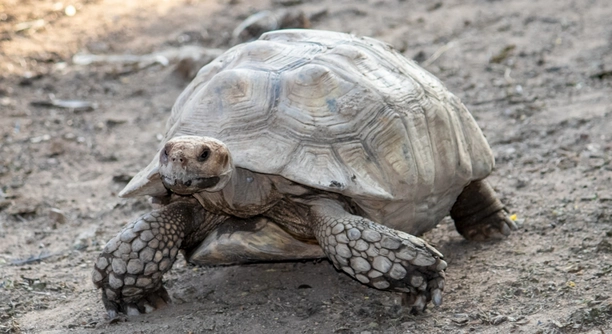
Tortoise shell pyramiding is a common issue that can affect the health of your pet. This condition occurs when a tortoise’s shell develops an abnormal, pyramid-like shape, which can lead to serious complications over time.
The primary causes of tortoise shell pyramiding are improper diet, inadequate humidity, and lack of proper UVB lighting. These factors can hinder shell development and lead to the formation of uneven, pyramid-shaped growths on the shell.
Understanding how to avoid these issues can help maintain your tortoise’s shell health and prevent pyramiding from becoming a concern in the future.
Improper Diet and Pyramiding
A poor diet can be one of the leading causes of tortoise shell pyramiding. Tortoises need a balanced diet rich in calcium and low in protein. Too much protein or an imbalance of nutrients can disrupt proper shell growth. Overfeeding high-protein foods like lettuce and avoiding calcium-rich sources like leafy greens can also contribute to pyramiding. It’s important to provide a variety of appropriate foods to maintain a healthy diet for your tortoise.
A lack of proper calcium intake leads to weak shells, causing uneven growth patterns that result in pyramiding. Ensure you are providing a mix of dark leafy vegetables and supplementing with calcium powder as needed.
Long-term dietary imbalance can cause lasting damage to your tortoise’s shell. A consistent, balanced diet is essential to prevent pyramiding and promote optimal health. Monitoring what your tortoise eats and adjusting accordingly can help avoid unnecessary growth issues in the future.
Inadequate Humidity
Tortoises thrive in a humid environment, and insufficient humidity can lead to pyramiding. Dry conditions prevent the proper growth of the shell, leading to uneven development and a bumpy, pyramid-like appearance.
Without proper humidity, your tortoise’s shell won’t develop evenly. Dry air contributes to slow shell growth, causing the characteristic pyramiding. Keep humidity levels consistent in your tortoise’s habitat by providing water sources and misting when needed.
Consistent humidity is crucial to keeping your tortoise’s shell healthy. Regularly monitor the humidity levels in their enclosure and adjust as necessary. This step can make a significant difference in preventing pyramiding and ensuring your tortoise’s well-being.
Lack of UVB Lighting
UVB lighting is vital for tortoises to process calcium properly. Without it, they cannot effectively use the calcium from their food, leading to shell deformities, including pyramiding. UVB exposure also helps them synthesize vitamin D3, which supports bone health and shell development.
If your tortoise is not getting enough UVB light, consider installing a UVB bulb in their enclosure. These bulbs should be replaced every six months to ensure they provide sufficient UVB. Tortoises need around 10 to 12 hours of UVB exposure daily for healthy growth.
Maintaining proper UVB lighting can prevent shell issues, including pyramiding. Ensure your tortoise gets enough exposure by placing the bulb close enough for them to bask under it. This lighting is essential for their long-term health and proper shell development.
Inadequate Space and Activity
Tortoises need plenty of space to move and exercise. A small enclosure can lead to stress and hinder proper shell growth. When a tortoise is restricted, it can develop uneven shell growth, resulting in pyramiding.
Providing your tortoise with enough room to roam freely is essential for their overall health. A larger enclosure allows them to exercise, helping to maintain a well-formed shell. Additionally, it reduces the chances of obesity, which can contribute to shell deformities.
Encourage your tortoise to move around by including different terrains, such as rocks and logs. A spacious environment will keep them physically active, promoting better shell development. This ensures that their shell grows evenly without becoming deformed.
Improper Temperature
Temperature plays a critical role in your tortoise’s health. If the temperature in their enclosure is too high or too low, it can lead to improper shell growth, causing pyramiding. Maintaining the correct temperature range is essential for digestion, metabolism, and overall development.
Tortoises need a basking spot with temperatures between 90°F and 95°F and a cooler area around 70°F to 80°F. This range supports their natural behaviors and helps their shells grow evenly. If the temperatures fluctuate too much, it can disrupt normal growth patterns.
Consistent temperature control ensures your tortoise’s shell grows properly. Using a thermometer to monitor these temperatures will help prevent issues like pyramiding. A stable environment is crucial for their long-term health and shell development.
Dehydration
Dehydration can contribute to shell deformities in tortoises. When they don’t get enough water, their shells may not grow evenly, leading to pyramiding. Ensure your tortoise has access to fresh water at all times.
Offering a shallow water dish will encourage drinking, and soaking your tortoise in lukewarm water a few times a week helps with hydration. Dehydration affects many aspects of their health, including shell development. Regular hydration is essential for preventing pyramiding and supporting overall well-being.
Stress
Stress can have a negative impact on a tortoise’s health, including their shell. Constant stress from handling, environmental changes, or other pets can disrupt their natural growth processes, leading to pyramiding.
Keeping a calm and stable environment is key. Avoid frequent handling or loud noises around their enclosure. Stress-free tortoises are more likely to develop properly, with an even, healthy shell.
FAQ
What is tortoise shell pyramiding?
Tortoise shell pyramiding is a condition where the shell grows unevenly, forming pyramid-like shapes. This occurs due to various factors, including improper diet, lack of UVB lighting, inadequate humidity, and restricted space. Over time, it can lead to health complications, such as infections and difficulty in movement.
How can I prevent tortoise shell pyramiding?
Preventing pyramiding involves providing a balanced diet with the right nutrients, including adequate calcium and low-protein foods. Ensuring your tortoise has proper UVB lighting, a well-maintained habitat with the correct humidity, and enough space to move around can also prevent pyramiding. Regular hydration is important as well.
Can pyramiding be reversed?
Unfortunately, once pyramiding has occurred, it cannot be completely reversed. However, proper care can prevent further deformities. Ensuring the tortoise is in an ideal environment and has the right diet will help prevent additional pyramids from forming as they grow.
How often should I feed my tortoise?
Tortoises typically need to be fed daily, but the type of food and the amount will depend on the species. Generally, they should receive a variety of leafy greens, vegetables, and occasional fruit. Supplements like calcium can also be added to their diet a few times a week.
Can UVB lighting really prevent pyramiding?
Yes, UVB lighting is crucial for proper calcium metabolism. Without adequate UVB exposure, tortoises cannot use the calcium in their diet effectively, which can lead to shell deformities, including pyramiding. It’s essential to use high-quality UVB bulbs and replace them regularly.
What type of substrate is best for a tortoise?
A good substrate is essential for your tortoise’s health and comfort. Avoid using sand alone, as it can cause impaction if ingested. Instead, use a mix of materials such as organic soil, coconut coir, and hay to ensure proper humidity levels and provide a comfortable surface for your tortoise.
How much space does my tortoise need?
The amount of space your tortoise needs depends on its species. Generally, the larger the tortoise, the more space it requires. A good rule of thumb is providing at least 10 square feet per adult tortoise. Offering ample space for movement helps keep them active and healthy.
How can I maintain proper humidity for my tortoise?
Maintaining proper humidity can be done by misting the enclosure regularly, using a humidifier, or placing a shallow water dish inside. Ensure that the humidity levels match your tortoise’s natural environment. Too much or too little humidity can both lead to health problems, including shell deformities.
What should I do if my tortoise is not eating?
If your tortoise is not eating, first check the temperature and humidity of its habitat. Stress, illness, or environmental issues may be the cause. If conditions are right and they still won’t eat, consult a vet to rule out health problems or to receive advice on how to encourage eating.
Do tortoises need to be bathed?
Yes, tortoises benefit from occasional soaking. Soaking helps with hydration, digestion, and provides an opportunity for them to drink. The water should be lukewarm, and the tortoise should be placed in it for around 20-30 minutes. Ensure they can easily access the water and don’t get too cold.
Can I use a regular light bulb for my tortoise?
No, regular light bulbs do not provide UVB light. You need a specific UVB bulb for tortoises, as it helps them process calcium. These special bulbs simulate sunlight, which is necessary for their overall health and shell development. Ensure to replace the bulb every six months.
How can I tell if my tortoise is stressed?
Signs of stress in tortoises include a lack of appetite, excessive hiding, lethargy, and changes in behavior. If your tortoise is not moving around or seems agitated, check the temperature, humidity, and overall environment. Too much handling or loud noises can also stress them out.
What temperature should my tortoise’s habitat be?
Tortoises need a temperature gradient in their habitat, with a basking area between 90°F and 95°F and a cooler area around 70°F to 80°F. This range allows them to regulate their body temperature and carry out natural behaviors. Use thermometers to monitor the temperatures regularly.
How long do tortoises live?
Tortoises are known for their long lifespans. Some species can live well over 50 years, with certain types even reaching 100 years or more. The lifespan varies based on species, diet, care, and habitat conditions. Providing a good environment will help them live a long, healthy life.
What are the common signs of illness in tortoises?
Common signs of illness in tortoises include lethargy, a lack of appetite, swollen eyes, discharge from the nose or mouth, and abnormal shell growth. If you notice these symptoms, it’s important to consult a veterinarian to address any potential health issues before they become more serious.
Is it normal for a tortoise to eat less in the winter?
Yes, it’s normal for some species of tortoises to eat less during colder months. This behavior is part of their natural cycle. However, they should still have access to fresh food and water. Ensure they are kept in an appropriate temperature range to prevent any health issues.
How can I encourage my tortoise to drink more water?
Encouraging your tortoise to drink more water can be done by placing a shallow dish of water in their enclosure. Soaking them in lukewarm water also helps with hydration. You can also offer water-rich vegetables like cucumber to boost their hydration levels.
Final Thoughts
Taking care of a tortoise is a long-term commitment that requires attention to their specific needs, including diet, environment, and overall well-being. Understanding the causes of pyramiding and how to prevent it is crucial for maintaining your tortoise’s health. Pyramiding is not just a cosmetic issue—it can lead to more serious health problems. By providing the right habitat, proper lighting, and a balanced diet, you can significantly reduce the chances of pyramiding and ensure your tortoise leads a healthy life.
Prevention is key, and it all starts with understanding the importance of proper care. Correct UVB lighting, a well-balanced diet rich in calcium, and an appropriately humid environment are all essential. Ensuring your tortoise has enough space to roam and explore is another critical factor in preventing shell deformities. While pyramiding may not be fully reversible once it begins, taking the right steps can prevent further damage and improve your tortoise’s quality of life.
If you notice any signs of pyramiding or other health issues, it’s always best to consult a veterinarian who specializes in reptiles. They can offer guidance tailored to your tortoise’s species and unique needs. Remember, the key to a long and healthy life for your tortoise is consistency in care and attention. Following the proper care guidelines will help your tortoise live a long, fulfilling life with minimal health concerns.

Hello,
If you enjoy the content that we create, please consider saying a "Thank You!" by leaving a tip.
Every little bit helps us continue crafting quality advice that supports the health, happiness, and well-being of pets around the world, for pets of all shapes, sizes, and species.
We really appreciate the kindness and support that you show us!