
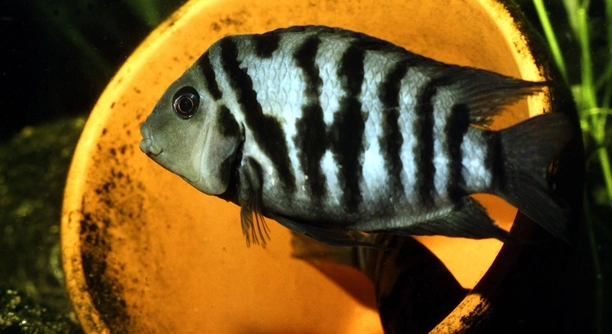
Owning cichlids can be a rewarding experience for many fish enthusiasts. However, new cichlid owners often face challenges that affect their fish’s well-being. Understanding common mistakes is key to providing a healthy environment for these vibrant fish.
Many new cichlid owners make errors such as incorrect tank setup, improper water parameters, overfeeding, lack of adequate filtration, inadequate tank size, poor fish compatibility, and neglecting regular maintenance. These factors significantly impact the health and lifespan of cichlids.
Recognizing these common pitfalls early can improve care and create a thriving aquarium environment for your cichlids. The following article highlights key mistakes and how to avoid them.
Incorrect Tank Setup
Setting up the right tank environment is crucial for cichlids. Many new owners choose tanks that are too small or lack proper decoration and hiding spots. Cichlids need space to swim and territories to establish. Without enough room, fish may become stressed or aggressive. Proper substrate, rocks, and plants help mimic their natural habitat, which supports their health. Water temperature and pH must also be set correctly from the start. A stable environment reduces stress and helps prevent disease. Rushing to add fish before the tank is fully cycled can cause harmful ammonia spikes. Taking time to prepare the tank properly is important for the fish’s well-being and longevity.
A tank that is too small or poorly decorated can cause stress and aggressive behavior in cichlids. Proper setup prevents these issues.
Adequate space and a suitable environment allow cichlids to display natural behaviors. The tank should include hiding places to reduce aggression, and careful monitoring of water conditions ensures stable health. Cycling the tank before introducing fish is essential to avoid toxic buildups. Planning the tank layout with the fish’s needs in mind creates a balanced and healthy habitat.
Overfeeding and Poor Nutrition
Overfeeding is a common problem among new cichlid owners. Many feed their fish too often or provide food that lacks proper nutrients. Cichlids require a balanced diet including proteins and plant matter depending on the species. Excess food can pollute the water, leading to poor water quality and health issues. Feeding small amounts once or twice a day is usually enough. Avoid feeding more than the fish can eat in a few minutes. Using high-quality pellets or flakes designed for cichlids helps meet their nutritional needs. Including occasional live or frozen foods supports growth and coloration.
Feeding too much or low-quality food harms water quality and fish health.
Balanced nutrition is key to strong cichlids. Overfeeding causes uneaten food to decay, increasing toxins in the water. This stresses fish and encourages algae growth. Monitoring feeding habits helps maintain clean water and healthy fish. Switching up diets to include a variety of foods promotes natural behaviors and prevents deficiencies. A proper feeding routine supports your cichlids’ immune systems and overall vitality.
Neglecting Regular Maintenance
Skipping regular tank maintenance often leads to poor water quality. This affects fish health and increases the risk of disease. Regular water changes and filter cleaning keep the environment stable.
Performing weekly water changes of about 20-30% removes toxins like nitrates and prevents waste buildup. Cleaning the filter ensures it functions properly without disrupting beneficial bacteria that help break down harmful substances. Testing water parameters frequently allows you to catch issues early and make adjustments. Ignoring maintenance can quickly cause stress and illness in cichlids.
Regular monitoring of tank conditions is essential. Using water conditioners and replacing filter media as needed supports a healthy aquarium. Consistent care protects your fish and keeps their environment balanced.
Poor Fish Compatibility
Some cichlids are territorial and aggressive, so mixing incompatible species can cause fights. Researching which species coexist peacefully is necessary.
Choosing fish with similar temperaments and sizes reduces aggression. Avoid overcrowding, which stresses fish and leads to territorial disputes. Providing plenty of hiding places helps minimize conflicts by allowing fish to claim separate spaces. Separating aggressive fish early prevents injury and loss. Proper planning ensures a harmonious tank where all fish can thrive comfortably.
Inadequate Filtration
Poor filtration can quickly degrade water quality, stressing cichlids. A reliable filter suited to the tank size is necessary for clean, oxygen-rich water.
Filters should be cleaned regularly but not overly, to preserve beneficial bacteria. Using mechanical, biological, and chemical filtration together works best to maintain balance.
Ignoring Water Parameters
Maintaining stable water conditions is critical for cichlid health. Parameters like pH, hardness, and temperature must be monitored and kept within species-specific ranges.
Sudden changes can shock fish, weakening their immune systems. Regular testing and adjustments help prevent disease and stress, ensuring a comfortable environment.
Lack of Proper Tank Size
Small tanks limit space for swimming and territory, causing stress and aggression. Cichlids need tanks that match their adult size to thrive.
Rushing the Cycling Process
Starting with a fully cycled tank avoids harmful ammonia and nitrite spikes. Patience during cycling creates a safer home for fish.
FAQ
What is the best tank size for cichlids?
Choosing the right tank size depends on the species, but a minimum of 30 gallons is usually recommended for smaller cichlids. Larger species require tanks of 55 gallons or more. Providing enough space reduces stress and aggressive behavior by giving fish room to swim and establish territories.
How often should I perform water changes?
Weekly water changes of 20-30% help maintain clean and stable water conditions. Regular partial changes remove waste, excess nutrients, and toxins that build up over time. This practice supports healthy fish and prevents problems like algae blooms and disease outbreaks.
Can I keep different cichlid species together?
Some species are more compatible than others, but many cichlids are territorial. It’s important to research specific species before mixing them. Choosing fish with similar sizes and temperaments and providing plenty of hiding spots can help reduce aggression.
How do I cycle my aquarium properly?
Cycling involves establishing beneficial bacteria that convert harmful ammonia and nitrites into less toxic nitrates. This process usually takes 4-6 weeks. Testing water regularly during this time helps monitor progress. Avoid adding fish until ammonia and nitrite levels drop to zero.
What should I feed my cichlids?
A balanced diet with high-quality pellets or flakes designed for cichlids is essential. Many species also benefit from occasional live or frozen foods like brine shrimp or bloodworms. Avoid overfeeding, and feed only what your fish can consume within a few minutes.
Why are my cichlids aggressive?
Aggression often comes from territorial disputes, overcrowding, or incompatible tank mates. Ensuring a properly sized tank with enough hiding places helps. Selecting compatible species and avoiding overstocking reduces stress and aggression.
How do I maintain proper water parameters?
Use a reliable test kit to check pH, hardness, ammonia, nitrite, and nitrate regularly. Adjust parameters as needed with water conditioners or additives. Stable conditions within the species’ preferred range keep fish healthy and stress-free.
What signs show my cichlids are stressed or sick?
Common signs include lethargy, loss of appetite, faded colors, rapid breathing, or unusual swimming behavior. Early detection allows for prompt treatment. Maintaining clean water and a balanced diet helps prevent many health issues.
How important is tank decoration?
Decorations like rocks, caves, and plants provide hiding spots and help establish territories. This reduces stress and aggression among cichlids. Using natural decorations that mimic their native environment supports their well-being.
Can I use tap water for my cichlid tank?
Tap water is usually fine if treated with a water conditioner to remove chlorine and chloramine. Testing the water for hardness and pH is important, as some cichlid species require specific water conditions. Adjusting water parameters before adding fish ensures a safe habitat.
Final Thoughts
Caring for cichlids requires attention to detail and patience. Avoiding common mistakes, such as improper tank setup or overfeeding, can make a big difference in the health and happiness of your fish. Taking the time to learn about their specific needs and habits helps create an environment where they can thrive. A well-maintained tank with stable water conditions supports their natural behaviors and reduces stress.
Regular maintenance is essential to keep your aquarium clean and balanced. Consistent water changes, filter care, and monitoring of water parameters protect your cichlids from harmful toxins and diseases. It’s important to avoid rushing through the process of setting up your tank. Allowing the tank to cycle properly before adding fish prevents dangerous ammonia and nitrite spikes. Small actions like these go a long way in ensuring a long, healthy life for your cichlids.
Finally, understanding fish compatibility and providing enough space helps prevent aggression and injury. Cichlids are often territorial, so offering hiding spots and selecting suitable tank mates can reduce conflict. Feeding a balanced diet and not overfeeding also support their well-being. With careful planning and consistent care, owning cichlids can be a rewarding experience. Being mindful of these factors creates a safe and comfortable home for your fish.

Hello,
If you enjoy the content that we create, please consider saying a "Thank You!" by leaving a tip.
Every little bit helps us continue crafting quality advice that supports the health, happiness, and well-being of pets around the world, for pets of all shapes, sizes, and species.
We really appreciate the kindness and support that you show us!