
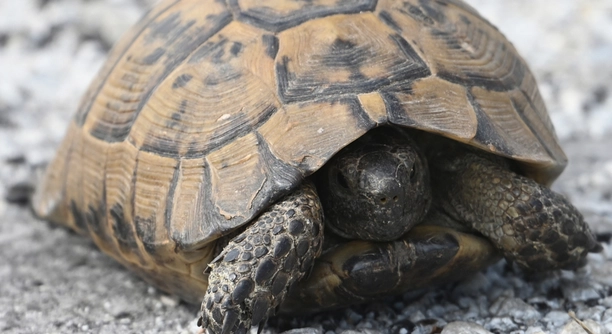
Setting up the perfect enclosure for your Russian Tortoise can be tricky. Many factors come into play, and small mistakes can lead to big problems. Understanding the right approach is essential to ensuring their well-being and comfort.
There are common mistakes people make when setting up a Russian Tortoise enclosure. These include improper temperature control, inadequate space, incorrect substrate, and not providing enough hiding spots. Such issues can lead to health problems for your pet.
Avoiding these mistakes ensures your tortoise stays healthy and happy. The right setup will help create a safe environment for your tortoise to thrive. Keep reading to learn how to improve your enclosure setup and prevent these common pitfalls.
Incorrect Temperature Control
One of the biggest mistakes people make when setting up a Russian Tortoise enclosure is not getting the temperature right. Tortoises need a specific temperature range to stay healthy. The heat gradient in their enclosure must mimic their natural environment, with a basking area at around 95°F (35°C) and a cooler side between 75-80°F (24-27°C). Without proper heating, your tortoise may suffer from digestive issues, low energy, or a weakened immune system. You should also use a reliable thermometer to monitor both areas of the tank.
The temperature needs to be consistent to avoid stressing the tortoise. A temperature drop at night is acceptable, but extreme fluctuations are not. A good heating source is essential.
Using heat lamps or ceramic heaters for warmth is an effective way to maintain proper temperature control. Make sure that the light is directed at the basking area, and that the cooler side of the enclosure remains at a comfortable temperature. Avoid using heat rocks, as they can cause burns. Additionally, having a thermostat to control the heat is highly recommended. Ensure your Russian Tortoise has a gradient in their habitat, where they can move from the warm basking area to the cooler zone whenever needed.
Too Small of an Enclosure
A small space limits your tortoise’s movement and affects its health.
Russian Tortoises are active and need room to roam. A small enclosure can lead to stress, which may cause behavioral issues and affect their growth. Ideally, your tortoise should have at least 4 square feet of space for one tortoise. If you’re keeping more than one, be sure to provide extra space to avoid territorial problems.
An enclosure that’s too small restricts your tortoise’s natural behaviors, such as digging, basking, and exploring. It can lead to obesity as well, because they don’t get enough exercise. Additionally, a cramped environment can impact the tortoise’s mental well-being. This is why providing a large space is crucial. You can opt for a large glass tank, or even better, an outdoor pen if you have the space and climate. The more room your tortoise has, the happier and healthier it will be in the long run.
Incorrect Substrate Choice
The wrong substrate can cause issues with your tortoise’s health and comfort.
Avoid using sand or gravel in your Russian Tortoise enclosure. These materials can cause impaction if ingested, leading to severe health problems. Instead, opt for substrates like organic topsoil, coconut coir, or a mix of both. These materials are safe, help retain moisture, and make it easier for your tortoise to dig, as they would in the wild.
The substrate should be thick enough to allow your tortoise to dig and burrow if it wishes. It’s also important to spot clean regularly and replace the substrate when it becomes too dirty. Additionally, you’ll want to avoid using substrates with chemicals or pesticides, as these can harm your tortoise. Ensure the material you choose is dust-free to prevent respiratory problems. A clean, safe substrate helps create a more natural environment for your pet.
Lack of Hiding Spots
Tortoises, especially Russian Tortoises, need places to hide to feel secure.
Without proper hiding spots, your tortoise may feel stressed. Stress can lead to health problems and behavioral issues. Adding a small box or a rock pile allows them to retreat when they feel the need to be alone. These hiding spots should be placed in different areas of the enclosure to give your tortoise choices.
When designing the enclosure, create hiding spots that are dark and quiet. You can use natural materials like rocks, logs, or wooden hides that your tortoise can easily crawl into. Be sure to keep the area dry and clean to avoid mold or bacteria buildup. This will also help your tortoise feel more comfortable in its home. The more opportunities you provide for them to hide, the less stressed they will be, leading to better overall health.
Poor Lighting Setup
Russian Tortoises need proper lighting to thrive.
Having a proper light cycle is essential for their health. Without the right UVB light, your tortoise could develop shell issues or suffer from vitamin D deficiency. A UVB light is crucial for calcium absorption and overall well-being.
Use a high-quality UVB light to mimic the natural sunlight they would get in the wild. Keep the light on for 10 to 12 hours a day, and replace the bulb every 6 months since UVB output decreases over time. Place the light over the basking area to ensure they get enough exposure to help their shell and bones grow strong.
Incorrect Humidity Levels
Russian Tortoises do not need high humidity, but low humidity can be a problem.
Maintaining a balance is important to keep your tortoise comfortable. Too low humidity can lead to skin shedding issues or dehydration.
Make sure your enclosure stays around 40-60% humidity. You can use a simple hygrometer to measure the humidity level. If it’s too low, mist the enclosure lightly or provide a shallow water dish. But be careful not to overdo it, as excess moisture can cause mold. Consistency is key.
FAQ
What size enclosure does a Russian Tortoise need?
A Russian Tortoise requires at least a 4-square-foot enclosure for one tortoise. If you’re keeping more than one, add more space for each additional tortoise to prevent territorial issues. Larger enclosures are always better, allowing them to move freely, explore, and get adequate exercise. If you can, go bigger.
Can I use sand or gravel as substrate?
It’s not recommended to use sand or gravel as substrate. These materials can cause impaction if ingested, which is harmful. Instead, use organic topsoil or coconut coir. These materials are safer and allow your tortoise to dig naturally, promoting a healthier environment. Avoid anything too sharp or dusty.
How often should I clean my Russian Tortoise’s enclosure?
Cleaning frequency depends on the size of the enclosure and the number of tortoises. Generally, spot cleaning should be done every day to remove waste and uneaten food. A full clean, where you replace the substrate and scrub down the surfaces, should be done every 2 to 4 weeks.
What temperature should I maintain in the enclosure?
Maintain a heat gradient in your tortoise’s enclosure. The basking area should be around 95°F (35°C), and the cooler side should be between 75-80°F (24-27°C). It’s essential to monitor the temperature with a thermometer. Avoid large temperature fluctuations, as it can stress your tortoise.
How can I provide proper UVB lighting?
UVB lighting is crucial for Russian Tortoises, as it helps them synthesize vitamin D and absorb calcium. Use a UVB bulb specifically designed for reptiles, and position it over the basking area. It should be on for about 10 to 12 hours a day. Replace the bulb every 6 months for optimal performance.
Do I need to provide humidity in the enclosure?
Russian Tortoises do not require high humidity, but the air should not be too dry. Keep humidity levels between 40-60%. Too little humidity can cause skin issues and dehydration, while excess moisture can promote mold growth. Monitor humidity with a hygrometer, and adjust as needed.
What should I feed my Russian Tortoise?
Russian Tortoises are herbivores. Their diet should mainly consist of leafy greens like kale, dandelion greens, and collard greens. You can also offer other vegetables like bell peppers, zucchini, and carrots. Avoid high-protein foods like fruits and commercial pellets. Make sure fresh water is always available.
Can I keep multiple Russian Tortoises together?
While it is possible to keep multiple Russian Tortoises in the same enclosure, it can be tricky. They can become territorial, and fights may occur, especially if the space is not large enough. If you choose to house multiple tortoises, ensure the enclosure is spacious enough for each tortoise to have its own area.
How do I know if my Russian Tortoise is healthy?
A healthy Russian Tortoise should be active, alert, and curious. Its shell should be smooth and free of cracks or discoloration. If it’s eating well and moving around the enclosure without signs of lethargy or weakness, that’s a good sign. Regular check-ups with a reptile vet can help ensure they stay healthy.
Should I provide a hiding spot in the enclosure?
Yes, hiding spots are essential. Russian Tortoises need a place to retreat when they feel threatened or stressed. You can create hiding spots using rocks, logs, or small boxes. Ensure these spots are dry and clean to avoid mold or bacteria buildup. They help reduce stress and promote a healthier environment.
Can I keep a Russian Tortoise outdoors?
If the climate is suitable, you can house your Russian Tortoise outdoors. Make sure the outdoor enclosure has proper shelter from rain, direct sun, and predators. The temperature should stay within the appropriate range, and the tortoise should always have access to food and water. Be cautious of extreme weather.
What should I do if my Russian Tortoise is not eating?
Loss of appetite can be a sign of stress or illness. Check for environmental issues, like incorrect temperature or humidity levels, and ensure it has a varied and balanced diet. If the tortoise continues to refuse food or shows signs of lethargy, it’s best to consult a vet.
How do I handle a Russian Tortoise?
When handling a Russian Tortoise, be gentle. Pick it up slowly from the sides, supporting its body to avoid stress. Never pick it up by the legs or tail. Keep handling sessions brief, especially if the tortoise seems stressed. Avoid overhandling to ensure your tortoise stays comfortable.
Is it necessary to have a heat lamp for my Russian Tortoise?
Yes, a heat lamp is essential for providing the basking area with the proper temperature. A heat source helps regulate your tortoise’s body temperature and aids in digestion. Ensure the heat lamp is positioned directly over the basking spot to maintain the necessary warmth.
How often should I replace the UVB bulb?
UVB bulbs lose their effectiveness over time, even if they still emit light. It’s best to replace the bulb every 6 months to ensure your tortoise is getting the proper UVB exposure. Regularly check the UVB output to ensure it’s still working at its full capacity.
Can I use a ceramic heater for my Russian Tortoise’s enclosure?
Ceramic heaters are a good option for providing consistent heat. They don’t emit light, so they won’t disrupt your tortoise’s day/night cycle. Be sure to use a thermostat to regulate the temperature, and avoid placing the heater directly on the substrate, as this can cause burns.
Setting up the proper environment for a Russian Tortoise is not as complicated as it may seem. With the right tools, knowledge, and careful planning, you can create a comfortable and safe space for your pet. Remember, each aspect of the enclosure matters: from temperature control and lighting to substrate choice and space. Taking the time to get these details right can help your tortoise live a healthier and more content life.
One of the most important factors to consider is temperature. Your tortoise needs a basking area to get enough warmth and a cooler side to escape from the heat. If the temperature is too high or too low, it can cause health problems like digestive issues or stress. The correct lighting is equally crucial, especially UVB light, which helps with calcium absorption and bone health. Make sure to provide a well-balanced lighting schedule and replace bulbs regularly to ensure proper care.
Lastly, don’t forget to monitor other key factors like humidity and the size of the enclosure. Both are essential for your tortoise’s overall well-being. A larger space encourages natural behaviors like exploring and digging, which keeps your tortoise active and engaged. Similarly, providing hiding spots and maintaining proper humidity levels will help reduce stress and create a more natural environment. When all of these factors come together, you’ll be well on your way to ensuring that your Russian Tortoise has a happy, healthy, and fulfilling life.

Hello,
If you enjoy the content that we create, please consider saying a "Thank You!" by leaving a tip.
Every little bit helps us continue crafting quality advice that supports the health, happiness, and well-being of pets around the world, for pets of all shapes, sizes, and species.
We really appreciate the kindness and support that you show us!