
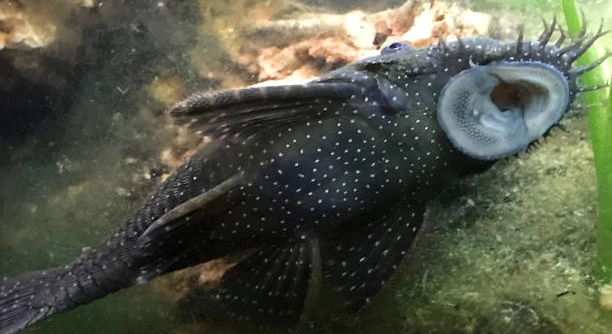
Plecos are popular aquarium fish, loved for their unique appearance and algae-eating habits. However, many people have misconceptions about these fascinating creatures that can affect their care. It’s important to separate fact from fiction.
Many common beliefs about plecos, such as their size, care needs, and behavior, are inaccurate. In reality, plecos vary greatly in species and require specific care, making it essential to understand their true needs for proper tank maintenance.
Understanding these common misconceptions will help you provide the best care for your pleco and avoid mistakes that could harm your fish. Continue reading to learn the truth behind these myths.
Plecos Only Eat Algae
One of the most common myths is that plecos only eat algae. While plecos are known for their algae-eating habits, this is not their sole diet. Plecos, depending on the species, often need a varied diet to stay healthy. They enjoy sinking pellets, vegetables like zucchini, and sometimes even protein-rich foods like shrimp. If you only provide algae, your pleco may not get all the nutrients it needs, potentially leading to malnutrition.
In fact, a balanced diet will keep your pleco active and vibrant. It’s important to include a mix of plant-based foods and proteins in their meals to mimic their natural environment.
By feeding them the right variety of food, you can help them thrive. So, while algae is an important part of their diet, don’t limit them to just that. Make sure you’re offering a mix of options to meet all their nutritional needs. This way, your pleco stays healthy and happy in your tank.
Plecos Grow Really Big
Many people believe plecos grow to enormous sizes, but this isn’t always the case. Not all plecos reach gigantic proportions. Some species, like the common pleco, can grow large, but there are also smaller varieties.
Plecos have a wide range of sizes depending on the species. While some can grow up to 2 feet, others only grow to around 6 inches. For example, the bristlenose pleco stays relatively small and is often a better option for smaller tanks.
It’s important to research the type of pleco you have to understand how big it might get. Providing the proper tank space is crucial. If you have a large pleco, you’ll need to ensure the tank is big enough to accommodate its size comfortably. Additionally, consider upgrading the tank as your pleco grows. Keeping your pleco in a cramped space can cause stress and health issues. With the right knowledge, you can prevent any surprises related to their growth.
Plecos Can Live in Any Tank
Not all tanks are suitable for plecos, despite their reputation for being hardy fish. While they can tolerate various conditions, they still need a well-maintained environment. Water quality, temperature, and tank size all play a significant role in their health.
Plecos are bottom dwellers, which means they require a tank with enough space for them to explore and swim freely. A small tank can stress them out, impacting their health. They also need a filtration system to maintain water quality, as plecos produce a fair amount of waste. Without proper filtration, the water can quickly become polluted, harming both the pleco and other tank inhabitants.
Having a clean and well-maintained tank is essential. Additionally, plecos need a proper hiding place like caves or plants where they can rest and feel secure. Ensuring they have these essentials will keep them happy and healthy for years to come.
Plecos Don’t Need Much Attention
It’s easy to assume that plecos are low-maintenance fish because they are often left alone in the tank to clean algae. However, they still need attention and proper care to thrive. They require routine feeding, water changes, and monitoring for any signs of illness.
Though they are relatively independent, plecos can still become stressed without proper care. For example, their algae diet may not be enough to keep them healthy, so it’s essential to supplement with other foods like veggies or protein sources. Ignoring their dietary needs can lead to poor health over time.
Regularly checking the water parameters is just as important. Plecos are sensitive to changes in water temperature, pH, and ammonia levels. By keeping a close eye on these factors and maintaining a proper care routine, your pleco will thrive and stay healthy.
Plecos Can Live with Any Fish
Not all fish are suitable tankmates for plecos. Some fish can be too aggressive, while others might not be compatible due to differing water needs. It’s essential to choose tankmates carefully to ensure a peaceful and healthy environment for your pleco.
Plecos often do well with peaceful fish like tetras, gouramis, or mollies. Avoid placing them with fin-nipping or overly aggressive species, as plecos can become stressed or injured. Additionally, fish that prefer warmer water may not get along with plecos, who typically prefer cooler water. Always check compatibility before adding new fish to your pleco’s tank.
Plecos Are Nocturnal Only
While plecos are primarily nocturnal, they are not exclusively active at night. Many species of plecos also have periods of activity during the day, especially in low-light conditions. It’s important to ensure your pleco has a suitable environment where they feel safe at all times.
Plecos will often come out to feed or explore their surroundings during the day, although they prefer dimly lit spaces. If they are in a brightly lit tank during the day, they may hide or become less active. The more natural and calm their environment, the more likely they are to show daytime activity.
Plecos Don’t Need a Heater
Some believe plecos can survive in tanks without a heater, but this is not true for all species. While certain types of plecos can tolerate cooler temperatures, many require stable, warmer water to stay healthy. Without a heater, water temperature can fluctuate, causing stress.
A heater helps maintain a consistent water temperature, which is vital for plecos to thrive. The ideal temperature range depends on the species, but most plecos do well in the 74°F to 80°F (23°C to 27°C) range. Keeping the water within this range ensures your pleco remains active and healthy.
FAQ
Do plecos need a lot of space?
Yes, plecos require ample space, especially as they grow. Larger species can reach up to 2 feet in length, so a bigger tank is necessary. A minimum of 75 gallons is recommended for most plecos to allow them room to swim freely and explore their environment. Smaller species, like the bristlenose pleco, can live in a 30-gallon tank, but they still need enough space to move around comfortably. Without enough space, plecos can become stressed, which affects their health and behavior.
What do plecos eat besides algae?
While algae is an important part of their diet, plecos also need a variety of foods to stay healthy. They will eat sinking pellets, vegetables like zucchini, cucumbers, and spinach, as well as proteins such as shrimp or fish fillets. It’s important to offer a balanced diet to ensure they get all the necessary nutrients. In nature, plecos are omnivores, feeding on plant matter, detritus, and small invertebrates. Offering them a mix of plant-based and protein-rich foods keeps them active and helps prevent malnutrition.
How often should I feed my pleco?
You should feed your pleco once a day, but be mindful of overfeeding. Plecos are not greedy eaters, but they can consume excess food if it’s available. Feeding them too much can lead to water quality problems and obesity. It’s best to give your pleco a small portion of food that they can finish within 2 to 3 hours. If any food is left, remove it to prevent it from polluting the tank. It’s also important to feed your pleco at night since they are nocturnal and more active after the lights go out.
Can plecos live with other fish?
Plecos can live with other fish, but it’s important to choose their tankmates carefully. They are generally peaceful but can be territorial, especially when they feel threatened. Avoid aggressive or fin-nipping species that could harass your pleco. Peaceful fish such as tetras, mollies, and gouramis are often good companions. Ensure that the fish you choose share similar water conditions and temperature needs. A well-planned community tank ensures that all fish can coexist peacefully, and your pleco will thrive in a social setting.
Are plecos good for beginners?
Plecos can be a good choice for beginners, but it’s essential to understand their care requirements. They are relatively hardy and can tolerate a range of water conditions, but they do need proper care to stay healthy. Beginners should be prepared to provide a well-maintained tank with proper filtration and water quality. Additionally, understanding their dietary needs and the space they require is crucial. If you can meet their needs, plecos make great additions to your aquarium.
Do plecos clean the tank?
While plecos help control algae growth, they should not be relied upon as the sole method of tank cleaning. They do eat algae and debris, but they won’t keep the tank completely clean. Regular tank maintenance, such as water changes and cleaning the substrate, is necessary. Plecos contribute to the overall health of your tank by helping reduce algae, but they don’t replace a proper cleaning routine. It’s important to stay on top of water quality to ensure the best environment for your pleco and other tank residents.
Do plecos need a filter?
Yes, plecos require a filter in their tank. Plecos are messy eaters, and their waste can quickly pollute the water. A high-quality filtration system helps maintain water quality and removes harmful substances like ammonia and nitrites. The filter also provides essential water movement and aeration. Without proper filtration, water conditions can become toxic, stressing your pleco and other fish in the tank. Choose a filter that is suitable for the size of your tank and ensures efficient filtration for optimal water quality.
What is the best temperature for plecos?
The ideal water temperature for plecos depends on the species, but most prefer temperatures between 74°F and 80°F (23°C to 27°C). Some plecos, like the bristlenose pleco, can tolerate slightly cooler water, while others prefer warmer conditions. It’s important to keep the temperature stable, as fluctuations can cause stress and health problems. Use a reliable aquarium heater to maintain a consistent temperature and check it regularly with a thermometer. Stable water temperature is crucial for your pleco’s well-being and overall tank health.
Can plecos live in cold water?
Most plecos are not suited for cold water tanks. While some species can tolerate cooler temperatures, they generally do better in warmer water. Species like the common pleco and royal pleco are native to tropical regions and need stable, warm conditions. Cold water can stress your pleco and weaken its immune system, making it more susceptible to diseases. It’s best to avoid placing plecos in tanks that don’t have a heater, especially if the water temperature regularly drops below 70°F (21°C).
How do I know if my pleco is healthy?
A healthy pleco should be active, with clear eyes and a strong appetite. Its fins should be fully extended and free from signs of injury or infection. The body should be smooth, with no visible sores or lesions. If your pleco is hiding excessively, refusing food, or swimming erratically, it may be stressed or sick. Monitor its behavior and the water quality closely. Any changes in its appearance or behavior should be addressed quickly, as plecos can be prone to certain diseases like ich or parasites. Regular water testing and proper tank maintenance help keep your pleco in top condition.
Do plecos need caves or hiding spots?
Yes, plecos appreciate having caves or hiding spots in their tanks. Being bottom dwellers, they like to rest in dark, quiet areas during the day. Providing them with caves, driftwood, or plants gives them a sense of security and helps reduce stress. Plecos are nocturnal and often prefer hiding during the day and becoming active at night. Creating a tank environment with hiding spots ensures they feel safe and comfortable, which in turn supports their overall health.
Can plecos reproduce in an aquarium?
Plecos can reproduce in aquariums under the right conditions, though breeding them can be tricky. The male pleco creates a nest in a cave or other sheltered area, and the female lays her eggs inside. The male then guards the eggs until they hatch. The water temperature needs to be slightly higher than usual, typically around 80°F (27°C), to encourage breeding. It’s important to have a large enough tank with plenty of hiding spaces and the right water conditions. Keep in mind that pleco breeding can be challenging and requires careful monitoring.
Final Thoughts
Caring for a pleco can be a rewarding experience, but it’s essential to understand their true needs. There are many myths surrounding these fascinating fish, such as the belief that they only eat algae or that they don’t need much space. However, these assumptions can lead to improper care, which could negatively affect your pleco’s health. Plecos require a balanced diet, proper tank space, and suitable tankmates to thrive. They also need a well-maintained environment with good water quality and temperature. By staying informed, you can ensure that your pleco lives a long and healthy life in your aquarium.
It’s also important to note that not all plecos are the same. There are various species, each with different care requirements, growth rates, and temperaments. Some species stay small and can fit in smaller tanks, while others grow large and need more space. Always research the specific type of pleco you have to understand its unique needs. This will help you avoid common mistakes and provide the best possible care. Knowing your pleco’s requirements will allow you to create a safe and comfortable environment where it can thrive.
Ultimately, the key to successfully keeping a pleco is to stay informed and proactive in your care routine. Regular water changes, proper filtration, and a well-balanced diet will keep your pleco healthy. Additionally, maintaining a peaceful tank environment and understanding their specific needs will make the experience of keeping a pleco enjoyable for both you and your fish. With the right care, your pleco can be a wonderful and long-lasting addition to your aquarium.

Hello,
If you enjoy the content that we create, please consider saying a "Thank You!" by leaving a tip.
Every little bit helps us continue crafting quality advice that supports the health, happiness, and well-being of pets around the world, for pets of all shapes, sizes, and species.
We really appreciate the kindness and support that you show us!