
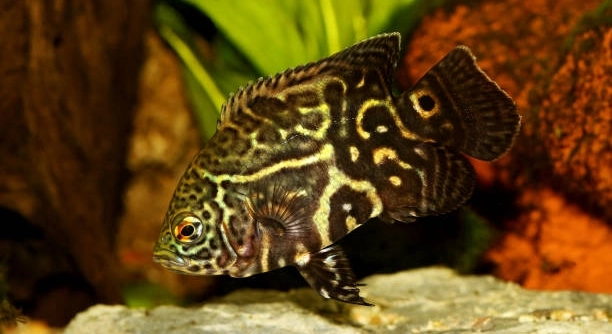
Oscar fish are fascinating creatures that can bring a lot of joy to your aquarium. However, their behavior can often be misunderstood, leading to confusion among fish owners. Here are some common misconceptions about Oscar fish behavior.
Many people think Oscar fish are aggressive and unpredictable, but their behavior is often influenced by their environment, tank mates, and care. Understanding these factors can help avoid confusion and improve their overall well-being in captivity.
By understanding how Oscar fish react in different situations, you can make informed decisions for a happy and healthy aquarium. Let’s explore these common myths and the truths behind them.
Oscar Fish Are Always Aggressive
It’s a common belief that Oscar fish are naturally aggressive and should be kept away from other species. While they do have a reputation for being territorial, their aggression is often triggered by certain factors like stress, improper tank conditions, or competition for food. In reality, Oscars can be peaceful when they feel secure in their environment.
When given enough space, proper tank mates, and a stable environment, Oscars tend to behave much more calmly. However, stress from overcrowding or a poor habitat can cause them to become more defensive. They are also known to act aggressively when protecting their territory or during breeding.
So, instead of seeing Oscar fish as naturally hostile, it’s essential to focus on the conditions that might trigger such behavior. In a well-maintained tank with appropriate care, Oscars can be relatively peaceful. Keeping them with other non-aggressive species can also help create a balanced aquarium environment.
Oscar Fish Can Live in Any Sized Tank
Many new Oscar owners mistakenly think that these fish can thrive in a small tank. Oscars grow large, and their size requires a spacious habitat.
To keep them healthy, it’s important to provide a tank of at least 55 gallons when they’re young and upgrade to a 75-100 gallon tank as they grow. Oscars need room to swim freely and maintain their health. A smaller tank limits their movement and can lead to poor water quality, which can harm their well-being.
Keeping an Oscar in a cramped tank can lead to stunted growth and higher stress levels. They also produce a lot of waste, so filtration needs to be strong and consistent to maintain a healthy environment. Always consider their full adult size when selecting a tank for your Oscar.
Oscars Are Easy to Care For
A common misconception is that Oscar fish are low-maintenance and easy to care for. While they can adapt well to captivity, they do require a lot of attention and proper care. Their large size, appetite, and need for a clean environment make them more demanding than many smaller fish species.
These fish need consistent water changes and a well-maintained filtration system to prevent the buildup of toxins. Their diet should be varied, including high-quality pellets, frozen foods, and occasional live treats. Skipping on their nutrition can lead to health problems down the road.
Oscars are also known to be quite messy. Their large tank size and high waste production mean that regular cleaning is necessary to keep the water conditions optimal. Keeping an Oscar is not for beginners, and anyone considering them should be prepared for the commitment that comes with maintaining their health.
Oscar Fish Can Live with Any Fish
It’s often believed that Oscar fish can peacefully live with any fish species. However, this isn’t true for all types of fish. Oscars are predatory by nature and may see smaller fish as potential food.
While they can coexist with larger, more peaceful species, Oscars often end up bullying or eating smaller tank mates. Fish like cichlids and fast-moving species are usually safer companions for Oscars, as they can hold their own in the tank and avoid becoming meals.
Choosing tank mates for your Oscar requires careful consideration. Keeping non-aggressive but similar-sized fish will reduce the risk of violence or feeding behaviors. Adding too many fish in a small tank or mismatched species will only lead to stress for everyone involved. So, carefully plan your tank’s inhabitants based on the Oscar’s needs and behaviors.
Oscar Fish Are Not Smart
There’s a misconception that Oscar fish are simple creatures with little intelligence. In fact, they are quite smart and capable of recognizing their owners. Oscars can be trained to eat from your hand and even follow you around the tank, showing signs of curiosity and memory.
They often recognize people who feed them regularly and can distinguish between different individuals. Some studies have shown that Oscars can even solve basic puzzles or tasks, such as navigating mazes or responding to certain stimuli. This intelligence makes them fascinating pets, as they can form bonds with their owners.
Oscar fish are also capable of learning routines. If you consistently feed them at a particular time, they may start to anticipate when it’s feeding time. This kind of behavior is not typical of every fish species, making Oscars unique and more interactive in an aquarium setting.
Oscar Fish Don’t Need a Lot of Space
It’s a common mistake to think that Oscar fish can thrive in a small tank. As they grow large, they require plenty of space to swim and explore. A small tank can cause stress and poor water quality, which negatively affects their health.
Oscar fish need at least a 55-gallon tank when they’re young. As they grow, upgrading to a larger tank, such as 75-100 gallons, is necessary to accommodate their size and reduce stress. Smaller tanks limit their movement and may also lead to territorial aggression. Proper space allows them to move freely, preventing stunted growth and behavior issues.
In addition to size, the tank should be well-filtered and have a stable environment. Poor water conditions in a small tank can lead to higher toxin levels, which are harmful to Oscars. So, ensure they have the space and resources they need to stay healthy and happy in your aquarium.
Oscar Fish Are Not Messy Eaters
Many people believe that Oscar fish are messy eaters because they are large, but this is not entirely true. While they do produce a lot of waste, their feeding habits can be kept under control with proper care.
Oscar fish typically eat in a more controlled manner when fed appropriately. Overfeeding or feeding too many live foods can contribute to their messiness. When given a balanced, healthy diet with the right portion sizes, their eating habits can be relatively clean. It’s essential to monitor their feeding to avoid excess waste buildup in the tank.
Maintaining a good feeding schedule and cleaning up uneaten food can help reduce the mess. A well-kept tank with effective filtration will also help manage any waste generated during feeding. Oscars can be clean eaters when managed properly, despite their size.
Oscar Fish Don’t Need Regular Water Changes
Many people think Oscar fish don’t need frequent water changes. In reality, Oscars produce a lot of waste, and their tanks require regular maintenance to keep the water quality in check.
Water changes are essential for maintaining a healthy environment for Oscars. The amount of waste they produce can quickly build up toxins, leading to poor water quality. Changing 25-30% of the tank water every 1-2 weeks helps keep these toxins under control and reduces the risk of health issues for your fish.
With consistent water changes, you can ensure that your Oscar fish live in a clean and healthy environment, reducing the likelihood of stress and illness caused by poor water conditions.
Oscar Fish Are Slow Growers
Oscar fish are often thought to be slow growers, but they actually grow fairly quickly, especially when they are given proper care.
From a small size, they can grow up to 12-14 inches in just one to two years, depending on tank conditions and feeding. A spacious tank, proper diet, and consistent water quality will encourage their growth. The better their environment, the faster they will grow. They can reach their adult size in just a few years if they are provided the right conditions.
FAQ
Do Oscar fish get along with other fish?
Oscar fish can coexist with other species, but it’s essential to choose tank mates wisely. They are territorial and can be aggressive, especially towards smaller fish that might fit into their mouths. It’s best to keep Oscars with other large, peaceful fish that can hold their own. Fast-moving species or similarly-sized cichlids make good companions for Oscars. Keep in mind that even with the right tank mates, there may still be occasional squabbles, so it’s important to provide enough space and hiding spots.
How often should I feed my Oscar fish?
Oscar fish should be fed once or twice a day, but it’s important to avoid overfeeding. Overfeeding can lead to water quality issues and obesity. The amount of food you give should be enough for them to consume in a few minutes. A varied diet is essential for their health, including high-quality pellets, frozen or live foods such as worms, shrimp, and small fish. Offering a variety of food helps provide balanced nutrition. Make sure to remove any uneaten food to maintain water quality.
Can Oscar fish live with goldfish?
It is generally not recommended to keep Oscar fish with goldfish. Oscars are predatory and may see goldfish as food, especially as they grow larger. Goldfish, on the other hand, are slow swimmers and might not be able to escape if an Oscar becomes aggressive. Their different care needs in terms of water temperature also make it hard for them to thrive together in the same tank. It’s safer to keep Oscars with other large, fast-moving, or similarly-sized species.
What size tank do I need for an Oscar fish?
Oscar fish require a large tank to thrive. A minimum of a 55-gallon tank is needed when they are young, but as they grow, you should upgrade to at least a 75-100 gallon tank. Oscars grow large, and they need plenty of space to swim freely. Overcrowding can lead to stress and aggressive behavior. The bigger the tank, the better, as it also helps with maintaining water quality and providing enough swimming space.
How do I know if my Oscar fish is stressed?
Oscar fish can show signs of stress in several ways. Common signs include excessive hiding, rapid gill movement, or an increase in aggression. They may also stop eating or swim in circles. Stress can be caused by poor water conditions, inadequate tank size, incompatible tank mates, or sudden changes in their environment. To reduce stress, ensure your tank is large enough, properly filtered, and that the water quality is regularly checked. Additionally, avoid sudden temperature changes or excessive noise around the tank.
What should I do if my Oscar fish is not eating?
If your Oscar is refusing food, it could be a sign of stress, illness, or improper water conditions. First, check the water quality and temperature to ensure it’s in the correct range for Oscars. If everything seems fine with the tank, try offering different types of food, as they may have become bored with their usual diet. If the problem persists, it’s worth consulting a vet to rule out any health issues like parasites or infections.
How long do Oscar fish live?
Oscar fish can live for around 10-15 years in captivity with proper care. Some have been known to live even longer. To ensure a long lifespan, focus on maintaining optimal water conditions, providing a varied and nutritious diet, and keeping them in an appropriately-sized tank. Regular water changes and good filtration will help prevent disease and stress, both of which can shorten their lifespan.
Can I keep more than one Oscar fish in the same tank?
You can keep more than one Oscar fish in the same tank, but you’ll need to be prepared for their territorial behavior. Oscars are often aggressive with each other, especially if they are of similar size or sex. If you choose to keep multiple Oscars, a large tank is necessary—at least 100 gallons—to give them enough space to establish their own territories. Adding them to the tank at the same time can reduce the chances of territorial disputes. However, be prepared to separate them if aggression becomes a problem.
Are Oscar fish hard to take care of?
Oscar fish are not difficult to care for, but they do require attention and proper maintenance. They need a large tank, clean water, and a proper diet. Oscars are relatively hardy fish and can adapt well to different environments, but neglecting their needs can lead to stress, illness, or even death. Regular water changes, proper filtration, and monitoring water parameters are essential for their health. As long as you’re committed to providing the right environment, Oscars can make great pets.
What is the best temperature for Oscar fish?
Oscar fish thrive in water temperatures between 74°F and 80°F (23°C to 27°C). It’s important to maintain a stable temperature within this range, as drastic temperature changes can stress the fish. A heater is essential to ensure the water stays within the appropriate range, especially if the ambient temperature fluctuates. Keeping the temperature steady will help your Oscar stay healthy and active.
Do Oscar fish need a filter?
Yes, Oscar fish need a filter. They are messy eaters and produce a lot of waste, which can quickly degrade water quality. A high-quality filter will help maintain clean water by removing excess waste, uneaten food, and harmful toxins. You’ll also need to perform regular water changes to keep the water fresh. A good filtration system is essential for keeping your Oscar healthy, as poor water quality can lead to stress and disease.
How do I keep my Oscar fish active and happy?
To keep your Oscar fish active and happy, provide a stimulating environment. This includes a spacious tank, proper hiding spots, and a varied diet. Oscars enjoy exploring their surroundings, so having rocks, plants, and decorations can help create an interesting environment for them. Regular feeding, a stable water temperature, and maintaining good water quality will also keep them active and healthy. Additionally, interacting with your Oscar and hand-feeding them can strengthen the bond and keep them engaged.
Final Thoughts
Oscar fish are unique and fascinating creatures that can make excellent pets when properly cared for. They have distinct personalities, and many owners enjoy the bond they can form with them. Oscars are intelligent fish, capable of recognizing their owners and even learning routines. This makes them more interactive than many other species, and they can bring a lot of personality to an aquarium. However, their size, feeding habits, and behavior mean they require more attention than smaller, less demanding fish.
When caring for Oscar fish, it’s essential to focus on their needs. This includes providing them with a large tank, maintaining good water quality, and ensuring their diet is well-balanced. Oscars are messy eaters, so regular water changes and effective filtration systems are a must. They also need room to swim and establish territories, which makes a spacious tank important. Additionally, be mindful of their tank mates, as Oscars can be territorial and aggressive toward smaller or incompatible species. Choosing the right companions and keeping their environment stable will help reduce stress and improve their overall well-being.
Understanding Oscar fish behavior is crucial for ensuring their happiness in captivity. While they may have a reputation for being aggressive, much of this behavior can be linked to their environment and care. Stress, poor water conditions, and overcrowding can all lead to aggression, while a spacious, well-maintained tank can help keep them calm and content. With the right setup and attention, Oscars can live a long, healthy life and become a rewarding part of your aquarium. By debunking some of the common misconceptions, you’ll be better prepared to provide them with the care they deserve.

Hello,
If you enjoy the content that we create, please consider saying a "Thank You!" by leaving a tip.
Every little bit helps us continue crafting quality advice that supports the health, happiness, and well-being of pets around the world, for pets of all shapes, sizes, and species.
We really appreciate the kindness and support that you show us!