
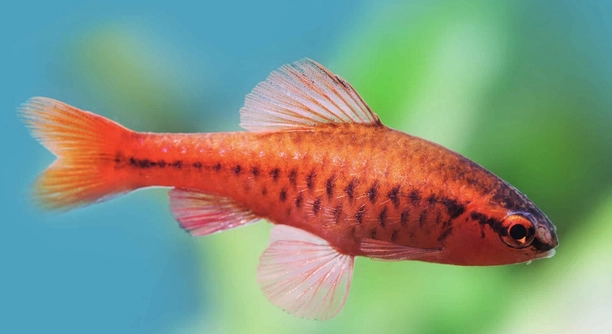
Cherry barbs are small, popular fish in the aquarium hobby, known for their vibrant color and active behavior. However, there are a lot of misconceptions about their size that can confuse new fish owners. This article clears up these myths.
The size of a cherry barb typically ranges between 1.5 to 2 inches in length when fully grown. Despite being labeled as “small,” they are larger than many beginners realize, and their size can vary depending on their environment and diet.
Understanding these misconceptions will help you provide the best care for your cherry barbs and ensure they thrive in their aquatic environment. Keep reading to uncover more facts about their true size and growth patterns.
Cherry Barb Size: Misconceptions About Their Growth
When it comes to cherry barbs, many aquarium owners mistakenly believe they stay much smaller than they actually do. While it’s true that these fish are considered small, they still grow to a reasonable size. A cherry barb’s typical adult size is around 1.5 to 2 inches. Some people expect them to remain at the juvenile size, which is much smaller, but this isn’t the case. They need enough space to grow comfortably, and their size is influenced by factors like tank size, water conditions, and diet. Cherry barbs may appear tiny at first, but they can grow to their full size when kept in an ideal environment.
The cherry barb’s size can be influenced by the space available to it. When housed in a small tank, these fish may stay smaller than expected, but once given more room, they tend to grow to their full potential. It’s important to understand this growth pattern.
Providing a larger tank allows cherry barbs to move freely, promoting healthy growth. Smaller tanks, especially those with poor water quality or overcrowding, can stunt their size. The size of a cherry barb can also be influenced by its diet and overall care. Proper nutrition and stable water parameters are essential for ensuring they grow to their full potential. As they grow, these fish will also display brighter colors and more active behavior, making them a vibrant addition to your aquarium.
Diet and Its Impact on Cherry Barb Size
What you feed your cherry barbs plays a crucial role in their growth. A poor diet can result in stunted growth or unhealthy fish. Providing a balanced diet with high-quality flakes, pellets, and occasional live food helps promote healthy size and coloration.
Cherry barbs need a mix of protein and plant matter in their diet. In the wild, they eat a variety of small insects, algae, and plant material. In the tank, it’s essential to mimic this variety. Over-relying on one type of food can lead to nutritional imbalances that stunt growth or cause other health problems. Offering a range of foods ensures that cherry barbs receive all the nutrients they need for proper growth.
Furthermore, overfeeding should be avoided as it can lead to poor water quality and health issues that negatively affect their size. A balanced feeding schedule will ensure that your cherry barbs grow at a healthy rate. Consistent feeding habits and good water conditions support their overall well-being, allowing them to reach their maximum size and thrive.
Tank Size and Cherry Barb Growth
The size of your tank is a key factor in how large your cherry barbs will grow. In cramped spaces, they may remain smaller due to limited movement and fewer resources. A larger tank provides the space they need to develop fully.
When kept in a small tank, cherry barbs are likely to become stressed, which can hinder their growth. A spacious tank allows them to explore and swim freely, which promotes both physical growth and activity levels. When they have enough space, these fish will not only grow larger but will also show more vibrant colors. Water quality improves with a larger tank, making it easier to maintain optimal conditions for growth. Additionally, the more space available, the less likely it is for overcrowding to stifle their development.
Providing a tank with sufficient space helps reduce stress and promotes healthier growth for your cherry barbs. This is especially true if you maintain good filtration and frequent water changes. When properly cared for, cherry barbs will thrive and grow to their full potential.
Water Conditions and Cherry Barb Size
Water conditions are critical for cherry barbs to grow to their full size. Poor water quality can lead to stunted growth and health problems. Regular maintenance is needed to keep the water in an ideal state.
Cherry barbs are sensitive to fluctuating water parameters, especially temperature and pH. Consistent water conditions are essential for their overall health and growth. If the water quality deteriorates, it can affect their ability to grow. Maintaining stable water parameters, such as a temperature range of 72-78°F and a pH between 6.5 and 7.5, helps promote optimal growth. Regular water changes and filtration are necessary to keep the water clean and clear, preventing harmful toxins that can stunt growth.
If you want your cherry barbs to grow healthy and vibrant, make sure to monitor their water regularly. Clean water and stable conditions are just as important as providing proper food and a spacious tank.
Cherry Barb Size and Gender Differences
There are differences in size between male and female cherry barbs. Typically, males are smaller and more colorful, while females grow slightly larger. This is a common trait in many fish species, where males attract mates with bright colors.
Females can grow up to 2 inches, while males usually reach around 1.5 inches. The males’ vivid coloration is often linked to their smaller size, serving as a visual cue to attract females. While both genders are relatively small, the difference is noticeable when they reach full maturity. Understanding this size difference can help you manage their care and environment better.
Genetics and Cherry Barb Size
Genetics play a role in the final size of cherry barbs, though the environment and care are more influential. Some fish may naturally be slightly larger or smaller due to genetic variations.
Even in optimal conditions, not every cherry barb will grow exactly the same. Genetics can determine how quickly they reach their adult size and whether they will be on the larger or smaller end of the size spectrum. However, good care, feeding, and tank conditions will help most cherry barbs reach their full potential.
Overcrowding and Its Effect on Cherry Barbs
Overcrowding in a tank can stunt the growth of cherry barbs. When too many fish share a small space, they compete for resources, leading to stress and limited growth.
Overcrowding also affects water quality, making it harder to maintain clean conditions. This adds stress and can slow the development of cherry barbs. To ensure your fish grow properly, avoid placing too many in the same tank. A balanced number of fish per tank size will allow cherry barbs to thrive and grow to their full size.
FAQ
How big do cherry barbs get?
Cherry barbs generally grow to be about 1.5 to 2 inches in length. Males tend to be slightly smaller than females, with males reaching around 1.5 inches, while females can grow up to 2 inches. Their size can vary depending on their environment, diet, and care.
Why are my cherry barbs not growing?
If your cherry barbs aren’t growing as expected, it could be due to several factors. Poor water quality, overcrowding, insufficient food, or inadequate space are common reasons for stunted growth. To encourage healthy growth, ensure your fish are housed in an appropriately sized tank, with clean water and a balanced diet.
Can cherry barbs grow larger than 2 inches?
While most cherry barbs reach around 1.5 to 2 inches, some individuals may grow slightly larger, depending on their genetics and the conditions they are kept in. However, it is uncommon for them to grow much larger than 2 inches, even with optimal care.
How fast do cherry barbs grow?
Cherry barbs typically take around 6 months to a year to reach their full adult size of 1.5 to 2 inches. Growth rates can vary depending on water conditions, diet, and the overall care they receive. Providing a proper tank setup and feeding them a nutritious diet will help them grow steadily.
Can cherry barbs grow in a small tank?
While cherry barbs can survive in smaller tanks, they will not grow to their full potential in cramped spaces. A larger tank (at least 20 gallons) provides more room for them to swim and develop. A small tank can also lead to poor water quality, which can stunt their growth.
What should I feed my cherry barbs to help them grow?
To support healthy growth, feed your cherry barbs a varied diet that includes high-quality flakes, pellets, and occasional live or frozen foods like brine shrimp or daphnia. A well-rounded diet ensures they get all the necessary nutrients for growth and color development.
Do cherry barbs need a lot of space to grow?
Yes, cherry barbs need sufficient space to grow properly. A larger tank allows them to swim freely and promotes healthy growth. In a cramped environment, they may experience stress and stunted growth. Aim for at least 20 gallons for a small group of cherry barbs to ensure they have enough space.
Can water temperature affect cherry barb size?
Water temperature can influence cherry barb growth. These fish prefer a temperature range of 72-78°F. If the water is too cold or too hot, it can stress the fish and potentially stunt their growth. Keeping the water temperature stable within their preferred range will promote healthier and larger fish.
How can I tell if my cherry barb is fully grown?
A cherry barb is considered fully grown when it reaches its maximum size, which is around 1.5 to 2 inches. The males will have vibrant colors, while females tend to be more subdued. If your fish are around this size and showing these traits, they are likely fully grown.
Does the size of a cherry barb affect its behavior?
As cherry barbs grow, their behavior can change. Larger fish may become more confident and active in the tank, while smaller fish may be more timid. Generally, cherry barbs are social and active, and as they grow, their energy levels may increase.
How does water quality affect the size of cherry barbs?
Water quality plays a huge role in cherry barb growth. Poor water quality can lead to stress, disease, and stunted growth. Regular water changes, a good filtration system, and proper monitoring of water parameters (pH, temperature, ammonia, nitrate levels) are crucial for supporting healthy growth.
Can I keep multiple cherry barbs in the same tank?
Yes, cherry barbs are peaceful and can be kept in groups. In fact, they tend to do better when kept in small groups of at least 4 to 6 individuals. However, be mindful not to overcrowd the tank, as this can affect water quality and the overall health of the fish.
Will cherry barbs grow faster with more food?
Overfeeding will not make cherry barbs grow faster. In fact, overfeeding can lead to poor water quality, which can stunt their growth. It’s important to feed them the right amount of food and avoid leaving uneaten food in the tank. A healthy feeding schedule, with proper portions, is key to supporting growth.
Do cherry barbs need special care to grow properly?
Cherry barbs are relatively easy to care for, but to grow properly, they do need a few key things: a spacious tank, clean water, and a balanced diet. Providing these will help them reach their full size and live a healthy life. Regular maintenance, including water changes, is essential.
Are there any specific plants or decorations that promote cherry barb growth?
While plants and decorations don’t directly impact growth, they help create a more natural and stress-free environment for cherry barbs. Live plants offer hiding spots, which can reduce stress and encourage healthy behavior. Avoid overcrowding the tank with decorations to ensure the fish have enough space to grow.
Is it normal for cherry barbs to grow slowly?
Yes, cherry barbs can grow slowly, especially in the early stages. Their growth rate depends on factors like water quality, tank conditions, and diet. With proper care, they will grow steadily over time, reaching their full size within 6 to 12 months.
Final Thoughts
Cherry barbs are small but vibrant fish that make an excellent addition to many home aquariums. While they are generally easy to care for, understanding their size and growth needs is important for providing the best environment for them. These fish can grow up to 2 inches long, with males typically being slightly smaller than females. However, there are several factors that influence how big they get. Things like tank size, water quality, and diet all play a key role in their growth.
It’s important to remember that cherry barbs, like any other fish, require good care to thrive. They need clean, well-maintained water, a balanced diet, and enough space to move around. A small tank or poor water conditions can stunt their growth and lead to health problems. By keeping the water temperature stable, ensuring the right pH levels, and feeding them a variety of foods, you can help your cherry barbs reach their full potential. Overcrowding can also be a major issue, so it’s essential to avoid packing too many fish into a small space.
In the end, the key to a healthy and happy cherry barb lies in providing a suitable environment where they can grow and thrive. With proper care, they will grow to their ideal size and be a colorful, active presence in your aquarium. It’s all about offering them the right space, food, and water conditions. By keeping these factors in mind, you’ll have cherry barbs that are both healthy and vibrant, giving you years of enjoyment.

Hello,
If you enjoy the content that we create, please consider saying a "Thank You!" by leaving a tip.
Every little bit helps us continue crafting quality advice that supports the health, happiness, and well-being of pets around the world, for pets of all shapes, sizes, and species.
We really appreciate the kindness and support that you show us!