
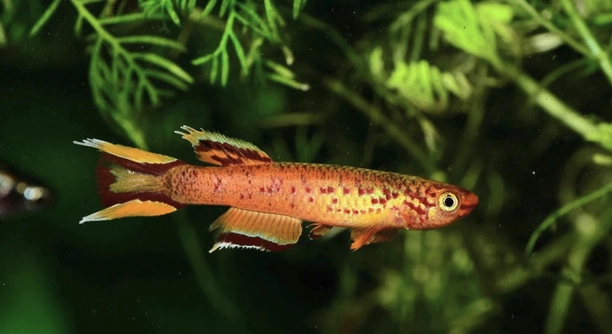
Are your killis showing signs of poor lighting in their tank? Many fish owners struggle with creating the right environment, which can affect the health and behavior of their killis. Lighting is a key factor for their well-being.
Lighting problems in killis are commonly caused by inadequate intensity, improper duration, or the wrong type of light. Insufficient or excessive lighting can lead to stress, poor coloration, and disrupted breeding behavior, impacting their overall health and lifespan.
Recognizing and correcting these lighting issues will help your killis thrive in their habitat. This article outlines seven frequent lighting problems and how to fix them effectively.
Insufficient Light Intensity
Killis need adequate light intensity to maintain their natural behaviors and vibrant colors. When the light is too weak, they may become less active and lose their bright hues. This can also affect their feeding habits, making them less eager to eat. Over time, weak lighting may stress the fish and harm their immune systems. The plants in the tank, if any, will also suffer under low light, which reduces oxygen levels and water quality. It is important to provide a light source strong enough to reach all corners of the tank but not so intense that it causes discomfort. Using an LED or fluorescent light designed for freshwater aquariums is usually best. Adjusting the position and brightness will help balance the needs of the fish and plants. Regularly monitoring the light can prevent problems before they arise and keep your killis healthy.
Low light reduces killis’ activity and colors, which can affect their health and overall tank environment.
Proper lighting improves fish well-being and supports plants, creating a balanced ecosystem. Consistent monitoring helps maintain the right conditions.
Excessive Light Duration
Too much light can be harmful to killis, causing stress and disrupting their natural rhythms. Killis are used to a cycle of day and night, so continuous or overly long lighting periods confuse their internal clocks. Extended exposure can lead to increased algae growth, which can reduce oxygen levels and create poor water conditions. Algae buildup also makes the tank look dirty and can block light from reaching plants. To prevent these issues, it’s best to limit lighting to 8–10 hours per day. Using a timer helps maintain a consistent schedule without the need for daily manual adjustments. Reducing light duration can improve fish behavior, reduce stress, and keep algae in check. Adjusting the light cycle to mimic natural day and night conditions supports the overall health of your killis and keeps their environment stable and comfortable.
Wrong Light Spectrum
Using the wrong light spectrum can affect killis’ health and behavior. They thrive under lighting that mimics natural daylight, which supports their coloration and activity.
The spectrum of light influences how killis perceive their environment. Lights that are too cool or too warm can stress the fish and diminish their colors. Daylight-spectrum bulbs, usually between 5000K and 7000K, provide a balanced range of colors that help simulate natural conditions. This range supports plant growth and enhances fish appearance. Avoid lights with strong blue or red tones, which can confuse the fish and lead to unnatural behavior. Correct spectrum lighting improves comfort, making your killis more active and vibrant.
Plants in the tank also benefit from the right spectrum, as it supports photosynthesis and oxygen production. When plants thrive, the entire tank ecosystem stays balanced, improving water quality. Adjusting the spectrum to suit both fish and plants creates a healthy, visually appealing environment.
Flickering or Unstable Lighting
Flickering lights can disturb killis and increase stress levels. Consistent, stable lighting is essential for their comfort and well-being.
Unstable lighting, such as flickering from faulty bulbs or loose connections, can startle killis and disrupt their normal patterns. This can lead to anxiety, hiding, and reduced feeding. Over time, chronic stress from flickering may weaken their immune system and increase vulnerability to disease. Ensuring all lighting equipment is well-maintained, secure, and functioning properly prevents this issue. Replace flickering bulbs promptly and check wiring regularly. Using reliable fixtures and quality bulbs reduces the chance of light instability. Stable lighting helps maintain a calm environment where killis can thrive and display their natural behavior without unnecessary stress.
Inconsistent Light Schedule
Inconsistent lighting schedules confuse killis and disrupt their natural behavior. A regular day-night cycle helps them maintain normal activity and rest periods.
Changing light times or leaving the light on overnight can cause stress. Keeping a consistent schedule using a timer creates a stable environment that supports their health and well-being.
Light Causing Overheating
Some lighting systems produce heat that can raise the tank temperature beyond safe levels. Killis prefer stable, moderate temperatures for comfort and health.
Excess heat from lighting can stress fish, reduce oxygen levels, and encourage harmful algae growth. Using cool LED lights or positioning lights away from the tank surface helps control heat buildup and protects your killis.
Shadows and Dark Spots
Shadows or dark areas in the tank limit killis’ movement and can cause stress. They need evenly distributed light to feel safe and active.
FAQ
What type of light is best for killis?
Killis do best under full-spectrum lighting that mimics natural daylight, typically between 5000K and 7000K. This range supports their colors and natural behaviors while also benefiting live plants. LED or fluorescent aquarium lights designed for freshwater tanks are good choices because they provide even, consistent light without generating excessive heat.
How long should the lights be on each day?
The ideal light duration for killis is about 8 to 10 hours daily. This timing mimics their natural day-night cycle, helping maintain their internal rhythms. Using a timer ensures the lights turn on and off at the same time every day, which reduces stress and encourages healthy activity and feeding patterns.
Can too much light harm killis?
Yes, excessive lighting can cause stress and encourage unwanted algae growth in the tank. Too much light disrupts the natural day-night cycle, leading to behavioral changes and potential health issues. Keeping light duration within recommended limits helps maintain a balanced environment for the fish and plants.
What should I do if my killis seem stressed under the current lighting?
If your killis show signs of stress, try adjusting the light intensity and duration. Lower the brightness if it seems too harsh and reduce the hours the light is on. Check for flickering or unstable lighting, which can cause anxiety. Providing shaded areas or plants gives fish places to hide and feel secure.
Why is the light spectrum important for killis?
The light spectrum affects how killis perceive their environment and impacts their coloration and behavior. Natural daylight spectrum (around 5000K to 7000K) supports healthy biological functions and enhances the colors of the fish. Incorrect light colors, like too much blue or red, can confuse and stress them.
How do I prevent algae growth caused by lighting?
Control light duration to 8–10 hours per day, and avoid placing the tank in direct sunlight. Using a timer helps maintain consistent light cycles. Regular water changes and live plants can also compete with algae for nutrients, reducing its growth. If algae still becomes a problem, reduce lighting intensity or duration further.
Is it necessary to have plants in a killis tank for proper lighting?
Plants are not strictly necessary but are highly beneficial. They use light for photosynthesis, which produces oxygen and improves water quality. Healthy plants can help reduce algae and provide natural hiding spots, making killis feel more secure and comfortable. Proper lighting supports both fish and plant health.
What signs show that lighting is inadequate for killis?
Signs include dull or faded colors, reduced activity, hiding behavior, and poor feeding response. If plants look unhealthy or algae overgrows, lighting may be off. Monitoring fish behavior and tank conditions regularly helps catch lighting issues early before they affect fish health.
Can I use a regular household light bulb for my killis tank?
Regular household bulbs are not recommended because they don’t provide the right spectrum or intensity. They may produce too much heat or flicker, which stresses fish. Aquarium-specific lights ensure stable, appropriate light quality without harming the tank’s environment.
How often should I replace aquarium lighting?
Light bulbs or tubes should be replaced every 6 to 12 months depending on the type and manufacturer’s guidelines. Over time, lights lose intensity and shift spectrum, reducing their effectiveness. Regular replacement maintains the best conditions for your killis and plants.
What role does lighting play in killis breeding?
Proper lighting encourages natural behaviors necessary for breeding, such as courtship and spawning. Stable light cycles signal day and night, helping fish regulate hormone levels. Insufficient or inconsistent lighting can disrupt these processes, reducing breeding success.
Can lighting affect water temperature in the killis tank?
Yes, some types of lighting produce heat that raises the tank temperature. Killis prefer stable temperatures between 22°C and 26°C (72°F to 79°F). Using cool LED lights or positioning lights away from the tank surface can prevent overheating and keep the environment safe.
Is it okay to leave the lights off for a few days?
While killis need a regular light cycle, missing a day or two of light usually isn’t harmful if it’s occasional. However, prolonged darkness can stress fish and disrupt their behavior. Maintaining a consistent schedule is best for their long-term health.
How do I create shaded areas in the tank?
Adding live plants, decorations, or floating plants provides natural shade and hiding spots. This helps killis feel secure and reduces stress caused by constant exposure to bright light. Shaded areas also create a more natural environment similar to their habitat.
What’s the best way to test if my lighting is suitable?
Observe your killis daily for signs of stress or changes in behavior. Check plant health and algae growth. Use a light meter or aquarium test kit to measure intensity and spectrum if available. Adjust based on observations to find the right balance for your tank.
Lighting plays a vital role in creating a healthy and comfortable environment for killis. Proper lighting supports their natural behaviors, enhances their colors, and helps maintain a stable ecosystem within the tank. It is important to consider the intensity, duration, and spectrum of the light to meet the needs of both the fish and any live plants. Using appropriate lighting can prevent many common problems such as stress, poor coloration, and algae overgrowth. Ensuring the lighting is consistent and properly maintained helps killis thrive and live longer in captivity.
Many lighting issues stem from using the wrong type of light or not controlling how long the lights are on. Killis benefit from lighting that mimics natural daylight with a balanced spectrum between 5000K and 7000K. Overexposure or insufficient lighting can cause behavioral changes and health problems. Using timers to maintain a regular light cycle is an effective way to prevent stress caused by inconsistent lighting schedules. Regularly checking for flickering or heat buildup also protects the fish and maintains ideal tank conditions.
Taking time to adjust lighting to your killis’ needs pays off in better fish health and a more attractive aquarium. Small changes, like choosing the right bulb or controlling the light schedule, can make a big difference. Providing shaded areas and ensuring even light distribution helps your killis feel safe and encourages natural behavior. Overall, understanding and managing lighting carefully is one of the most important steps in caring for killis successfully.

Hello,
If you enjoy the content that we create, please consider saying a "Thank You!" by leaving a tip.
Every little bit helps us continue crafting quality advice that supports the health, happiness, and well-being of pets around the world, for pets of all shapes, sizes, and species.
We really appreciate the kindness and support that you show us!