
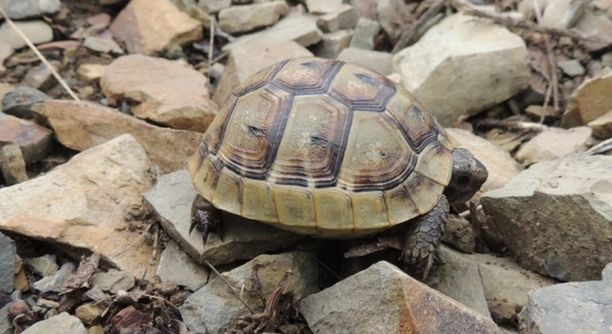
Proper lighting is essential for maintaining a healthy environment in your Russian tortoise tank. Inadequate lighting can lead to health issues, affecting their growth and behavior. Understanding the common lighting problems will help you keep your pet thriving.
The main lighting issues that arise in Russian tortoise tanks are incorrect temperature, insufficient UVB exposure, improper light duration, and poor light placement. These issues can impact their activity, shell health, and overall well-being.
With the right adjustments, you can fix these common lighting problems and ensure your Russian tortoise stays happy and healthy. Let’s explore these lighting concerns in more detail.
Incorrect Temperature
A common issue with lighting in Russian tortoise tanks is setting the wrong temperature. Tortoises need a temperature gradient to regulate their body heat, with a warm basking area and cooler areas. If the temperature is too low, they may become sluggish or stop eating. On the other hand, excessive heat can cause them stress and dehydration. A temperature range of 85-95°F for the basking spot and 70-80°F for the cooler side should be maintained. It’s essential to use reliable thermometers to check both areas regularly to make sure they are within the proper range.
A good heat source like a basking lamp helps create this temperature gradient. Without it, your tortoise may face difficulty in digestion and overall health.
Adjusting the light’s position or choosing a different bulb can help you achieve the right warmth. Keep in mind that the basking light should be placed around 8-12 inches above your tortoise to provide the correct intensity. Don’t forget to monitor the temperature to ensure it remains stable and within the ideal range.
Insufficient UVB Exposure
UVB light is essential for Russian tortoises as it helps them process calcium and avoid metabolic bone disease. Without enough UVB exposure, their bones may weaken over time. Many people overlook this aspect of lighting, but it is crucial for their health. UVB bulbs should be replaced every 6 to 12 months, as their effectiveness decreases over time.
The right UVB bulb should cover the basking area, and it should be positioned properly. The bulb should be within 6-12 inches of the tortoise’s basking spot to provide adequate exposure. Natural sunlight can also be a good option but requires careful monitoring to ensure the right duration and intensity.
If your tortoise seems to have trouble walking or has soft shells, it might be a sign of insufficient UVB light. Ensure you’re using a bulb specifically designed for reptiles, as regular household bulbs do not emit the UVB rays they need.
Improper Light Duration
Russian tortoises need a consistent day-night cycle to stay healthy. Incorrect light duration can confuse their natural rhythm, affecting their eating habits, digestion, and sleep cycles. The tank should have around 12-14 hours of light during the day, followed by 10-12 hours of darkness at night.
Setting a timer for the lights ensures they get the proper amount of light each day, even if you forget. Too much light can lead to stress, while too little light can disrupt their natural activities. Regularly adjusting the timer during the seasons is also important to mimic the changing daylight hours naturally.
While it might seem like a small thing, this simple adjustment can make a big difference in your tortoise’s well-being. Avoid leaving the light on for too long, and remember that they need time to rest without artificial lighting.
Poor Light Placement
The placement of the lighting in the tank plays a significant role in ensuring your Russian tortoise’s comfort and health. If the light is too far away, it may not provide enough warmth or UVB exposure. Conversely, placing it too close can make the basking spot uncomfortably hot, leading to stress or burns.
The basking light should be positioned over the designated basking spot, ensuring your tortoise can enjoy a comfortable heat source. The UVB bulb should be placed similarly, making sure it covers a sufficient area for your pet to absorb the rays.
Be mindful of the distance between the light and the tortoise. If the light is placed too far, it will lose its intensity, making it ineffective. Conversely, placing it too close can cause overheating. Regularly adjust the distance to find the perfect spot for the best results.
Inadequate Lighting for Tank Size
The size of your tortoise tank directly impacts how much lighting is needed. A small tank may not need as many light sources, but a larger one requires more powerful or additional bulbs to ensure the entire space gets adequate heat and UVB exposure.
In smaller tanks, a single bulb may suffice, but in larger setups, multiple light sources will be needed to cover the entire tank. Consider the tank’s dimensions when choosing your lighting equipment. The larger the tank, the more spread out the light needs to be, requiring either more fixtures or higher wattage.
With a larger tank, you’ll need to ensure that the tortoise has access to both a warm basking area and a cooler zone. Light placement in these tanks should be strategic to ensure no area is too dim or too hot, providing a comfortable gradient across the tank.
Dimming or Flickering Lights
Dimming or flickering lights can be a sign that your bulbs are on their way out. If your lighting isn’t working at full strength, it can lead to insufficient heat and UVB exposure, causing your tortoise’s health to suffer.
When lights start to flicker, it’s time to replace the bulb. Consistent flickering often means that the bulb is either malfunctioning or nearing the end of its life. Even slight dimming can affect the temperature and UVB levels your tortoise needs to stay healthy.
Don’t wait for the light to go out completely. Replace flickering bulbs promptly to avoid causing unnecessary stress or health issues. Always check the manufacturer’s suggested lifespan of bulbs and replace them on time to keep the lighting consistent for your tortoise.
Overheating the Tank
If your tank becomes too hot, it can create an uncomfortable environment for your tortoise. Overheating may occur if your basking light is too strong or positioned too close. A consistent temperature should be maintained, but overheating can cause dehydration or stress.
Check the temperature regularly using reliable thermometers placed at different points in the tank. If the basking area is too hot, try adjusting the light’s height or using a lower wattage bulb. Overheating can affect your tortoise’s behavior and health, so it’s important to monitor and adjust as needed.
Make sure to always have a cooler area in the tank, so your tortoise has a place to retreat if it gets too hot. Proper heat balance is vital for keeping your pet healthy and active.
Lighting Setup for Day and Night
Your tortoise needs a clear distinction between day and night. Constant exposure to light or not enough can cause stress and disrupt its natural sleep cycle.
Set up a timer to regulate light duration, ensuring it switches on and off at appropriate times. A consistent light schedule mimics natural conditions, which helps your tortoise rest properly. Too much light can interfere with sleep, while too little can leave your tortoise lethargic.
Ensure the timer is working consistently to provide a stable environment for your tortoise. Proper lighting setup will improve its overall health and well-being.
Using the Right Type of Bulb
The right type of bulb matters more than just brightness. Tortoises require specific UVB bulbs to help them metabolize calcium and maintain strong shells.
UVB bulbs should be chosen according to your tank size and tortoise species. Look for bulbs designed for reptiles, as standard light bulbs won’t provide the necessary UV rays. UVB lighting should cover the basking area and be positioned correctly to ensure your tortoise can absorb it.
Always verify the UVB output before purchasing and replace bulbs every 6-12 months for optimal health. Without proper UVB, your tortoise’s health may deteriorate over time.
FAQ
What is the best type of light for a Russian tortoise tank?
For a Russian tortoise, a combination of UVB and heat is essential. You’ll need a UVB bulb, specifically designed for reptiles, to help your tortoise metabolize calcium and keep its bones healthy. Additionally, a basking light is necessary to provide warmth for digestion and activity. Make sure the UVB bulb covers the basking area and is within the proper distance from the tortoise. You can use a mercury vapor bulb, which provides both heat and UVB rays, but it needs to be placed at the correct distance to prevent overheating.
How far should the UVB light be from my tortoise?
The UVB light should be placed between 6 to 12 inches from the tortoise’s basking area. Too far away, and your tortoise won’t get enough exposure to UVB. Too close, and it might cause burns. Be sure to follow the manufacturer’s guidelines for the bulb you use and adjust its position accordingly. Remember to replace the bulb every 6 to 12 months, as UVB output degrades over time.
Can I use regular household lights for my tortoise tank?
No, regular household lights are not sufficient for your tortoise. They do not emit the necessary UVB rays that reptiles need for calcium absorption. You should only use UVB-specific bulbs designed for reptiles. Regular bulbs may provide light, but they won’t offer the benefits your tortoise requires. Be sure to invest in the right type of lighting to support your pet’s health.
How long should the lights be on for my Russian tortoise?
Your Russian tortoise needs around 12 to 14 hours of light each day to maintain a healthy day-night cycle. At night, the lights should be turned off to give your tortoise the rest it needs. A timer can be helpful to ensure the light turns on and off at the same time every day, creating a consistent schedule. This mimics the natural cycle of day and night, helping to regulate your tortoise’s behavior and health.
Can I leave my Russian tortoise’s light on all day and night?
No, your tortoise needs a natural day and night cycle to stay healthy. Keeping the light on continuously will disrupt its sleep cycle and may lead to stress or health issues. The lights should be turned off at night to provide your tortoise with a proper resting period. A timer is a simple and effective way to regulate the lighting schedule.
What temperature should my Russian tortoise’s tank be?
The temperature in your Russian tortoise’s tank should have a gradient. The basking spot should be around 85 to 95°F, while the cooler side of the tank should range between 70 to 80°F. Having this gradient allows your tortoise to move between warmer and cooler areas as needed. Use reliable thermometers to check the temperature regularly, as a stable environment is important for your tortoise’s health.
Can I use a heat mat under the tank for my tortoise?
Heat mats are not ideal for Russian tortoises, as they don’t provide the necessary basking warmth in the way a basking light does. While a heat mat can warm the substrate, it may not create the appropriate gradient needed for your tortoise to regulate its body temperature effectively. It’s better to use a basking lamp or a spot bulb that can be positioned above the tank to create the correct warmth.
How do I know if my Russian tortoise is getting enough UVB?
If your Russian tortoise is not getting enough UVB, it may show signs like poor shell growth, soft shells, or lethargy. UVB exposure is crucial for calcium metabolism, and without it, your tortoise may develop metabolic bone disease. Regularly check the UVB bulb’s effectiveness and replace it as necessary. It’s also a good idea to monitor your tortoise for any signs of health issues and adjust the lighting setup if needed.
What happens if I don’t replace the UVB bulb on time?
If you don’t replace the UVB bulb in time, it will lose its ability to emit the necessary UVB rays that your tortoise needs. This can result in calcium deficiency, leading to health problems like weak bones, soft shells, and other metabolic issues. To prevent this, make sure to replace your UVB bulb every 6 to 12 months, even if it still emits light. Always check the bulb’s recommended lifespan.
Can my Russian tortoise get UVB from natural sunlight?
Yes, natural sunlight can provide UVB rays, but it must be done carefully. If you place your tortoise outside for direct sunlight, make sure they are not exposed for too long. Also, avoid glass or plastic enclosures, as they block UVB rays. However, it’s easier to control the light in an indoor tank with a UVB bulb, ensuring your tortoise gets consistent exposure.
Is it okay to use one bulb for both heat and UVB?
Yes, it is okay to use a combined heat and UVB bulb, such as a mercury vapor bulb, which provides both UVB radiation and heat. However, make sure it is positioned correctly to avoid overheating the tank. Always follow the manufacturer’s instructions for bulb placement and distance to keep the tank within the proper temperature and UVB range for your tortoise.
How can I tell if my tortoise is too hot?
If your tortoise is too hot, it may show signs of stress, such as hiding, excessive drinking, or trying to move away from the heat source. In extreme cases, it might become lethargic or show signs of dehydration. Be sure to monitor the tank temperature regularly and adjust the basking light if needed. A proper temperature gradient allows your tortoise to move to a cooler area when it’s too warm.
Lighting plays a crucial role in maintaining the health of your Russian tortoise. Providing the right combination of heat and UVB light ensures that your pet has a balanced environment where it can thrive. Without the correct lighting, your tortoise may face health problems, from poor shell growth to metabolic bone disease. Understanding the common issues with lighting, such as incorrect temperature, insufficient UVB exposure, and improper light duration, is key to avoiding these problems. By regularly checking your setup and making necessary adjustments, you can create a comfortable and safe environment for your tortoise.
When setting up lighting for your tortoise, make sure to choose the right bulbs, place them at the correct distance, and maintain a proper day-night cycle. A reliable timer can help regulate light duration, ensuring your tortoise gets the right amount of exposure each day. Overheating or dimming lights can create stress and health issues, so always monitor the temperature and replace bulbs as needed. It’s also essential to consider the size of the tank and ensure the lighting covers the entire area, providing warmth and UVB exposure to all parts of the tank.
By keeping an eye on these factors, you can prevent common lighting issues and ensure your Russian tortoise remains healthy. Regular maintenance of the lighting setup is just as important as feeding or cleaning the tank. It’s not just about providing light; it’s about providing the right light for your tortoise’s needs. With the proper lighting, your tortoise can stay active, healthy, and happy for years to come.

Hello,
If you enjoy the content that we create, please consider saying a "Thank You!" by leaving a tip.
Every little bit helps us continue crafting quality advice that supports the health, happiness, and well-being of pets around the world, for pets of all shapes, sizes, and species.
We really appreciate the kindness and support that you show us!