
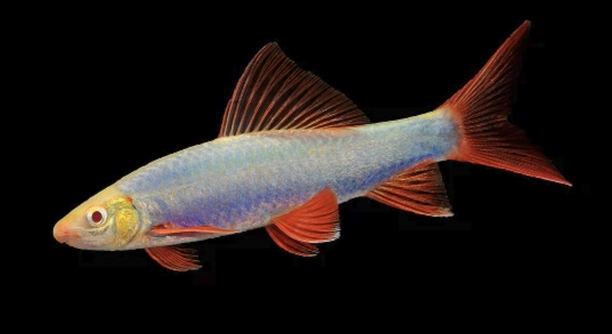
Are your rainbow sharks showing signs of stress or illness in your aquarium? These colorful fish are popular, but they can face common problems that affect their health and behavior. Knowing what to watch for helps keep them happy.
Rainbow sharks often suffer from issues like fin rot, poor water quality, aggression, and nutritional deficiencies. Proper tank maintenance, balanced diet, and understanding their social needs are essential to preventing and solving these problems effectively.
Recognizing and addressing these concerns early will help maintain a healthy environment for your rainbow sharks to thrive. Let’s explore the common issues and practical solutions for their care.
Poor Water Quality
Maintaining clean water is crucial for rainbow sharks. These fish are sensitive to toxins like ammonia, nitrites, and nitrates. If the water quality drops, they can become stressed or sick. Regular water changes and testing keep the tank safe. Avoid overcrowding, as too many fish increase waste. A good filter helps remove harmful substances and keeps water clear. If water parameters are off, you might see your rainbow shark acting sluggish or hiding more than usual. Keeping the environment stable prevents many health problems and helps your fish stay active and colorful.
Water tests should be done weekly to ensure all levels are safe. Change about 25% of the water regularly to maintain cleanliness.
Sometimes water problems come from overfeeding or dead plants and fish. Removing uneaten food and cleaning debris promptly reduces waste buildup. Proper filtration and routine maintenance create a healthy habitat that supports your rainbow shark’s well-being over time.
Fin Rot
Fin rot is a common disease caused by bacteria when water conditions are poor. It starts with small tears or discoloration on the fins. If untreated, the fins may shrink or look ragged. The best way to prevent fin rot is by keeping water clean and stable. Avoid sharp decorations that can damage fins. Feeding a balanced diet also helps boost the fish’s immune system. If you notice fin rot, isolate the affected fish and improve water quality immediately.
Fin rot often indicates an underlying water problem that needs fixing.
Treatment usually involves antibiotics and better tank care. Remove stress factors and monitor water parameters closely. In severe cases, medications prescribed for bacterial infections will help. It is important to act quickly to stop the disease from spreading. Healing takes time, so be patient and maintain a clean environment. Proper care prevents fin rot from coming back and ensures your rainbow shark’s fins stay healthy and vibrant.
Aggression and Territorial Behavior
Rainbow sharks can be territorial, especially in small tanks. Aggression often happens when they feel crowded or threatened. Providing enough space and hiding spots reduces fights.
Keeping at least one rainbow shark per tank is best, with enough room for swimming. Avoid mixing with other aggressive fish. If aggression starts, rearranging decorations can break territories and calm fish. Providing plants and caves helps fish feel safe. Sometimes, aggressive behavior lessens as fish get used to their environment.
If problems persist, consider a larger tank or different species. Proper tank mates and environment management are key to peaceful aquarium life.
Poor Diet and Nutrition
A poor diet weakens rainbow sharks, making them more prone to disease. They need a balanced diet with protein, vegetables, and occasional treats. Feeding mostly flakes or pellets alone isn’t enough. Variety is important for their health and color.
Including live or frozen foods like bloodworms and brine shrimp boosts nutrition. Vegetables such as zucchini or spinach can be added for fiber. Feed small amounts twice daily and avoid overfeeding to prevent water pollution. Proper feeding supports growth, energy, and immune defense.
If you notice your fish losing color or acting lethargic, diet might be the cause. Improving nutrition often improves overall health quickly. Consistency and variety are essential for a strong, vibrant rainbow shark.
Stress from Improper Tank Setup
Rainbow sharks need space to swim and hide. A small tank or lack of decorations causes stress. Providing a tank of at least 30 gallons helps them feel comfortable.
Adding plants, rocks, and caves gives them places to explore and retreat. This reduces aggression and promotes natural behavior.
Disease and Parasites
Rainbow sharks can catch diseases like ich or parasites if the tank is not clean. Quarantining new fish and maintaining good water quality helps prevent infections. Early treatment with medication is important to stop spread and heal your fish quickly.
Incompatible Tank Mates
Not all fish get along with rainbow sharks. Aggressive or very small fish can cause trouble. Choose peaceful, medium-sized species that won’t compete or bully your sharks. Proper tank mates create a calmer, safer environment.
Lack of Proper Lighting
Rainbow sharks do best with moderate lighting. Too bright or too dim light can affect their activity and color. Adjust lighting to mimic natural conditions, giving periods of light and darkness. This balance supports healthy behavior and reduces stress.
What are the signs that my rainbow shark is stressed?
Stress in rainbow sharks can show in several ways. You might notice them hiding more than usual, swimming erratically, or losing their vibrant color. They may also refuse to eat or become more aggressive toward other fish. Stress often results from poor water quality, overcrowding, or sudden changes in the tank environment.
How often should I change the water in my rainbow shark’s tank?
It is best to change about 20-30% of the tank water every week. This keeps toxins like ammonia and nitrates low and maintains a healthy environment. Regular water changes also help reduce stress and prevent diseases. Always treat tap water to remove chlorine before adding it to the tank.
Can rainbow sharks live with other fish?
Yes, but choosing tank mates carefully is important. Rainbow sharks are semi-aggressive and territorial. Peaceful, medium-sized fish usually work well. Avoid very small fish that may be bullied or very aggressive species that could fight. Provide enough space and hiding spots to reduce conflicts.
What should I feed my rainbow shark?
Rainbow sharks need a varied diet that includes high-quality flakes or pellets, live or frozen foods like bloodworms or brine shrimp, and some vegetable matter such as blanched spinach or zucchini. Feeding small portions twice a day is ideal. Avoid overfeeding to keep water clean and fish healthy.
How can I prevent fin rot in my rainbow shark?
Maintaining clean water is the best prevention. Perform regular water changes, avoid overcrowding, and remove uneaten food promptly. If fin rot appears, improve water quality immediately and consider using antibacterial treatments. Providing a stress-free environment strengthens your fish’s immune system.
What tank size is suitable for a rainbow shark?
A minimum of 30 gallons is recommended for one rainbow shark. These fish are active swimmers and need room to establish territories. Larger tanks reduce aggression and provide better water quality stability. If keeping multiple rainbow sharks, increase the tank size accordingly.
Why is my rainbow shark losing color?
Loss of color often signals stress, poor water quality, or nutritional deficiencies. Check your water parameters and ensure regular maintenance. Improve diet variety with fresh, nutritious foods. Reducing stress factors like aggression or overcrowding also helps restore vibrant colors.
How do I treat parasites on my rainbow shark?
If you notice white spots, scratching, or unusual behavior, parasites may be present. Quarantine the affected fish and treat with recommended medications, such as those for ich or external parasites. Maintain good water conditions to support healing and prevent reinfection.
Can rainbow sharks live in a community tank?
Yes, but it depends on the other fish species. Choose calm, medium-sized fish that won’t provoke aggression. Avoid overcrowding and provide plenty of hiding places. Monitor behavior regularly to ensure peaceful coexistence. Adjust tank setup if conflicts arise.
How long do rainbow sharks typically live?
With proper care, rainbow sharks live around 5 to 8 years. Good water quality, a balanced diet, and a stress-free environment contribute to their longevity. Early detection and treatment of health issues also help your fish live a full life.
Rainbow sharks are beautiful and interesting fish that can make a great addition to many home aquariums. However, they do require specific care to stay healthy and happy. Many of the common problems they face, such as poor water quality, aggression, and fin rot, can be prevented with regular maintenance and proper tank setup. Understanding their needs, like space to swim, a balanced diet, and peaceful tank mates, helps create a comfortable environment for them. Taking the time to monitor their behavior and tank conditions will make a big difference in their well-being.
It is important to remember that rainbow sharks are active and territorial fish. Providing a tank that is large enough and has plenty of hiding spots will reduce stress and fighting. Maintaining clean water by doing weekly water changes and testing is also essential to prevent disease. Feeding them a varied diet with both protein and vegetables supports their immune system and keeps their colors bright. When problems do arise, acting quickly by improving tank conditions and treating illnesses can help your fish recover faster.
Keeping rainbow sharks healthy takes some effort, but it is rewarding to see them thrive. By paying attention to their environment, diet, and behavior, you can avoid many common issues. Whether you are new to keeping these fish or have experience, learning about their care needs improves their quality of life. With proper care, your rainbow shark can be a lively and colorful part of your aquarium for many years.

Hello,
If you enjoy the content that we create, please consider saying a "Thank You!" by leaving a tip.
Every little bit helps us continue crafting quality advice that supports the health, happiness, and well-being of pets around the world, for pets of all shapes, sizes, and species.
We really appreciate the kindness and support that you show us!