
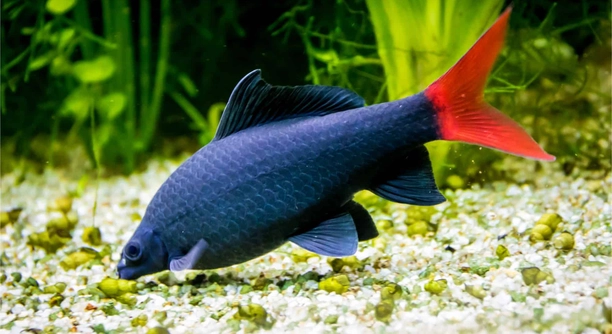
Rainbow sharks are popular aquarium fish known for their striking colors and active behavior. They add life to community tanks but can sometimes develop common problems. Understanding these issues helps keep them healthy and vibrant in home aquariums.
The most frequent issues with rainbow sharks include aggression, poor water quality, improper diet, stress, disease, inadequate tank size, and lack of hiding places. Addressing each problem requires specific actions to maintain the fish’s health and well-being.
Knowing how to identify and fix these issues will improve your rainbow sharks’ environment and promote their long-term happiness and vitality.
Aggression Among Rainbow Sharks
Rainbow sharks can become aggressive, especially when kept with other territorial fish. They may chase or nip at tank mates, causing stress and injury. Aggression often increases in overcrowded tanks or when there are not enough hiding spots. Maintaining sufficient space and providing hiding places can reduce conflicts. Feeding your rainbow sharks regularly also helps minimize aggressive behavior by keeping them occupied and less competitive. Monitoring their interactions closely is essential, especially in community tanks.
Aggression is usually a sign that the tank conditions need adjustment.
Providing at least 30 gallons per fish and including decorations like caves or plants creates a better environment. Separating aggressive individuals might be necessary in severe cases. Keeping aggression in check protects all fish in the aquarium and promotes a calmer atmosphere.
Poor Water Quality
Water quality greatly affects the health of rainbow sharks. Ammonia, nitrites, and nitrates must be regularly tested and kept within safe limits. Uneaten food and waste increase toxins quickly, leading to illness. Changing 20-30% of the water weekly helps maintain good conditions. A proper filtration system is crucial for keeping water clean and oxygenated. Consistency in water parameters reduces stress and disease risks. Avoid sudden changes in temperature or pH to prevent shock. Clean gravel and decorations also prevent buildup of harmful substances. Regular maintenance supports a stable environment where rainbow sharks can thrive without health issues or behavioral problems caused by poor water quality.
Improper Diet
Rainbow sharks need a balanced diet with both protein and plant matter. Feeding only flakes or pellets can cause nutritional deficiencies. Variety is important for their health and vibrant colors.
Including live or frozen foods like bloodworms and brine shrimp ensures they get enough protein. Supplementing with algae wafers or blanched vegetables adds fiber and nutrients. Overfeeding should be avoided to prevent obesity and poor water quality. Feeding small amounts two to three times daily works best. Observing how much they eat helps avoid leftover food that can decay and harm the tank. A well-rounded diet supports their immune system and energy levels, reducing the risk of illness and lethargy.
Proper nutrition keeps rainbow sharks active and colorful, enhancing their natural beauty in your aquarium.
Stress in Rainbow Sharks
Stress in rainbow sharks results from sudden changes or poor tank conditions. It weakens their immune system, making them prone to disease. Common causes include overcrowding, aggressive tank mates, and poor water quality. Maintaining stable water parameters and a peaceful environment reduces stress. Providing plenty of hiding spots helps them feel secure. Handling should be minimal, as frequent disturbances increase stress levels. Observing their behavior for signs like erratic swimming or loss of appetite allows early intervention. Reducing noise and vibrations around the tank also creates a calmer atmosphere. Managing stress is essential for preventing illness and promoting overall well-being.
Disease and Infection
Rainbow sharks are vulnerable to common fish diseases such as ich and fin rot. Poor water quality and stress often trigger these illnesses. Early detection and treatment are vital to prevent severe health issues. Quarantining new fish helps avoid spreading infections.
Maintaining a clean tank and stable environment supports recovery and disease prevention.
Inadequate Tank Size
A tank smaller than 30 gallons restricts rainbow sharks’ movement and increases aggression. They require ample space to swim and establish territories. Larger tanks reduce stress and allow for proper filtration. Providing at least 40 gallons per fish is recommended for healthy growth and behavior.
Lack of Hiding Places
Rainbow sharks feel safer with enough hiding spots. Rocks, plants, and decorations offer shelter from stress and aggression. Without cover, they may become nervous or hide less, impacting their health and activity.
How often should I feed my rainbow sharks?
Feeding rainbow sharks two to three times a day with small portions is best. This schedule provides consistent nutrition without overfeeding, which can harm water quality. Watching how much they consume helps adjust the amount to prevent leftover food that could pollute the tank.
Can rainbow sharks live peacefully with other fish?
Rainbow sharks can coexist with peaceful species in a spacious tank with plenty of hiding spots. Avoid housing them with aggressive or slow-moving fish, as they may chase or stress others. Proper tank size and decoration reduce territorial disputes.
What tank size is ideal for rainbow sharks?
A minimum of 30 gallons is needed for one rainbow shark. Larger tanks, around 40 gallons or more, are better if keeping multiple fish. This space allows natural swimming behavior and helps reduce aggression.
How do I test and maintain water quality?
Regularly test ammonia, nitrites, nitrates, and pH with aquarium test kits. Perform partial water changes of 20-30% weekly to keep parameters stable. Use a good filtration system and avoid overfeeding to maintain clean water.
What are common signs of illness in rainbow sharks?
Look for symptoms like faded colors, clamped fins, unusual swimming patterns, loss of appetite, or white spots. Early detection allows prompt treatment. Quarantine sick fish to prevent spreading disease.
How can I reduce aggression in my tank?
Provide enough space and hiding places, and avoid overcrowding. Feeding on schedule reduces competition. If aggression continues, consider separating aggressive individuals to protect other fish.
Is live food necessary for their diet?
Live or frozen foods like bloodworms and brine shrimp offer important protein and variety. While not mandatory, they improve nutrition and encourage natural hunting behavior. Supplement with flakes or pellets and plant-based foods for balance.
How often should I clean the tank?
Clean the tank regularly by removing uneaten food and debris daily. Partial water changes weekly maintain water quality. Clean filters monthly but avoid over-cleaning beneficial bacteria.
Can sudden changes in water temperature harm rainbow sharks?
Yes, sudden temperature shifts cause stress and weaken their immune system. Maintain stable temperatures around 74-79°F. Use a reliable heater and monitor temperature daily.
What decorations work best for hiding spots?
Use smooth rocks, caves, and live or artificial plants. Avoid sharp objects that could injure the fish. Multiple hiding spots reduce stress and aggression by giving fish safe retreats.
How long do rainbow sharks typically live?
With proper care, rainbow sharks can live 5 to 8 years. Good diet, clean water, and a stress-free environment contribute to their longevity.
Should I quarantine new fish before adding them to my tank?
Quarantining new fish for at least two weeks helps prevent introducing diseases. Observe for illness and treat if needed before adding them to the main tank.
What causes fin rot, and how do I treat it?
Fin rot often results from poor water conditions or injury. Treat with antibacterial medications and improve water quality. Remove aggressive tank mates that may cause damage.
How much do rainbow sharks grow?
Rainbow sharks typically grow up to 6 inches. Providing enough tank space supports healthy growth and reduces territorial behavior.
Taking care of rainbow sharks requires attention to several important factors. These fish are attractive and active, but they have specific needs to stay healthy and happy. Providing a balanced diet, maintaining good water quality, and giving them enough space can prevent many common problems. Regular observation helps catch early signs of illness or stress, allowing timely action before issues worsen. Understanding their behavior and environment needs is key to successful care.
Aggression and stress are often connected to the tank setup and social conditions. Rainbow sharks need room to swim and places to hide. Overcrowding or placing them with incompatible fish can cause tension and fighting. Keeping the tank clean and stable reduces stress, which strengthens their immune system. Attention to these details creates a better environment for all tank inhabitants, promoting peace and well-being. By managing these factors carefully, many problems can be avoided or resolved quickly.
Overall, rainbow sharks can be rewarding pets when their needs are met. Taking simple steps like feeding a varied diet, testing water regularly, and providing adequate space can make a big difference. Being patient and consistent with tank maintenance supports their long-term health. Keeping these points in mind will help you enjoy vibrant, lively rainbow sharks in your aquarium. Their beauty and personality are worth the effort it takes to care for them properly.

Hello,
If you enjoy the content that we create, please consider saying a "Thank You!" by leaving a tip.
Every little bit helps us continue crafting quality advice that supports the health, happiness, and well-being of pets around the world, for pets of all shapes, sizes, and species.
We really appreciate the kindness and support that you show us!