
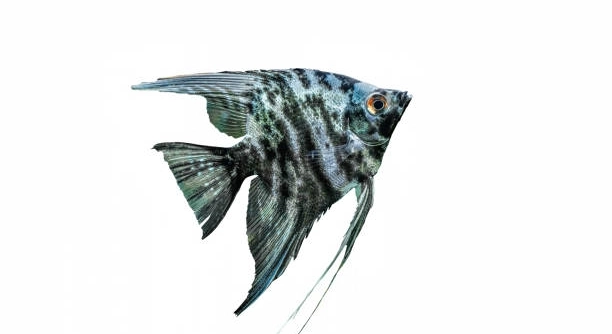
Angelfish are known for their beauty and grace, making them a popular choice among aquarium enthusiasts. However, their delicate gills can be affected by various environmental factors. Understanding these issues is key to keeping them healthy.
The health of angelfish gills can be compromised by poor water quality, high toxins, inadequate oxygen levels, and stress. Keeping a clean tank, ensuring proper filtration, and monitoring water conditions can help prevent damage to their gills.
Knowing how to address these issues can help maintain the health of your angelfish. Keep reading to learn more about the factors that can harm their gills.
Poor Water Quality
Angelfish are highly sensitive to changes in water quality, which can directly impact their gill health. Elevated ammonia, nitrites, or nitrates can cause irritation and inflammation, making it difficult for them to breathe properly. Regular water changes are essential, as well as keeping track of levels to prevent harmful spikes. Filters must be maintained, and the water should be tested frequently to ensure it remains clean. If water quality is neglected, angelfish gills can become stressed, leading to compromised health.
Proper filtration is also necessary to ensure clean and well-oxygenated water. Without proper filtration, toxins can build up and harm the angelfish, causing issues with gill function.
By regularly monitoring water quality and maintaining a consistent cleaning schedule, you can prevent most water-related gill problems. Staying on top of these tasks helps avoid irreversible damage and keeps your angelfish thriving.
High Toxins in the Water
Excessive toxins in the water can harm your angelfish’s gills, causing them to become stressed and weak. Heavy metals, pesticides, and chemicals from cleaning products can seep into the tank and affect their breathing. Proper tank management, such as using safe water conditioners, is crucial to keeping these toxins in check. Frequent water testing and ensuring no harmful substances enter the tank will help protect the fish from toxin-related issues. By maintaining a toxin-free environment, you create healthier conditions for your angelfish to live in.
Lack of Oxygen
Insufficient oxygen levels in the aquarium can lead to gill problems for angelfish. When oxygen is low, angelfish struggle to breathe, which can cause them to become sluggish and weak. Oxygen levels can drop due to overcrowding, poor circulation, or inadequate filtration. Installing an air pump or a sponge filter can improve water movement and ensure proper oxygenation. Regularly checking for any signs of low oxygen—such as gasping at the surface—can help catch the problem before it affects their health. If your angelfish are showing these signs, it’s time to address oxygen levels immediately.
Stress
Stress is a major factor that can harm angelfish gills. Overcrowding, constant disturbances, and aggressive tank mates are common stressors. When angelfish are stressed, their immune systems weaken, making them more susceptible to infections, including those affecting their gills.
To reduce stress, ensure that angelfish have enough space to swim and a peaceful environment. Proper tank decorations, hiding spots, and compatible tank mates can all help keep them calm. Keeping the tank quiet and minimizing sudden movements around it can also reduce stress levels, leading to better overall health for the fish.
By observing your angelfish closely and removing sources of stress, you can help protect their gills from damage. A relaxed environment encourages healthy behavior and strong immune systems, making angelfish less vulnerable to gill problems.
Improper Temperature
Angelfish are sensitive to drastic temperature changes, and water that is too warm or too cold can harm their gills. Temperatures outside their preferred range can cause gill irritation and reduce their ability to absorb oxygen efficiently. Ensure the tank’s water temperature stays within the optimal range of 75–82°F (24–28°C) to promote healthy gill function.
Sudden temperature shifts from improper heater settings or placing the tank in an area with fluctuating temperatures can stress the fish. A stable, consistent temperature is key to maintaining gill health. Investing in a reliable aquarium thermometer and heater can help regulate this. Regular monitoring is necessary to prevent any sudden drops or spikes in temperature, as even brief changes can cause damage to their gills.
Poor Diet
A poor diet can directly affect angelfish gills. If they aren’t getting the proper nutrients, their immune systems weaken, making them more vulnerable to infections and gill damage. A lack of variety in their diet can also contribute to health issues.
Offering a balanced diet, including high-quality pellets, frozen foods, and live foods, ensures angelfish receive all the necessary vitamins and minerals. Supplements like spirulina can help boost their immune systems and maintain healthy gills. Without proper nutrition, angelfish are more likely to experience weakened gills that are susceptible to external damage.
Overcrowding
Overcrowding in an aquarium leads to poor water quality, which directly affects angelfish gills. Too many fish in a small space cause more waste, making it harder to maintain clean, oxygen-rich water. The excess waste also increases the risk of toxins building up. This puts a strain on the fish, leading to stress and potential gill damage.
For optimal health, only keep as many angelfish as the tank can handle. Proper filtration and regular water changes are also essential when stocking your tank. A less crowded environment allows for better water circulation, reduced stress, and ultimately healthier gills.
Tank Maintenance
Regular tank maintenance is essential for maintaining healthy gills in angelfish. Neglecting cleaning routines can lead to harmful bacteria buildup, affecting water quality and increasing the likelihood of gill infections. Regularly check water parameters and clean filters to keep the environment stable.
FAQ
What are the signs of angelfish gill damage?
Signs of gill damage in angelfish include difficulty breathing, gasping for air at the surface, and visible redness or inflammation around the gills. If you notice these symptoms, it’s crucial to check the water quality and temperature immediately. Infected gills may also lead to abnormal swimming patterns, lethargy, or loss of appetite. Prompt action can prevent further damage and help your angelfish recover.
How can I prevent gill problems in my angelfish?
Preventing gill problems starts with maintaining a clean and stable environment. Regular water changes, proper filtration, and monitoring water quality are essential. Make sure your angelfish aren’t stressed by overcrowding, sudden temperature changes, or aggressive tank mates. A balanced diet and appropriate oxygen levels in the tank will also keep their gills healthy.
Can angelfish recover from gill damage?
Yes, angelfish can recover from mild gill damage if the cause is identified and treated early. Improving water quality, reducing stress, and addressing any underlying issues like low oxygen or poor diet can help your angelfish heal. In more severe cases, medications may be necessary, but recovery depends on the extent of the damage.
How often should I check the water quality for my angelfish?
It’s best to test the water quality at least once a week to ensure that ammonia, nitrites, and nitrates are within safe levels. Regular water changes (about 25–30% every 1–2 weeks) are also crucial for maintaining water quality. If you notice any signs of stress in your angelfish, check the water immediately.
What temperature should the tank be for angelfish?
Angelfish thrive in water temperatures between 75–82°F (24–28°C). Consistency is key, so avoid rapid temperature fluctuations, which can stress the fish and damage their gills. Invest in a reliable heater and thermometer to keep the temperature stable.
Can I treat gill infections at home?
Mild gill infections can sometimes be treated at home with salt baths, improved water quality, and reducing stress factors. However, for more serious infections, it’s recommended to consult an aquarium specialist. Over-the-counter treatments and medications may be necessary depending on the severity of the infection.
How can I reduce stress for my angelfish?
To reduce stress, provide hiding spots in the tank and ensure there is enough space for your angelfish to swim freely. Avoid overcrowding and aggressive tank mates, as these factors contribute to stress. Keep the tank environment calm and make any necessary adjustments to water quality, temperature, or food.
Why are my angelfish breathing rapidly?
Rapid breathing can be a sign of low oxygen levels, poor water quality, or gill damage. Ensure the tank has proper aeration and filtration, and check for any toxic substances in the water. If the problem persists, it could indicate a deeper issue, and immediate action is required to address the problem.
How can I improve oxygen levels in my angelfish tank?
To improve oxygen levels, increase water circulation by adding an air pump or sponge filter. Ensure the tank has proper filtration to keep the water moving. Adding live plants can also help produce oxygen, but it’s important to ensure the tank has enough space for oxygen exchange.
Are certain tank mates more likely to cause stress for angelfish?
Yes, some tank mates are more likely to stress angelfish, especially aggressive species. Fish like cichlids, aggressive barbs, or fast-moving species may cause stress or even physical harm to your angelfish. When selecting tank mates, choose peaceful fish that will not compete aggressively for food or territory.
How do I know if my angelfish are being exposed to too many toxins?
Exposure to toxins can cause abnormal behavior, such as erratic swimming, loss of appetite, or difficulty breathing. You may also notice changes in the color of your angelfish or unusual swimming patterns. It’s important to test for ammonia, nitrites, and nitrates regularly to ensure the water remains safe.
Can poor diet affect the gills of angelfish?
Yes, a poor diet can weaken an angelfish’s immune system, making them more susceptible to infections, including those affecting their gills. Feeding your angelfish a varied diet with high-quality pellets, live foods, and occasional supplements ensures they get the nutrients needed to stay healthy.
Is overcrowding a serious problem for angelfish?
Yes, overcrowding can cause poor water quality and stress, both of which negatively impact angelfish health, including gill function. It’s important to avoid overstocking the tank. Give each fish enough space to move around comfortably, and ensure proper filtration and oxygenation to keep the water clean.
How long can angelfish survive with damaged gills?
The survival of angelfish with damaged gills depends on the severity of the damage and the care provided. If gill damage is detected early and treated appropriately, angelfish can recover and continue living a healthy life. However, severe or untreated gill damage may lead to further health complications or death.
What role do water changes play in maintaining healthy gills?
Water changes play a critical role in maintaining healthy gills. Regularly replacing part of the water helps remove toxins and waste products, which can irritate the gills. Fresh, clean water also ensures that oxygen levels remain stable, preventing stress and gill damage. Regular water changes are vital for overall fish health.
How do I treat gill flukes in angelfish?
Gill flukes are parasitic infections that can affect angelfish gills. Treatment typically involves using anti-parasitic medications that are safe for fish. It’s important to isolate the infected angelfish if possible and follow the instructions on the medication carefully. Ensure the water is clean and well-oxygenated during the treatment process.
What kind of filter should I use for my angelfish tank?
A good filter for an angelfish tank should provide both mechanical and biological filtration. A hang-on-back (HOB) filter or canister filter with a flow rate appropriate for your tank size is ideal. Choose a filter that maintains water movement without creating strong currents, as angelfish prefer calm waters.
How do I know if my angelfish are getting enough oxygen?
Signs that your angelfish may not be getting enough oxygen include gasping at the surface or staying near the water’s edge. They may also become lethargic or show signs of distress. Adding an air pump or improving filtration can help ensure adequate oxygen levels in the tank.
Can I use aquarium salt to treat gill problems?
Aquarium salt can sometimes help treat mild gill irritation or stress, but it should be used carefully. Salt baths or adding small amounts to the tank can help reduce stress and improve overall health. However, it is not a cure for severe infections or injuries, and medication may be required.
Final Thoughts
Taking care of angelfish requires attention to detail, especially when it comes to their gills. Healthy gills are essential for proper breathing, and when issues arise, they can lead to bigger problems. Understanding the common causes of gill damage, like poor water quality, stress, or infections, can help you take preventive measures. Regular water changes, proper filtration, and a peaceful tank environment are key to preventing most gill issues.
When gill damage does occur, early intervention is crucial. Symptoms like rapid breathing, lethargy, or inflamed gills shouldn’t be ignored. Testing your water regularly for ammonia, nitrites, and nitrates can help you maintain a healthy environment. Additionally, keeping an eye on your angelfish’s behavior, feeding them a balanced diet, and managing tank mates are also important factors in maintaining their health. If you spot any issues, addressing them promptly can often prevent the problem from worsening.
Remember, while gill problems are common, they can often be prevented with the right care. By following proper tank maintenance and providing a stress-free environment, you’ll reduce the chances of gill damage in your angelfish. If issues arise, don’t hesitate to consult an expert and act quickly to restore your angelfish’s health. With the right attention, your angelfish can thrive and stay healthy for years to come.

Hello,
If you enjoy the content that we create, please consider saying a "Thank You!" by leaving a tip.
Every little bit helps us continue crafting quality advice that supports the health, happiness, and well-being of pets around the world, for pets of all shapes, sizes, and species.
We really appreciate the kindness and support that you show us!