
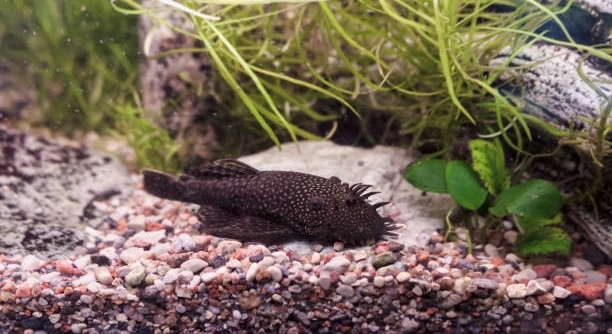
Have you ever noticed odd behavior or marks on your plecostomus and felt unsure if it’s something to worry about?
Plecostomus are prone to several common injuries, including fin damage, skin abrasions, and mouth injuries, often caused by tank conditions, aggressive tank mates, or poor handling. Proper care, timely observation, and appropriate treatments can greatly improve recovery.
From recognizing early signs to learning simple treatment tips, this article will help you care for your pleco more confidently and effectively.
Fin Rot and Fraying
Fin rot is one of the most common issues seen in plecos. It usually starts as a slight discoloration or ragged edge on the fins. Poor water quality, high stress levels, and overcrowded tanks can all lead to this problem. If left untreated, the fin tissue can wear away completely. To prevent this, keep the tank clean and stable. Do weekly water changes, and avoid sudden temperature shifts. If you spot early signs, move the pleco to a quarantine tank and treat with antibacterial medications or aquarium salt. Remove any sharp decorations or aggressive fish that may be nipping at the fins. Improving the diet with high-quality wafers and fresh vegetables also helps with healing. Keep an eye on progress, and avoid overmedicating.
Fin rot can often be reversed with quick action and clean water. The sooner you act, the better the chance your pleco will fully recover.
Consistency is key. Even after the fins start to regrow, continue with clean water, proper diet, and reduced tank stress to keep your pleco healthy and strong.
Skin Abrasions and Wounds
Scratches or cuts can appear on a pleco’s body from rubbing against rough surfaces or sharp objects in the tank.
Plecos like to explore and rest on decorations, driftwood, and substrate. When these items have rough or sharp edges, skin injuries can happen. Skin abrasions are often seen as red streaks, open wounds, or missing patches of slime coat. While minor wounds usually heal on their own with clean water, deeper cuts may lead to infection if not treated. Start by removing the object that caused the injury. Perform partial water changes every few days to maintain high water quality. Use a bacterial treatment designed for freshwater fish, and monitor your pleco’s eating and swimming behavior. Keep the tank lights low during recovery to reduce stress. If other fish are picking at the injury, consider moving your pleco to a quiet, separate tank. Always wash hands before tank maintenance to avoid spreading germs. Healing may take a few days to a couple of weeks.
Mouth Injuries
Mouth injuries often happen when plecos suck on sharp surfaces or try to feed in tight spaces. These wounds can make eating difficult and may get infected if ignored.
Plecos use their mouths to attach to surfaces, which puts them at risk of getting cuts, bruises, or swelling around the mouth area. Uneven or jagged rocks, sharp décor, or even forceful removal during tank maintenance can all lead to injury. If the pleco stops eating or shows visible damage, consider offering soft foods like blanched zucchini or algae wafers. Clean the tank and use a mild antibacterial treatment if needed. Avoid netting your pleco unless necessary and remove risky items from the tank.
Keep the water clean and test parameters regularly. Use smooth driftwood and soft plants in the tank to prevent further harm. If the injury worsens or becomes discolored, isolation and medication may be necessary to avoid secondary infections.
Eye Damage
Eye injuries are less common but can occur from tank fights or bumping into objects. Swelling, cloudiness, or discharge may be signs of damage. Sometimes, these injuries can heal, but they need close attention and a clean environment to recover well.
Plecos with eye injuries may become more reclusive, hide more often, or swim less. Check for signs like a cloudy or bulging eye, which may signal trauma or infection. Poor water quality can make things worse, so test ammonia and nitrate levels and do frequent water changes. Remove any fish that might be picking on your pleco. If the injury doesn’t improve in a few days, try a broad-spectrum antibacterial treatment. Avoid adding new decorations or making changes during healing. Sometimes, eye damage is permanent, but your pleco can still live a good life if the tank remains peaceful and clean. Keeping stress low and feeding soft, nutrient-rich foods can also help.
Bloating and Swelling
Bloating can be caused by overfeeding, constipation, or poor diet. Plecos need a balance of fiber and protein. Avoid feeding only pellets or protein-rich foods, as this can upset their digestion and lead to swelling in the stomach area.
Offer blanched vegetables like zucchini or spinach to help digestion. Limit protein treats to once or twice a week. Make sure your pleco is not being overfed and that leftover food is removed. Poor water conditions can also make bloating worse, so check and adjust your parameters regularly.
Damaged Barbels
Barbels are sensitive, whisker-like structures near the mouth. Rough substrate, poor water quality, or injury from sharp objects can damage them. When barbels erode, your pleco may have trouble finding food and may act more withdrawn.
Burn Injuries
Burns usually happen when a pleco rests too close to an unguarded heater. These injuries often appear as white or red patches. Move the heater behind a guard or use a heater cover. Keep an eye on the wound and maintain clean water to avoid infection while the skin heals.
FAQ
How can I tell if my plecostomus is injured or just stressed?
Stress and injury can look similar, but there are key differences. Injured plecos often have visible marks like tears in fins, missing scales, or swollen areas. You may also notice blood, frayed fins, or cloudy eyes. Stressed plecos, on the other hand, usually show behavioral signs like hiding more, refusing food, or darting around the tank. Sometimes, they lose color or become very still. If you’re unsure, check the water quality and observe how the pleco behaves during feeding time. Visible wounds need treatment, while stress can often be solved by improving tank conditions.
Can I treat pleco injuries without using medication?
Yes, in many mild cases, clean water and a stress-free environment are enough. Start by improving water quality—test and adjust pH, ammonia, and nitrates. Do small, frequent water changes and remove any sharp decorations or aggressive fish. If the injury is minor, adding a bit of aquarium salt (as directed for catfish species) can help with healing. Good nutrition with fresh vegetables and sinking algae wafers also supports recovery. If there’s no improvement in a few days, or the injury worsens, then consider using a gentle medication made for freshwater fish.
What should I feed my injured pleco during recovery?
Stick with soft, easy-to-digest foods. Blanched vegetables like zucchini, spinach, and cucumber are great for digestion and hydration. Sinking algae wafers and occasional pieces of shelled peas can also help. Avoid overfeeding or giving too much protein while your pleco is healing. Keep the food close to where your pleco rests so they can access it easily without much effort. Watch how much they eat—loss of appetite may mean the injury is serious or they’re too stressed to eat. Continue feeding small portions daily and remove leftovers quickly to keep the water clean.
Can other fish cause injuries to plecos?
Yes, especially if the other fish are territorial or aggressive. Cichlids, barbs, and certain loaches are known to pick on plecos, especially if they’re competing for space or food. Fights can result in torn fins, bite marks, and missing scales. Even peaceful fish might cause harm by bumping into the pleco or disturbing it while it’s resting. Always research compatibility before adding tank mates. Give your pleco hiding spots like caves, driftwood, or PVC tubes so it has a safe space away from others. If injuries keep happening, it might be best to move the pleco to its own tank.
How long does it take for a plecostomus to heal?
Healing time depends on the type and severity of the injury. Minor scrapes or fin nips may heal in a few days with clean water and good food. More serious wounds or infections might take one to two weeks, sometimes longer. During this time, reduce stress by keeping the tank lights dim and avoiding sudden changes. Make sure water parameters stay stable. Some injuries, like eye damage or barbel erosion, may not fully heal but won’t affect quality of life if conditions are right. Watch daily for changes, and avoid over-treating if the pleco is showing steady improvement.
Is it okay to touch or move my pleco if it looks hurt?
Try not to touch your pleco unless absolutely necessary. Their skin is covered in a protective slime coat that helps prevent infection, and touching them can strip that away. If you need to move the pleco—like for quarantine—use a soft, shallow container instead of a net. Be gentle, and avoid chasing it around the tank, as this can cause more stress or even new injuries. Once in the separate tank, keep it calm with low light and little disturbance. Avoid adding anything extra unless needed for treatment, and always wash your hands before and after handling tank items.
Final Thoughts
Caring for a plecostomus means more than just feeding it and keeping the tank clean. These fish are hardy, but they can still get injured or stressed, especially if their environment isn’t right. Many common injuries like fin rot, mouth damage, or bloating can be prevented with good water quality, the right tank setup, and a proper diet. When issues do come up, catching them early makes a big difference. Watching your pleco’s behavior and body closely will help you notice changes before they get worse. Most injuries heal well if treated early and gently, without rushing into strong medications.
It’s also important to create a peaceful tank. Avoid putting your pleco with aggressive fish or sharp decorations that can cause harm. Soft plants, smooth driftwood, and hiding spots help reduce stress and injury. Feeding a mix of vegetables and algae wafers gives your pleco the nutrition it needs to stay strong and recover faster when hurt. Injuries to sensitive parts like eyes or barbels might look scary, but they don’t always mean serious trouble. With care and clean conditions, your pleco can still live comfortably. Patience is key—healing takes time, and even small changes in the tank can slow down progress or cause new problems.
Keeping a plecostomus healthy does not have to be difficult. It just takes consistency, observation, and small efforts each day. When your pleco feels safe and has clean water, it’s more likely to stay healthy and active. Don’t wait for a big problem to show up—check on your fish regularly, keep food varied, and make sure the tank stays calm and stable. These simple steps go a long way in preventing injuries and helping your pleco thrive. Over time, you’ll get to know what looks normal for your fish, and that will make it easier to spot and fix anything that’s off. Whether you’re new to plecos or have kept them for years, caring for them with attention and consistency will always lead to better outcomes.

Hello,
If you enjoy the content that we create, please consider saying a "Thank You!" by leaving a tip.
Every little bit helps us continue crafting quality advice that supports the health, happiness, and well-being of pets around the world, for pets of all shapes, sizes, and species.
We really appreciate the kindness and support that you show us!