
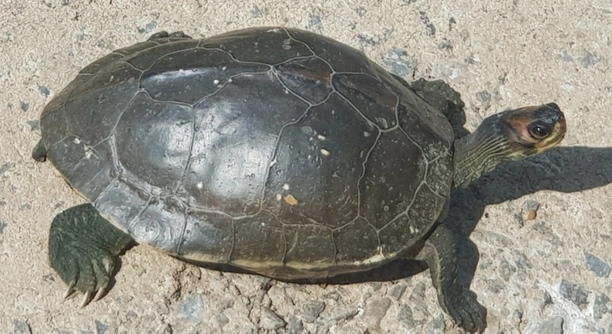
Indian Roofed Tortoises are known for their resilience, but they can still suffer from various parasites. These parasites can affect their overall health and wellbeing. Knowing how to identify and treat these issues is important for any tortoise owner.
Common parasites in Indian Roofed Tortoises include ticks, mites, worms, and fungal infections. These parasites can cause a range of symptoms from skin irritation to more severe health issues, requiring prompt treatment to ensure the tortoise’s recovery.
Learning about these parasites and how to treat them properly can make a big difference in maintaining your tortoise’s health. We’ll go over some common parasites and effective treatment methods in this article.
Ticks: A Common Parasite to Watch For
Ticks are a frequent issue for Indian Roofed Tortoises. These small, blood-sucking parasites can attach themselves to the tortoise’s skin and cause skin irritation or even more serious infections. Ticks often carry diseases that can harm your pet’s health, leading to fatigue or loss of appetite. These parasites usually latch on around the neck, under the legs, or near the shell. Regular checks are important to ensure that your tortoise remains tick-free. If you notice a tick, it’s best to remove it immediately with tweezers, gently pulling it out from the skin.
Ticks can spread bacteria and cause infections if left untreated. The most common signs that a tick is present are swelling or redness around the bite area. Keep an eye on these spots for a few days to ensure that no additional issues develop.
To remove a tick safely, grasp it firmly with a pair of tweezers, pulling gently to avoid leaving parts of the tick behind. You can then clean the area with a mild antiseptic solution to prevent infection.
Mites: Tiny But Troubling
Mites are another common parasite found on tortoises. These microscopic creatures can be hard to detect with the naked eye but can cause a range of symptoms, including excessive scratching and skin lesions.
Mite infestations often lead to itching, which can cause your tortoise to scratch or rub its body against objects, potentially leading to sores or infections. To treat mites, consult with a vet for the right treatment options. You can also use anti-mite sprays that are safe for tortoises, but proper cleaning of their enclosure is equally important to prevent re-infestation.
Worms: A Serious Concern for Health
Worms can be a common and dangerous parasite for tortoises. They can cause digestive problems, lethargy, and weight loss. Worm infestations usually lead to changes in behavior, such as reduced appetite or abnormal stool.
Intestinal worms are typically spread through contaminated food or water. If your tortoise is not eating properly or showing signs of bloating or discomfort, consider getting a fecal exam from the vet. The vet will be able to identify which type of worm is present and provide treatment. Medication prescribed by a vet is often effective at treating these parasitic infections.
Preventing worm infestations starts with proper care. Ensure your tortoise’s food is fresh and clean. Avoid feeding them from contaminated sources and always change their water regularly. Keeping the habitat clean can also reduce the chances of infection.
Fungal Infections: A Common Problem
Fungal infections are not uncommon in Indian Roofed Tortoises, especially when their environment is too humid or wet. These infections often appear as patches of discoloration on the skin or shell.
Mild fungal infections can be treated with topical antifungal creams, but it’s essential to clean the affected area carefully. If the infection is more severe, a vet might prescribe an oral antifungal treatment. You should also examine your tortoise’s living conditions to ensure proper humidity levels. Excess moisture can promote fungal growth, so maintaining a dry, clean environment is key.
To prevent fungal infections, ensure your tortoise has a well-ventilated enclosure with proper substrate. A balanced diet also supports immune function, helping your tortoise fight off these infections naturally.
Protozoa: A Hidden Threat
Protozoan infections are another health issue that can affect Indian Roofed Tortoises. These microscopic parasites often attack the intestines and can cause symptoms like diarrhea, weight loss, and dehydration.
Protozoan infections are typically transmitted through contaminated food or water. If your tortoise shows signs of illness, a vet can conduct tests to confirm the presence of protozoa. Treatment generally involves medication, and supportive care like fluid therapy may be necessary to help your tortoise recover. Regular cleaning of the enclosure helps prevent re-infection.
Bacterial Infections: Common and Contagious
Bacterial infections can occur when a tortoise’s immune system is weakened or when the environment is not properly maintained. These infections often lead to swelling, redness, or pus-filled abscesses on the skin or shell.
Bacterial infections are commonly caused by poor hygiene, overexposure to moisture, or injury. Keeping the habitat clean and dry is key to preventing these infections. If you notice signs of infection, visit a vet immediately for antibiotics to address the problem. You may also need to clean the affected area with antiseptic solution to prevent further infection. Regular monitoring is necessary to catch any potential issues early.
Internal Parasites: A Serious Problem
Internal parasites, like tapeworms, are harmful to your tortoise’s health. These parasites can cause issues with digestion and overall energy levels.
FAQ
What are the most common parasites found in Indian Roofed Tortoises?
The most common parasites in Indian Roofed Tortoises include ticks, mites, worms, and fungal infections. These parasites can cause various health issues, from skin irritation and infections to digestive problems. Regular monitoring of your tortoise’s health and environment is crucial to detect and treat any potential parasites early.
How can I tell if my tortoise has a parasite?
Signs that your tortoise may have a parasite include abnormal behavior such as lethargy, a reduced appetite, or scratching excessively. If you notice any changes in their eating habits, appearance, or if they seem uncomfortable, it’s a good idea to check for external parasites like mites or ticks. For internal parasites, unusual stools or bloating could be indicators. A vet visit is recommended for an accurate diagnosis and treatment.
How do I treat ticks on my tortoise?
To treat ticks, use a pair of fine-tipped tweezers to grasp the tick near the skin and gently pull it out. After removal, disinfect the area with a mild antiseptic solution to prevent infection. If there are several ticks or if your tortoise shows signs of illness, seek veterinary help for additional treatment. Regular checks and keeping the tortoise’s environment clean will help prevent ticks from returning.
What should I do if my tortoise has mites?
If your tortoise has mites, it’s important to treat them promptly. Consult a vet for specific mite treatment, which may include medicated sprays or dips. You will also need to thoroughly clean the tortoise’s habitat, as mites can live in bedding and on surfaces. Regular cleaning and proper humidity control in the habitat can also help prevent future mite infestations.
Can I prevent my tortoise from getting parasites?
While it’s impossible to completely eliminate the risk of parasites, you can significantly reduce it with proper care. Maintain a clean living environment, change your tortoise’s bedding regularly, and ensure they have access to fresh water and food. Regular health checks are essential to catch any signs of parasitic infection early. You can also limit your tortoise’s exposure to wild animals, which may carry parasites.
Are fungal infections dangerous for my tortoise?
Fungal infections can be serious if left untreated. They can cause skin lesions, discoloration, and even damage to the shell. Fungal infections are often triggered by a damp, poorly ventilated environment. If you notice any signs of infection, such as abnormal patches on your tortoise’s skin or shell, consult a vet. Treatment usually involves antifungal medications and ensuring that the habitat is kept dry and clean.
How do I treat a fungal infection on my tortoise?
Treating a fungal infection often involves applying an antifungal cream or solution to the affected areas. In severe cases, a vet may prescribe oral antifungal medications. It’s important to also address the root cause, which is often excessive humidity or poor ventilation. Keep your tortoise’s habitat dry and ensure good airflow to reduce the chances of future infections.
What should I feed my tortoise to avoid internal parasites?
Feeding your tortoise a healthy, balanced diet can help boost its immune system and prevent internal parasites. Provide fresh vegetables, fruits, and leafy greens, and avoid feeding them food that might be contaminated with parasites. Also, make sure your tortoise has access to clean water and avoid feeding it from questionable sources. Maintaining proper hygiene in their enclosure is equally important to prevent parasite infestations.
How can I remove worms from my tortoise?
If your tortoise has worms, the best course of action is to take them to a vet for a fecal examination. The vet will determine the type of worm and provide the appropriate medication, which may be oral dewormers. Follow the vet’s instructions carefully, and make sure to maintain a clean habitat to prevent re-infection. If you suspect worms, it’s important to act quickly to avoid complications.
Are parasites in tortoises contagious?
Some parasites, such as mites and ticks, can be spread to other tortoises if they come into direct contact. Other internal parasites, like worms, are often spread through contaminated food or water. If you have multiple tortoises, it’s crucial to quarantine any affected animals to prevent the spread of parasites. Regularly cleaning the enclosure and maintaining proper hygiene can help minimize the risk of parasite transmission.
Final Thoughts
Taking care of an Indian Roofed Tortoise involves more than just feeding and providing a suitable habitat. Regular checks for parasites are an essential part of maintaining your tortoise’s health. Ticks, mites, worms, fungal infections, and other parasites can affect your tortoise, causing discomfort or serious health issues. Being proactive by monitoring your tortoise for any signs of parasitic infections will help you address potential problems early and prevent more severe complications from developing.
Preventing parasites is just as important as treating them. Ensuring that your tortoise’s environment is clean and dry, providing fresh food and water, and limiting exposure to wild animals are all ways to reduce the chances of an infestation. Regularly cleaning your tortoise’s enclosure, changing bedding, and using safe disinfectants will help minimize the risk of parasite buildup. A balanced diet and good hydration also support your tortoise’s immune system, which can help it fend off parasites naturally.
If you notice any signs of illness or unusual behavior in your tortoise, it’s always best to seek the advice of a veterinarian. They can perform tests, identify the type of parasite, and provide the proper treatment. Taking quick action and following the vet’s recommendations will ensure that your tortoise remains healthy and happy. Regular checkups and proper care will keep your tortoise in great condition for years to come.

Hello,
If you enjoy the content that we create, please consider saying a "Thank You!" by leaving a tip.
Every little bit helps us continue crafting quality advice that supports the health, happiness, and well-being of pets around the world, for pets of all shapes, sizes, and species.
We really appreciate the kindness and support that you show us!