
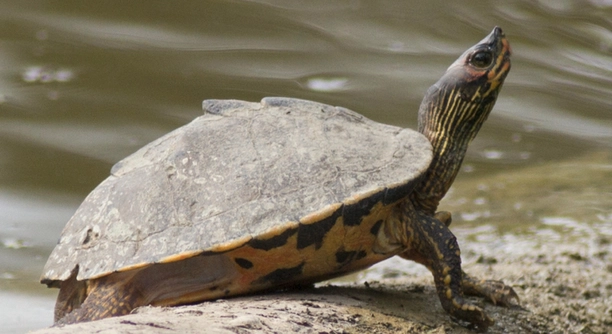
Indian roofed tortoises, like all pets, can face health challenges from parasites. These common issues can affect their overall well-being, making it essential to understand the parasites and how to address them.
The Indian Roofed Tortoise is susceptible to various parasites such as ticks, mites, and internal worms. Identifying and treating these parasites promptly is crucial for ensuring your tortoise’s health and longevity.
Managing parasites is essential for the well-being of your tortoise. Knowing how to detect and treat these pests will help you provide a healthier environment for your shelled companion.
Common Parasites in Indian Roofed Tortoises
Indian Roofed Tortoises can face various parasites that threaten their health. Some of the most common include ticks, mites, and intestinal worms. These pests often cause discomfort and can lead to severe health problems if left untreated. Ticks and mites may attach to the skin, causing irritation, while internal worms can cause digestion issues, weight loss, and lethargy. It’s important to check your tortoise regularly for signs of these pests. A healthy, parasite-free tortoise will have clear eyes, a clean shell, and active movements. You can take preventative measures such as keeping their habitat clean and providing proper diet to ensure their health remains optimal.
Identifying parasites early is the key to treating them effectively. Regularly inspect your tortoise for any unusual behavior or physical changes, such as excessive scratching or poor appetite.
While preventing parasites can be difficult, good hygiene practices and regular health checks will go a long way. The more you know about common parasites and how to manage them, the better care you can provide.
Treatment for External Parasites
External parasites like ticks and mites are easy to spot but require immediate action. If you find these pests on your tortoise, it’s crucial to remove them gently with tweezers, being careful not to damage the skin.
Once you’ve removed the pests, treat the skin with a gentle antiseptic to avoid infection. You can also bathe your tortoise in warm water with a small amount of non-toxic soap to help soothe the skin. If the problem persists or the tortoise appears ill, consult a vet for advice on proper medication.
In severe cases, external parasites can cause skin infections or weaken the tortoise’s immune system, leading to further complications. Keeping their enclosure clean and ensuring your tortoise is not stressed will help prevent these pests from returning. Regularly check your tortoise’s skin and shell to catch problems early before they worsen.
Treatment for Internal Parasites
Internal parasites, like worms, are more difficult to spot but can cause serious issues for your tortoise. Look for signs such as weight loss, lethargy, or changes in appetite. These are often indicators that something is wrong inside. A vet can provide a proper diagnosis, including stool tests to identify the type of parasite.
Treating internal parasites typically involves deworming medication prescribed by a veterinarian. The medication will target the specific parasites and help clear them from your tortoise’s system. After treatment, it’s essential to monitor their health for any signs of recovery or new symptoms. Keeping your tortoise’s living environment clean and providing a balanced diet can also prevent future infestations.
If you suspect internal parasites, avoid using over-the-counter remedies. Consult a vet to ensure you get the correct medication for your tortoise’s specific needs. Dealing with parasites promptly helps restore your tortoise’s health and prevents long-term damage.
Preventing Parasites in the Future
To prevent parasites, cleanliness and proper care are key. Regularly clean your tortoise’s enclosure, removing waste and debris that could harbor eggs or larvae. A clean environment is essential for keeping external parasites at bay. Always make sure your tortoise has access to clean water, which will help reduce the risk of internal parasites.
Another important aspect of prevention is diet. Feeding your tortoise a well-balanced diet ensures they have a strong immune system. You should also make sure their habitat has proper humidity and temperature. A stable environment reduces stress, which in turn helps your tortoise maintain a healthy immune system. Additionally, avoid introducing new animals into your tortoise’s enclosure, as they can bring in parasites.
Regular vet check-ups are also crucial. Your veterinarian can check for signs of parasites and provide treatments when necessary. By maintaining a clean environment, providing the right food, and having regular health checks, you can reduce the chances of your tortoise becoming infested with parasites in the future.
Common Signs of Parasites
Parasites can often be tricky to spot early on. Look out for changes in your tortoise’s behavior, such as scratching, lethargy, or loss of appetite. A noticeable weight change or abnormal stools are also common indicators. Pay attention to these signs, as early detection is crucial.
Regularly check your tortoise’s skin, shell, and eyes for abnormalities. If they seem off, it might be worth investigating further with a vet. Keeping track of any changes, even small ones, can make a big difference in catching parasitic infections early.
How to Clean Your Tortoise’s Habitat
Maintaining a clean habitat is essential for your tortoise’s health. Remove leftover food, waste, and uneaten vegetables daily. Disinfect surfaces weekly using pet-safe cleaners. This reduces the chance of parasites lingering in the environment. Make sure their basking area is dry, as moisture can encourage parasites.
Also, replace any old bedding regularly to keep the habitat fresh. This simple habit will minimize parasite exposure and create a healthier environment for your tortoise. Proper humidity and temperature control are also crucial to reducing stress and maintaining a healthy system.
When to Seek Professional Help
If you notice persistent symptoms like weight loss, poor appetite, or skin irritation, it’s time to consult a vet. A professional will conduct tests to determine the exact cause of the problem. Early treatment is essential for your tortoise’s recovery.
FAQ
How do I know if my Indian Roofed Tortoise has parasites?
You can usually spot parasites by observing changes in behavior. If your tortoise becomes more sluggish than usual, loses interest in food, or has noticeable changes in their stool, these could be signs. External parasites like ticks or mites may be visible on the skin or shell. For internal parasites, weight loss and lethargy are key signs. Regularly check your tortoise’s health and consult a vet if you notice any odd behavior or symptoms.
Can parasites affect the shell of my tortoise?
Yes, some external parasites, especially mites and ticks, can cause damage to your tortoise’s shell. These pests can irritate the skin, leading to scabs, redness, or other visible issues. Mites, in particular, can cause your tortoise to rub its shell excessively, potentially leading to wear and tear. Regular cleaning and pest control help avoid this.
What is the best way to treat ticks on a tortoise?
To treat ticks, you can use a pair of tweezers to carefully remove the tick from the tortoise’s skin or shell. Make sure to pull gently to avoid leaving parts of the tick behind. After removal, disinfect the area with an antiseptic to prevent infection. If the tick infestation is severe, it’s best to consult a vet for treatment options.
Are mites dangerous to my tortoise?
Yes, mites can be harmful. They cause itching and irritation, which can lead to your tortoise rubbing its skin or shell excessively. This behavior can result in abrasions or infections. Additionally, mites can weaken the tortoise’s immune system, making it more vulnerable to other diseases. If you notice signs of mites, like skin irritation or excessive scratching, immediate treatment is recommended.
Can I use over-the-counter treatments for parasites?
While some over-the-counter treatments are available, it’s always best to consult a vet before using them. Some treatments may not be safe for your tortoise, or they might not address the specific type of parasite. A vet can provide a more accurate diagnosis and recommend the right medication for the issue.
How often should I check my tortoise for parasites?
It’s a good idea to check your tortoise regularly for signs of parasites, at least once a week. Look for signs like skin irritation, weight loss, or changes in behavior. By checking often, you can catch any issues early and prevent parasites from causing long-term harm.
Can parasites affect the health of my tortoise’s internal organs?
Yes, internal parasites like worms can affect the digestive system of your tortoise. These parasites can lead to malnutrition, weight loss, and general weakness. In severe cases, they can damage internal organs. If your tortoise shows signs of digestive problems, it’s important to get it checked by a vet.
How can I prevent parasites from infesting my tortoise’s habitat?
To prevent parasites, keep the tortoise’s enclosure clean. Remove waste, uneaten food, and old bedding regularly. Disinfect surfaces with pet-safe cleaners. It’s also important to maintain proper humidity and temperature, as these factors can impact parasite growth. A clean environment reduces the chances of parasites infesting your tortoise.
Are there natural remedies for treating parasites in tortoises?
While some natural remedies may help, they are not always effective against all types of parasites. For example, some tortoise owners use herbal treatments or natural repellents for external pests. However, these remedies are not always scientifically proven. It’s best to consult a vet for a proper diagnosis and treatment plan to ensure your tortoise gets the best care.
What should I do if my tortoise has worms?
If your tortoise has worms, it’s important to treat them as soon as possible. A vet will likely prescribe a deworming medication tailored to the type of worm. Follow the vet’s instructions carefully, and keep the tortoise’s habitat clean during the treatment process. Regular check-ups will help prevent future infestations.
Is it safe for my tortoise to be around other animals?
Tortoises can be around other animals, but it’s important to monitor their interactions closely. If other pets have parasites, they can transfer them to your tortoise. Always quarantine any new animals before introducing them to your tortoise’s environment. This will help prevent the spread of parasites.
Can parasites spread from tortoises to humans?
Most parasites that affect tortoises are species-specific, meaning they don’t typically affect humans. However, some parasites, like ticks or mites, can be spread to humans, especially if they are not removed properly. Always wash your hands after handling your tortoise and disinfect any tools used for parasite removal.
How can I treat a shell infection caused by parasites?
If your tortoise’s shell becomes infected, it’s important to clean the area gently. Use a mild antiseptic and avoid harsh chemicals that could irritate the skin. If the infection doesn’t clear up quickly or worsens, seek professional help. A vet may prescribe topical treatments or oral medication to help heal the infection.
Final Thoughts
Taking care of an Indian Roofed Tortoise requires more than just feeding and providing water. Parasites, both external and internal, can cause serious health problems if not addressed quickly. Regularly checking your tortoise for signs of parasites is key to preventing bigger issues. It’s important to stay alert to any changes in behavior, appearance, or activity levels. If you notice anything unusual, such as weight loss, lethargy, or skin irritation, it’s a good idea to investigate further. Early detection of parasites will give you the best chance to treat them effectively and ensure the long-term health of your tortoise.
Keeping your tortoise’s living space clean is also crucial. Parasites thrive in dirty environments, so regular cleaning of their habitat will reduce the risk of infestations. Remove any uneaten food, old bedding, and waste to keep their space fresh. It’s also important to disinfect the enclosure regularly, using safe, non-toxic cleaners. Additionally, keeping the right temperature and humidity levels in their habitat will help prevent stress, which can weaken their immune system and make them more susceptible to parasites. A clean, well-maintained environment supports overall health and reduces the likelihood of parasite-related issues.
In the end, prevention is the most effective way to manage parasites. Regular health checks, a clean habitat, and a well-balanced diet are all essential components of keeping your tortoise healthy. While treating parasites is sometimes necessary, the best approach is to reduce the risk of them in the first place. Remember, if you’re unsure or suspect something is wrong with your tortoise, don’t hesitate to consult a vet. With proper care and attention, you can ensure that your tortoise stays happy and healthy for years to come.

Hello,
If you enjoy the content that we create, please consider saying a "Thank You!" by leaving a tip.
Every little bit helps us continue crafting quality advice that supports the health, happiness, and well-being of pets around the world, for pets of all shapes, sizes, and species.
We really appreciate the kindness and support that you show us!