
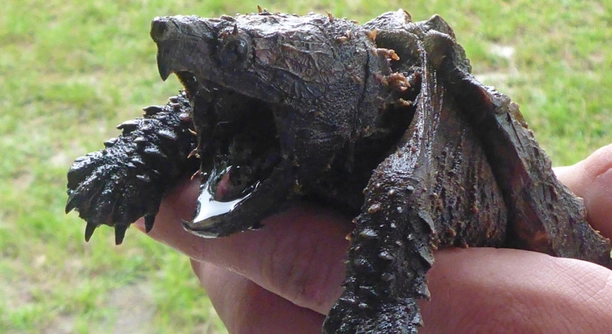
Alligator snapping turtles are unique creatures, but like any animal, they can experience health issues. Understanding the common illnesses they face is essential for ensuring their well-being.
Alligator snapping turtles are susceptible to various illnesses, including respiratory infections, shell rot, parasites, and more. Each condition requires specific treatment, ranging from antibiotics to proper habitat management, to promote recovery and prevent further complications.
By knowing how to identify and treat these common ailments, you can provide the best care for your turtle. Understanding the signs early can make a significant difference in their recovery and long-term health.
Respiratory Infections in Alligator Snapping Turtles
Respiratory infections are common in alligator snapping turtles, especially in environments that are too cold or have poor water quality. These infections can lead to lethargy, difficulty breathing, or swelling around the neck. If not addressed, it could become life-threatening. Stress, a poor diet, or improper tank conditions may contribute to the development of these infections. Symptoms usually include heavy breathing, bubbling around the nose, or a lack of appetite. It’s important to monitor your turtle’s behavior closely and provide an environment that supports its health.
To treat respiratory infections, begin by improving the water conditions and raising the temperature in their tank. If symptoms persist, antibiotics may be necessary, and consulting a vet is highly recommended.
Proper tank maintenance, such as regular water changes and the use of water filters, can prevent respiratory infections from occurring. Maintaining a warm, stress-free environment is vital for your turtle’s immune system. The sooner the illness is addressed, the better the chance of a full recovery.
Shell Rot in Alligator Snapping Turtles
Shell rot is a condition where the turtle’s shell becomes infected due to bacteria or fungi.
Shell rot often results from injuries, poor water quality, or prolonged exposure to damp conditions. If left untreated, it can lead to further damage to the shell and potentially deeper tissue infection. Symptoms include soft, discolored areas on the shell and a foul odor. Keep the water clean, and ensure your turtle has access to dry land in its habitat to avoid prolonged wetness.
To treat shell rot, remove your turtle from the contaminated water and clean the affected area with a mild antiseptic. Depending on the severity, a vet may prescribe topical medications or oral antibiotics. In extreme cases, the damaged shell may require surgical intervention to remove the infected tissue. Be sure to monitor the condition closely, as untreated shell rot can lead to long-term health issues for your turtle.
Parasites in Alligator Snapping Turtles
Parasites can pose a significant threat to alligator snapping turtles. Common internal parasites include roundworms, flatworms, and protozoans. External parasites, like leeches or ticks, can also affect their health. These parasites often cause lethargy, weight loss, and a decrease in appetite.
To treat internal parasites, you may need to administer medications prescribed by a vet. Regular deworming can help prevent future infestations. For external parasites, cleaning the turtle’s habitat and removing any parasites manually is key. Ensuring clean water conditions and a proper diet will also help boost your turtle’s immune system to fend off parasites.
Preventing parasitic infections involves routine check-ups, maintaining clean water, and offering a well-balanced diet. By creating a healthy environment and monitoring for signs of parasites, you can help your turtle thrive and avoid unnecessary health issues.
Fungal Infections in Alligator Snapping Turtles
Fungal infections can develop in damp environments where the turtle’s shell or skin becomes vulnerable. These infections often show as discolored patches or sores.
Treating fungal infections starts with improving the environment—decrease humidity and ensure the water is clean. If the infection affects the shell, applying antifungal creams can help. A vet may also prescribe oral antifungals for more severe cases. These infections may progress quickly, so it’s crucial to act fast if you notice any unusual spots or swelling.
Along with treating the infection, it’s important to address the underlying environmental factors, such as water quality and tank temperature, to prevent future occurrences. Regular maintenance and monitoring will support your turtle’s overall health and reduce the risk of fungal infections.
Eye Infections in Alligator Snapping Turtles
Eye infections are common in alligator snapping turtles, often caused by bacteria or poor water quality. The signs include swollen eyes, discharge, or the turtle rubbing its eyes against objects. If untreated, it can lead to blindness or more severe infections.
To treat an eye infection, gently clean the area with saline solution and ensure that the turtle’s water is clean and at the proper temperature. Antibiotic eye drops may be necessary if the infection is more severe. In persistent cases, a vet should be consulted for further treatment.
Maintaining clean, filtered water and providing a stress-free environment can help prevent future eye infections. Regularly check for any signs of irritation or discharge to address issues quickly.
Dehydration in Alligator Snapping Turtles
Dehydration is a serious issue for alligator snapping turtles, often resulting from poor water conditions or lack of access to water.
Ensure that your turtle’s habitat has clean, properly maintained water. If dehydration occurs, increase water intake and adjust the temperature. In severe cases, a vet may need to administer fluids directly to the turtle. Dehydration can lead to other health complications, so addressing it early is important.
Vitamin Deficiency in Alligator Snapping Turtles
A lack of essential vitamins, particularly vitamin A, can lead to health problems in alligator snapping turtles.
Vitamin A deficiency often causes eye issues, poor shell growth, and skin problems. Providing a balanced diet with leafy greens, carrots, and high-quality turtle pellets can prevent this. Adding vitamin supplements may also help when necessary.
FAQ
What are the signs that my alligator snapping turtle is sick?
Sick alligator snapping turtles often display signs such as lethargy, loss of appetite, changes in behavior, and difficulty swimming. Other symptoms include abnormal breathing, swollen areas on the shell, or discharge from the eyes or nose. A sick turtle may also hide more often or become less responsive to interaction. Early detection is key, so keep an eye on any changes in your turtle’s routine or appearance.
How can I prevent respiratory infections in my alligator snapping turtle?
To prevent respiratory infections, ensure your turtle’s habitat is warm and dry. A tank temperature between 75°F to 85°F (24°C to 29°C) is ideal for their health. Additionally, maintaining clean water and using a good filtration system will reduce bacteria buildup that can lead to infections. Avoid keeping the turtle in stressful environments, as stress weakens their immune system. A balanced diet with proper vitamins will also help keep them healthy and resistant to illnesses.
What should I do if my alligator snapping turtle has shell rot?
If your turtle has shell rot, first isolate it from its habitat to prevent further exposure to bacteria. Clean the affected area with a mild antiseptic and apply any prescribed medication. It’s crucial to address the cause of shell rot, such as poor water quality or injury. You’ll also need to make sure the turtle is kept in a dry, clean environment until it heals. If the rot is severe, consult a veterinarian for further care and possible surgical intervention.
Can alligator snapping turtles get parasites?
Yes, alligator snapping turtles can get both internal and external parasites. Internal parasites, like worms, can cause weight loss, lethargy, and digestive issues. External parasites, like leeches or mites, may cause skin irritation or sores. To avoid parasites, keep the turtle’s living environment clean, and check for any signs of infection. Regular deworming can help prevent internal parasites, and if external parasites are found, remove them manually and consult a vet for treatment.
How do I treat fungal infections in my alligator snapping turtle?
Fungal infections can affect the shell or skin of your turtle. Symptoms include discolored spots or lesions on the shell and skin. The first step is to improve the living conditions by reducing humidity and ensuring clean water. Clean the infected area with a mild antifungal solution, and apply any prescribed medication. If the infection is severe, seek veterinary assistance for oral antifungal treatment. Keeping the environment dry and clean will help prevent future fungal infections.
What temperature should I keep my alligator snapping turtle’s tank at?
The ideal temperature for an alligator snapping turtle’s tank is between 75°F and 85°F (24°C to 29°C). If the tank is too cold, it can slow down the turtle’s metabolism, making them more susceptible to illness. Too high of a temperature can cause stress and dehydration. A water heater may be necessary to maintain a consistent, warm environment, especially in cooler climates. Make sure to use a thermometer to monitor the water temperature regularly.
How can I tell if my alligator snapping turtle is dehydrated?
Dehydration in turtles can lead to soft or sunken skin, lethargy, and loss of appetite. If your turtle is not drinking water or is not in the water often enough, it might become dehydrated. You may also notice a lack of urination. To treat dehydration, increase your turtle’s water intake and make sure it has access to clean, fresh water at all times. If dehydration persists, it’s best to take the turtle to the vet for fluids to be administered directly.
Is vitamin deficiency common in alligator snapping turtles?
Vitamin deficiencies, particularly in vitamins A and D, are common in turtles that don’t receive a balanced diet. Vitamin A deficiency can cause issues with the eyes, shell, and skin. A lack of vitamin D can lead to shell deformities and poor bone health. To prevent deficiencies, feed your turtle a varied diet with leafy greens, carrots, and quality turtle pellets. You can also add vitamin supplements if necessary, but it’s always best to consult a vet before doing so.
How often should I feed my alligator snapping turtle?
Adult alligator snapping turtles typically need to be fed two to three times a week, while younger turtles require more frequent feedings. Offer a variety of foods, such as fish, shrimp, and commercial turtle food. It’s important not to overfeed, as excess food can lead to obesity and health issues. Ensure the food is appropriately sized for your turtle to avoid choking or digestive problems. Always monitor their eating habits to spot any health concerns early on.
Can alligator snapping turtles live with other turtles?
Alligator snapping turtles are solitary creatures by nature and may not always tolerate other turtles in their environment. They can be territorial and aggressive, particularly toward smaller turtles or those of different species. If you plan to house multiple turtles, make sure there is enough space in the tank for each one to establish its own territory. Keep an eye on their interactions, as aggression can lead to injury. If aggression occurs, it’s best to house them separately.
Final Thoughts
Caring for an alligator snapping turtle can be both rewarding and challenging. These unique creatures require specific attention to their environment, diet, and overall health. It’s important to keep their habitat clean, maintain the proper water temperature, and provide a balanced diet to help prevent common health issues. Being proactive about water quality and temperature can make a big difference in preventing illnesses like respiratory infections or shell rot. Regularly checking on their behavior and physical condition will help you catch any health problems early and address them promptly.
When your turtle does face health problems, it’s crucial to act quickly. Many illnesses, like fungal infections or eye infections, can be treated if caught early. However, if left untreated, they can lead to more serious complications. It’s always a good idea to consult a veterinarian if you’re unsure about any symptoms or how to treat them. Sometimes, professional care is needed to ensure your turtle’s recovery. Additionally, keeping your turtle’s living space stress-free will go a long way in maintaining its overall health. Stress can weaken their immune system, making them more vulnerable to diseases.
Overall, providing the right care and environment is key to the well-being of your alligator snapping turtle. By understanding the common illnesses they face and how to treat them, you can ensure that your turtle leads a long, healthy life. Regular maintenance of their habitat and proper feeding habits will help prevent many health problems. It’s important to stay vigilant and seek professional help when necessary to make sure your turtle is always in the best shape possible. Keeping your turtle healthy is a long-term commitment, but with the right care, it can be a rewarding experience.

Hello,
If you enjoy the content that we create, please consider saying a "Thank You!" by leaving a tip.
Every little bit helps us continue crafting quality advice that supports the health, happiness, and well-being of pets around the world, for pets of all shapes, sizes, and species.
We really appreciate the kindness and support that you show us!