
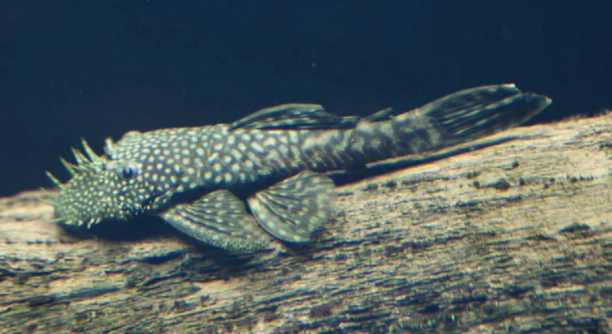
Many aquarists love keeping plecostomus, but like all fish, they can face health challenges. Being aware of common health problems can help keep your pleco healthy and thriving in your tank.
Plecostomus often suffer from common health problems such as skin diseases, fin rot, swim bladder issues, and parasites. These issues can be caused by poor water quality, improper diet, or stress, making timely intervention important.
Addressing health problems early will improve your pleco’s quality of life. We’ll explore the most common health concerns and how to handle them effectively.
Skin Diseases in Plecostomus
Plecostomus can be prone to skin diseases like ich, velvet, and fungal infections. These infections often appear as white spots, discoloration, or fuzzy growth on the skin. Poor water conditions, high stress, or an overcrowded tank can lead to these issues. Maintaining a clean tank and ensuring the right water parameters can reduce the risk.
Infected plecos may start to scratch against surfaces or swim erratically. The condition can worsen quickly if not addressed, leading to more serious health complications. Early identification is key.
If you notice any unusual symptoms, it’s best to isolate the affected pleco. Treating the tank with medications designed for skin diseases can help. Properly adjusting the water quality and diet can also support your pleco’s immune system and speed up recovery. Regularly monitoring water parameters and keeping the tank clean will help prevent future skin issues.
Fin Rot in Plecostomus
Fin rot can affect plecos when they’re under stress or exposed to poor water conditions.
This condition causes the fins to fray, deteriorate, and possibly fall off. If left untreated, fin rot can spread to the body. Good water hygiene and a balanced diet help prevent it. A stressed pleco is more vulnerable to infections like fin rot, so maintaining a calm environment is crucial for their health. Treating the problem with antibiotics or antifungal treatments is often required.
Swim Bladder Issues in Plecostomus
Swim bladder problems are common in plecos. These issues can cause your pleco to have trouble swimming, resulting in floating to the surface or sinking to the bottom. Poor water quality, overfeeding, or an injury can all contribute to swim bladder problems.
Swim bladder disorders can be caused by various factors. Bacterial infections, parasites, or physical injury can affect the swim bladder’s function. If you notice your pleco swimming oddly, it’s important to assess water quality, feeding habits, and tank conditions. Adjusting diet to include more fiber may help if the issue is constipation-related.
If swim bladder problems persist, treating your pleco with medications or adjusting tank conditions may be necessary. A low-protein diet, along with regular water changes, can also help in the recovery process. In severe cases, quarantining the affected pleco might be needed to prevent spreading potential infections.
Parasitic Infections in Plecostomus
Parasites can severely impact plecos if not dealt with quickly.
Common parasites that affect plecos include ich, gill flukes, and worms. They often enter the tank through new fish, contaminated food, or poor water quality. Symptoms may include scratching, lethargy, and rapid gill movement. If left untreated, parasites can lead to death.
To address parasitic infections, quarantine any new fish before introducing them to the main tank. Treat your pleco with parasite-specific medications and ensure that the water temperature and pH are ideal for their health. Regular water changes and cleaning the tank are essential for preventing future outbreaks. Keeping your pleco’s stress levels low by maintaining a stable environment will also help boost its immune system, making it more resistant to parasitic infections.
Poor Water Quality in Plecostomus
Plecostomus are sensitive to water quality. Ammonia, nitrites, and high nitrate levels can harm them. Poor water conditions often lead to skin issues, stress, and weakened immune systems. Regular water changes and filtration are crucial to maintain a healthy environment.
Testing the water regularly for ammonia, nitrite, and nitrate levels will help ensure your pleco stays healthy. If any of these levels are too high, perform water changes immediately. A reliable filter can also aid in removing toxins. Additionally, keeping the tank at the right temperature and pH level will help prevent stress and illness.
Overfeeding Plecostomus
Overfeeding can cause digestive problems and water quality issues.
Plecos can become bloated or suffer from constipation if fed too much. It’s important to feed them only what they can consume within a few minutes. Overfeeding leads to uneaten food decaying in the tank, affecting water quality.
Stress in Plecostomus
Stress is a major contributor to health problems in plecos.
Factors like tankmates, overfeeding, and poor water quality can cause stress. Stressed plecos are more likely to develop diseases and infections. Creating a calm environment with compatible tankmates and maintaining stable water conditions can reduce stress.
FAQ
What should I do if my plecostomus has white spots on its body?
White spots on your pleco could indicate ich, a common parasitic infection. To treat this, raise the tank temperature to 78-80°F and use an ich treatment designed for freshwater fish. It’s also important to ensure your pleco isn’t stressed and that the water quality is optimal. Regular water changes will help improve conditions and prevent further outbreaks.
How can I prevent fin rot in plecostomus?
Fin rot often develops due to poor water quality, stress, or injuries. To prevent it, make sure your pleco’s tank has a proper filtration system, and perform regular water changes. Avoid overcrowding the tank, as this can increase stress. If you notice the fins starting to fray or change color, treat your pleco immediately with an antifungal or antibacterial medication.
Why is my plecostomus staying at the surface of the tank?
If your pleco is staying near the surface, it could be a sign of swim bladder issues, poor water quality, or oxygen deprivation. First, check the water parameters (ammonia, nitrite, and nitrate levels) and make sure the oxygen levels are sufficient. If the water quality is good, consider whether the pleco is constipated. You can try feeding them blanched vegetables like zucchini to help with digestion.
How often should I feed my plecostomus?
Plecos are bottom feeders and mostly eat algae and plant matter, but they still need a balanced diet. It’s best to feed them small amounts once a day or every other day. Be careful not to overfeed, as this can cause health issues. Offering a variety of foods, such as algae wafers, fresh vegetables, and occasional protein sources, will keep them healthy.
What are the signs of a stressed plecostomus?
Stress in plecos can show in a variety of ways, including loss of appetite, erratic swimming, hiding more than usual, and faded colors. Stress can be caused by factors like poor water quality, incompatible tankmates, overcrowding, or improper tank conditions. To reduce stress, ensure the tank is large enough, water parameters are stable, and there are no aggressive fish in the tank.
Why does my plecostomus have cloudy eyes?
Cloudy eyes in plecos can be caused by infections, poor water quality, or injury. If the tank’s water parameters are off, this can lead to eye problems. It’s also possible that the pleco is suffering from a bacterial infection or physical trauma. Start by improving water conditions and isolating the pleco to prevent further injury or infection. If it doesn’t improve, consult a vet for the appropriate treatment.
Can plecostomus live with other fish?
Plecos are generally peaceful, but they do best with non-aggressive tankmates. They can live with other bottom dwellers and some mid-to-top swimming fish. However, avoid keeping them with overly territorial or aggressive species, as this can cause stress. Make sure the tank has enough hiding spots and space to allow plecos to feel secure.
What temperature should my plecostomus tank be?
Plecostomus prefer temperatures between 74-80°F. Keeping the water in this range will help prevent stress and promote their health. Sudden temperature fluctuations can cause illness or shock, so ensure the tank’s heater is stable and reliable. Always monitor the water temperature with a thermometer.
How can I treat parasites in my plecostomus?
If your pleco has a parasitic infection, such as ich or gill flukes, you’ll need to treat the tank with a specific medication designed for parasites. Increasing the water temperature slightly can speed up the lifecycle of the parasite, allowing the treatment to be more effective. Ensure you remove any uneaten food from the tank to prevent further contamination. Quarantining affected fish may also help prevent the spread of parasites.
Why does my plecostomus keep scratching against objects in the tank?
Scratching against objects is a sign that your pleco might be suffering from skin irritation, possibly caused by parasites or poor water conditions. First, check the water quality and make sure there are no high levels of ammonia or nitrite. If water parameters are good, the cause might be an external parasite, such as ich or velvet. Treat the tank accordingly with anti-parasitic medication.
Final Thoughts
Taking care of a plecostomus can be rewarding, but it also comes with challenges. They are generally hardy fish, but like all creatures, they need the right environment to thrive. Regularly checking water quality, maintaining proper tank conditions, and keeping an eye out for signs of illness are essential steps in ensuring your pleco stays healthy. Early intervention is key when you notice any changes in their behavior or appearance.
Plecos can live for many years if they are well cared for. This means giving them a proper diet, keeping the tank clean, and making sure they have enough space to move around. They also appreciate some hiding spots, as they tend to be more active at night. Keeping them in a peaceful tank with compatible tankmates will reduce stress, which is vital for their well-being. When plecos are stressed or feel threatened, they are more susceptible to diseases and infections.
Ultimately, caring for your plecostomus is about creating a stable, comfortable environment. Regular maintenance, observation, and prompt treatment for any health issues will help ensure that your pleco lives a long, healthy life. Understanding their needs and behaviors will make your experience with them more enjoyable. By being proactive and attentive, you can prevent many of the common health issues that plecos face and enjoy their peaceful presence in your aquarium.

Hello,
If you enjoy the content that we create, please consider saying a "Thank You!" by leaving a tip.
Every little bit helps us continue crafting quality advice that supports the health, happiness, and well-being of pets around the world, for pets of all shapes, sizes, and species.
We really appreciate the kindness and support that you show us!