
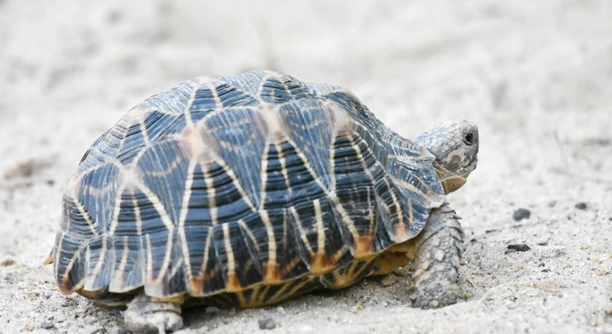
Indian Star Tortoises are popular pets, known for their unique appearance and calm demeanor. However, like all pets, they can experience health issues that need attention and care. Proper knowledge can help keep them healthy.
Common health problems in Indian Star Tortoises include shell rot, respiratory infections, and dehydration. These issues are often caused by improper diet, housing conditions, or handling. Early diagnosis and appropriate treatment are essential to prevent further complications.
Understanding these problems and their solutions can improve your tortoise’s overall well-being, ensuring they live a long, healthy life.
Shell Rot: A Common Concern
Shell rot is one of the most frequent health problems in Indian Star Tortoises. This condition typically occurs when the tortoise’s shell is exposed to prolonged moisture, making it soft and prone to infection. Bacteria or fungi can enter through cracks or damaged areas, leading to tissue decay.
To prevent shell rot, ensure your tortoise’s habitat is dry and clean. Avoid leaving the tortoise in damp areas for extended periods. When cleaning the shell, use gentle methods and avoid harsh chemicals. If you notice any soft spots or discoloration on the shell, consult a vet.
Regular checks for shell damage are essential. If you notice changes, seek prompt treatment. The condition can worsen rapidly, leading to permanent damage. If treated early, your tortoise can recover fully and lead a healthy life. Keeping the habitat clean and dry reduces the risk of shell rot significantly.
Respiratory Infections: Watch for Signs
Respiratory infections are another concern for Indian Star Tortoises. These infections usually arise from poor ventilation or extreme temperature fluctuations. Symptoms may include wheezing, nasal discharge, or labored breathing.
Proper temperature control is crucial to maintaining your tortoise’s health. Ensure your tortoise’s enclosure is in a place with consistent, moderate temperatures. High humidity and drafty areas can lead to respiratory distress. The right heating lamps can also create a warm, controlled environment.
These infections, if left untreated, can lead to more severe health problems. Immediate attention is needed to prevent complications. A vet can prescribe antibiotics or other treatments based on the severity. Regular monitoring of your tortoise’s environment will help in preventing respiratory issues. Consistency is key.
Dehydration: A Hidden Danger
Dehydration is a serious issue for Indian Star Tortoises. They need access to fresh water regularly, but they can sometimes be hesitant to drink. Signs of dehydration include sunken eyes, lethargy, and dry skin.
To prevent dehydration, ensure your tortoise always has a shallow water dish that they can easily access. You can also mist their habitat to maintain proper humidity levels. Make sure the enclosure is warm enough to encourage drinking but not too hot, as excessive heat can worsen dehydration.
If your tortoise shows signs of dehydration, increase the humidity in their environment and offer water soaked vegetables, like cucumber or leafy greens. A vet may recommend fluid injections if the dehydration is severe. Long-term dehydration can lead to kidney failure, so keeping the water supply fresh is vital.
Improper Diet: Feeding Mistakes
An improper diet can lead to various health problems in Indian Star Tortoises. Feeding them an unbalanced diet can result in obesity, malnutrition, or even metabolic bone disease. They require a diet rich in fiber and calcium to stay healthy.
Avoid feeding them high-protein foods, such as meat, which can cause kidney stress. Instead, provide leafy greens, grasses, and a small amount of fruit. Supplements like calcium and vitamin D3 are essential, especially if your tortoise doesn’t have access to natural sunlight. Calcium is crucial for shell growth and bone health.
Overfeeding high-calcium foods can also cause issues, such as kidney stones. Keep portions balanced and monitor their weight regularly. Stick to a consistent feeding schedule, and offer a variety of greens to meet all their nutritional needs.
Overheating: A Common Issue
Overheating can stress Indian Star Tortoises, especially if they’re exposed to high temperatures for too long. They are cold-blooded, so they rely on their environment to regulate body temperature. Signs of overheating include excessive panting, open-mouth breathing, and lethargy.
To prevent overheating, ensure your tortoise’s enclosure has both warm and cool areas. Avoid direct sunlight for long periods, and make sure they have access to shaded spots. Ensure that their habitat temperature does not exceed 90°F (32°C) for extended periods. Keep an eye on the humidity levels to ensure they stay comfortable.
Egg Binding: A Serious Condition
Egg binding occurs when a female tortoise is unable to lay her eggs. It can cause severe pain and even death if left untreated. This condition can be caused by poor diet, lack of proper nesting areas, or inadequate environmental conditions.
To prevent egg binding, provide a suitable nesting area with loose soil or sand where the tortoise can dig. Ensure that she has the proper calcium intake for egg production. If a female tortoise shows signs of struggling to lay eggs, seek veterinary help immediately.
Parasites: Hidden Threats
Parasites like ticks, mites, or internal worms can cause health issues for tortoises. Symptoms of parasite infestations include weight loss, lethargy, and visible skin issues. Regularly check for signs of parasites to prevent long-term problems.
FAQ
What should I do if my Indian Star Tortoise is not eating?
If your Indian Star Tortoise is not eating, it could be due to stress, improper temperature, or an incorrect diet. First, check the habitat’s temperature and humidity to ensure they are within the right range. Offer a variety of fresh, leafy greens, and avoid overfeeding high-calcium foods. Sometimes, a change in diet or environment can cause temporary loss of appetite, but if the issue persists, consult a vet for advice.
How do I know if my tortoise is sick?
Signs of illness in Indian Star Tortoises include lethargy, loss of appetite, abnormal breathing, or changes in the shell, such as discoloration or softness. Also, look for changes in their skin or unusual discharge. If you notice any of these symptoms, it’s best to seek veterinary help immediately.
Can I house two Indian Star Tortoises together?
While it’s possible to house two Indian Star Tortoises together, it’s important to monitor them closely. They can sometimes show territorial behavior or compete for food and space. To avoid stress, make sure there’s enough room, hiding spots, and separate feeding areas. If they show signs of aggression, separate them immediately.
What is the best substrate for an Indian Star Tortoise’s enclosure?
The best substrate for an Indian Star Tortoise is a mix of organic soil, sand, and coconut coir. This provides a natural environment and helps with burrowing. Avoid using cedar or pine wood shavings, as they can be harmful to their health. The substrate should also allow for good drainage to prevent excess moisture buildup.
How often should I bathe my Indian Star Tortoise?
Bathing your Indian Star Tortoise once a week can help with hydration and cleanliness. Use lukewarm water, and ensure the bath is shallow enough for the tortoise to sit comfortably. Soaking also helps with shedding, and it’s an opportunity to check for any skin issues or parasites. Don’t overdo it, as frequent bathing can cause stress.
What temperature should my Indian Star Tortoise’s enclosure be?
The temperature of your tortoise’s enclosure should range from 80°F (27°C) to 90°F (32°C) during the day, with a basking spot reaching up to 95°F (35°C). At night, the temperature can drop to 70°F (21°C). A proper temperature gradient allows your tortoise to regulate its body temperature and remain healthy.
Is it necessary for my tortoise to have UVB lighting?
Yes, UVB lighting is essential for an Indian Star Tortoise’s health. UVB rays help them synthesize vitamin D3, which is necessary for calcium absorption and bone health. Without adequate UVB exposure, your tortoise could develop metabolic bone disease. Provide UVB lighting for 10-12 hours a day to keep them healthy.
Can I feed my tortoise fruit?
While fruits can be a tasty treat, they should only be offered occasionally. Too much fruit can upset their digestive system and lead to imbalanced nutrition. Stick to a diet mostly consisting of leafy greens, grasses, and edible flowers, and limit fruits like melon or berries to an occasional snack.
What should I do if my tortoise has shell rot?
If your tortoise shows signs of shell rot, such as soft, discolored areas on the shell, seek immediate veterinary care. The vet may prescribe topical treatments or medications. To prevent shell rot, ensure your tortoise’s habitat stays dry, and avoid any injuries to the shell. Regularly clean the enclosure to reduce bacteria.
How can I tell if my tortoise is dehydrated?
Signs of dehydration in tortoises include sunken eyes, dry skin, and lethargy. They may also refuse to eat or drink. To prevent dehydration, provide a shallow water dish that’s easy to access and keep the humidity level in the enclosure appropriate. If your tortoise shows signs of dehydration, increase hydration methods and consult a vet if needed.
Why is my Indian Star Tortoise’s shell turning yellow?
A yellow shell can be caused by several factors, including poor diet, dehydration, or prolonged exposure to sunlight. Ensure your tortoise is receiving a proper diet with enough calcium and fiber. If the issue persists, it could be a sign of an underlying health issue, so it’s important to visit a vet for a check-up.
Final Thoughts
Taking care of an Indian Star Tortoise requires attention to detail and commitment. By providing a proper environment, balanced diet, and regular health checks, you can ensure that your tortoise remains healthy and happy. The key to their well-being lies in maintaining the right temperature, humidity, and light in their enclosure. Additionally, offering a varied and nutritious diet is crucial for their growth and longevity. It’s also essential to monitor their behavior and look out for any signs of illness to address problems early.
Common health issues like overheating, egg binding, and parasites are preventable with the right precautions. Overheating can be avoided by keeping the habitat at a safe temperature and offering cool spaces. Providing proper nesting areas can help prevent egg binding, while regular parasite checks can keep your tortoise healthy. By being proactive and attentive to their needs, you can reduce the risk of these problems. It’s important to remember that even small changes in their environment can have a big impact on their health.
If any health concerns arise, consulting a veterinarian is always a good option. Quick action can make a significant difference in your tortoise’s recovery. Ultimately, the goal is to create a comfortable, stress-free environment where your tortoise can thrive. Regular care and observation will help you catch any issues early, making sure your Indian Star Tortoise enjoys a long, healthy life. Taking the time to learn about their needs and respond to their behavior will lead to a rewarding experience for both you and your tortoise.

Hello,
If you enjoy the content that we create, please consider saying a "Thank You!" by leaving a tip.
Every little bit helps us continue crafting quality advice that supports the health, happiness, and well-being of pets around the world, for pets of all shapes, sizes, and species.
We really appreciate the kindness and support that you show us!