
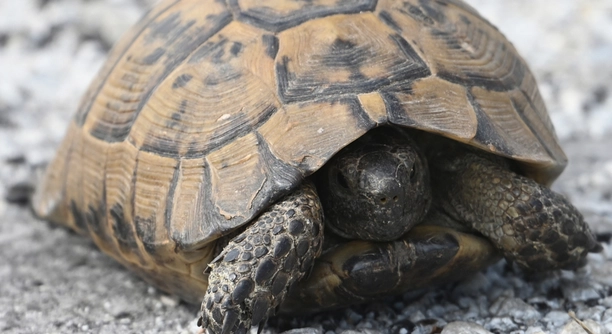
Russian tortoises are fascinating creatures, but they are susceptible to various health issues. Understanding their needs and potential problems is essential to keeping them healthy. Prevention is key to ensuring a long, happy life for your pet.
Common health problems in Russian tortoises include respiratory infections, shell rot, malnutrition, and parasites. These issues can be prevented with proper care, such as maintaining a clean habitat, providing a balanced diet, and regular vet check-ups.
By recognizing the signs of common health issues and taking preventive measures, you can protect your Russian tortoise from serious health problems.
Respiratory Infections in Russian Tortoises
Respiratory infections are one of the most common health issues in Russian tortoises. They can be caused by improper humidity levels, stress, or exposure to drafts. Symptoms include nasal discharge, wheezing, and difficulty breathing. These infections can worsen quickly, leading to serious health problems if not addressed. To prevent respiratory infections, maintain proper humidity in their habitat and avoid drastic temperature fluctuations. A consistent environment helps support their immune system. Also, ensure that their enclosure is free from drafts and that they have a clean, dry space to move around.
Providing a well-maintained environment can drastically reduce the chances of respiratory issues. Regularly monitor the temperature and humidity levels to ensure they are within the optimal range for your tortoise. This simple step will go a long way in preventing respiratory infections.
If you notice any signs of respiratory distress, take your tortoise to a vet as soon as possible. Early intervention can prevent more severe issues, ensuring your tortoise stays healthy.
Shell Rot and How to Prevent It
Shell rot is another common health issue, often caused by fungal or bacterial infections. It usually develops when a tortoise’s shell is exposed to excess moisture or improper hygiene.
To prevent shell rot, ensure your tortoise’s living area remains clean and dry. Regularly inspect their shell for any signs of damage or infection, and take immediate action if you notice any abnormal changes.
Malnutrition in Russian Tortoises
Malnutrition is a major concern for Russian tortoises, especially if they aren’t provided with a balanced diet. These tortoises need a mix of leafy greens, vegetables, and occasional fruits. Without proper nutrition, they can develop weak bones, poor shell growth, and a variety of other issues. To avoid malnutrition, ensure their diet is rich in fiber, calcium, and vitamins.
Feeding them a variety of greens, such as collard greens, dandelion greens, and mustard greens, will keep them healthy. Avoid high-fat foods like iceberg lettuce or too much fruit, as these can lead to obesity or digestive problems.
Additionally, make sure your tortoise has access to fresh water daily. A proper diet combined with adequate hydration supports their overall health and reduces the chances of malnutrition. If you’re unsure of what to feed your tortoise, consult with a vet or reptile specialist for advice.
Parasites and How to Prevent Them
Parasites are another health issue that can affect Russian tortoises, especially if they are housed in unclean environments. Internal parasites can cause weight loss, diarrhea, and overall weakness. These parasites can be contracted through contaminated food, water, or bedding.
To prevent parasites, keep your tortoise’s enclosure clean by removing waste regularly and changing the bedding as needed. Additionally, avoid feeding your tortoise unwashed or untreated foods. Always wash leafy greens thoroughly before offering them.
A good habit is to have regular check-ups with a vet who can test for parasites. If you suspect your tortoise has a parasite infection, take them to a vet for proper treatment. Keeping their living area hygienic is one of the best preventive measures against parasites.
Dehydration in Russian Tortoises
Dehydration is a serious risk for Russian tortoises, especially if they aren’t getting enough water. They can become lethargic, lose appetite, and even experience kidney problems. Ensure fresh water is always available and offer moist foods, like leafy greens, to support hydration.
If your tortoise isn’t drinking enough, you can provide water through shallow baths to encourage drinking. Ensure the water is warm enough to prevent stress. Keeping your tortoise hydrated will help them maintain healthy organ function and overall energy levels.
Overheating and Temperature Issues
Overheating can lead to stress, dehydration, and even heatstroke in Russian tortoises. Too much heat can cause them to become sluggish or lethargic, making them more prone to infections. Ensure the temperature in their enclosure stays within the optimal range.
To help your tortoise stay cool, provide areas of shade and a cool spot to retreat to. You can use a temperature-controlled basking lamp and a cooler area for your tortoise to regulate their body temperature. Regular monitoring of the heat will prevent overheating and ensure they’re comfortable.
Stress in Russian Tortoises
Stress can weaken your tortoise’s immune system, making them more susceptible to illness. Factors such as loud noises, excessive handling, or a crowded enclosure can cause stress. To prevent this, create a quiet, secure environment for your tortoise.
Limit handling to avoid overwhelming them. A stress-free habitat will support their overall health and allow them to thrive in their environment.
FAQ
What should I do if my Russian tortoise isn’t eating?
If your Russian tortoise refuses to eat, it could be due to stress, improper temperature, or illness. Start by checking the temperature in their enclosure. If it’s too hot or too cold, adjust it to the optimal range. Ensure they have access to fresh, clean food and water. If there’s no improvement, it’s time for a vet visit to rule out any underlying health issues.
How often should I bathe my Russian tortoise?
Bathing your Russian tortoise is a great way to keep them hydrated. You should bathe them once or twice a week, depending on their needs. Use shallow, lukewarm water and let them soak for 10 to 20 minutes. Avoid using too hot or cold water as it can cause stress.
Can Russian tortoises live with other pets?
Russian tortoises should generally not live with other pets, especially other reptiles, as they can become stressed. It’s best to keep them in a separate enclosure where they feel secure and can thrive. If you do choose to house them with other pets, always supervise them and ensure the other animals do not pose a threat.
How can I tell if my Russian tortoise is sick?
Signs of illness in Russian tortoises include lethargy, loss of appetite, respiratory issues (like wheezing or nasal discharge), and abnormal stool. A swollen or soft shell, limping, or changes in their skin color can also indicate a problem. If you notice any of these signs, seek veterinary care immediately.
What type of diet is best for Russian tortoises?
A balanced diet is key to a healthy Russian tortoise. They need a variety of leafy greens like dandelion greens, kale, and collard greens. Offer occasional vegetables like bell peppers and squash, and limit fruit intake. Avoid high-fat foods like iceberg lettuce, as they can cause health issues.
Is it normal for my Russian tortoise to hibernate?
Yes, Russian tortoises naturally go through a period of dormancy in colder months, especially in the wild. However, if your tortoise is kept in a controlled environment, they may not hibernate. If you want to encourage hibernation, make sure they have a proper temperature drop. Always consult a vet before letting them hibernate.
How can I make sure my Russian tortoise has enough space?
Russian tortoises need a spacious habitat to roam and explore. An enclosure that is at least 4 feet by 2 feet for one tortoise is ideal. Provide hiding spots, a basking area, and a cooler area for them to move between. The more space they have, the healthier they will be.
Can I use a heat lamp for my Russian tortoise’s enclosure?
Yes, heat lamps are essential for providing the correct basking temperature for your Russian tortoise. Ensure the basking spot reaches around 95°F, while the cooler side of the enclosure should stay around 75°F. A UVB light is also important to help them metabolize calcium and promote overall health.
What should I do if my Russian tortoise’s shell looks soft?
A soft shell is a sign of calcium deficiency or improper care. Ensure your tortoise has access to calcium-rich food and consider supplementing with calcium powder. Proper lighting, especially UVB light, is crucial for shell health as it helps with calcium absorption. Consult a vet if you see persistent softening.
How can I keep my Russian tortoise’s enclosure clean?
To keep your tortoise’s enclosure clean, remove waste daily and replace the bedding regularly. Spot clean the enclosure each day and do a deeper cleaning weekly. Make sure their food is fresh and free of pesticides. Keeping the habitat clean is key to preventing diseases and ensuring a healthy environment.
Can I take my Russian tortoise outside?
Yes, Russian tortoises can spend time outdoors, but only in safe, enclosed areas. Ensure there are no predators or harmful chemicals. Outdoor time can help them get natural sunlight and exercise, which is great for their health. Just make sure to supervise them and bring them back inside during extreme weather.
Why is my Russian tortoise’s shell cracking?
Cracking or damage to a tortoise’s shell can be caused by poor nutrition, insufficient UVB light, or trauma. Make sure your tortoise has a balanced diet with enough calcium and vitamin D. If the cracking is severe or ongoing, seek veterinary care to prevent further damage or infection.
How can I prevent my Russian tortoise from getting parasites?
To prevent parasites, make sure to provide a clean environment. Change bedding regularly and clean their food and water bowls. Avoid feeding them food that could be contaminated, and always wash any greens thoroughly. Regular vet check-ups are also recommended to catch any issues early.
Final Thoughts
Taking care of a Russian tortoise can seem daunting at first, but with proper care and attention, these fascinating creatures can thrive in your home. From understanding their dietary needs to providing the right habitat, it’s important to create an environment that promotes their overall health. Consistent care, proper hydration, and temperature regulation will go a long way in ensuring your tortoise stays healthy. Regularly check for signs of stress or illness, and act quickly if any issues arise. By learning about common health problems, you can prevent them from becoming more serious down the road.
Preventing health issues is always easier than treating them. Ensuring your tortoise has access to a balanced diet, plenty of space, and proper care is essential for their well-being. Monitor their behavior, and pay attention to changes in their eating or resting habits. A sudden drop in appetite or lethargy could indicate a problem that needs immediate attention. Keeping the enclosure clean and providing fresh food and water daily will help prevent many of the health issues that can arise. Don’t forget to regularly check on their shell, as a healthy shell is a clear sign of a healthy tortoise.
By staying on top of your Russian tortoise’s needs, you can provide a long, happy life for your pet. Regular vet visits are important for monitoring their health, especially if you notice any changes. With the right care, your tortoise can live for many years, enjoying a peaceful and healthy life. Remember that every tortoise is unique, and it’s important to adjust their care based on their individual needs. With patience and attention, you’ll be able to enjoy a rewarding relationship with your Russian tortoise for years to come.

Hello,
If you enjoy the content that we create, please consider saying a "Thank You!" by leaving a tip.
Every little bit helps us continue crafting quality advice that supports the health, happiness, and well-being of pets around the world, for pets of all shapes, sizes, and species.
We really appreciate the kindness and support that you show us!