
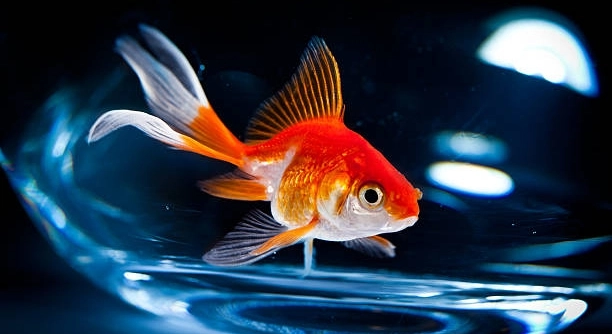
Goldfish are popular pets, but like any animal, they can face health problems. It’s important to recognize the signs of illness to provide proper care. Knowing what to look for can keep your goldfish healthy and happy.
Goldfish are prone to a variety of diseases, including parasitic infections, bacterial issues, and skin conditions. Proper treatment includes maintaining good water quality, quarantining sick fish, and using appropriate medications to target specific diseases.
Learning about common goldfish diseases helps you act quickly. By identifying symptoms early, you can treat them effectively and avoid long-term health problems for your fish. Keep reading to discover how to care for your goldfish and prevent illness.
Ichthyophthirius Multifiliis (Ich)
Ich is one of the most common diseases affecting goldfish. It’s caused by a parasite that appears as small white spots on the fish’s skin, gills, and fins. Goldfish infected with Ich often swim erratically, rub against objects, and show signs of stress. This disease is highly contagious and can spread quickly, especially in aquariums with multiple fish.
If your goldfish has Ich, it’s essential to act quickly. Increase the water temperature in the tank, as warmer water speeds up the parasite’s life cycle, making treatment more effective. There are many over-the-counter medications designed specifically for treating Ich. Be sure to follow the instructions carefully to avoid harming your fish.
You can also add aquarium salt to the water to help your goldfish recover. However, keep in mind that not all fish species tolerate salt, so do research before using it in your tank. Quarantining the infected fish can prevent the disease from spreading to others. The quicker you start treatment, the better the chance of recovery.
Fin Rot
Fin rot is another common goldfish condition. It occurs when bacteria damage the fins, causing them to decay and look frayed or discolored. Poor water quality is often the main cause of this condition.
If your goldfish has fin rot, it’s important to clean the tank thoroughly. Start by checking the water parameters, ensuring the ammonia and nitrite levels are low, and the water is properly filtered. You may need to change the water regularly during the treatment process.
Medications specifically for fin rot can be used, but make sure to remove any uneaten food to prevent water contamination. In more severe cases, the infection can spread to the body, causing further complications. Proper water maintenance and good tank hygiene are the best ways to prevent this issue.
Swim Bladder Disease
Swim bladder disease affects the fish’s ability to maintain buoyancy. This condition often results in the fish floating upside down or sinking to the bottom of the tank. Overfeeding or sudden temperature changes are common causes.
If your goldfish is struggling with swim bladder disease, reduce the amount of food you give and avoid feeding them for a couple of days. After that, feed them a small amount of peas, as they help clear the digestive system. Adjusting the water temperature slightly can also help ease the symptoms.
In some cases, swim bladder disease can be a sign of more serious issues like internal infections or injury. If symptoms persist, consider consulting a vet to rule out underlying causes. Keeping your tank clean and ensuring proper water quality will also reduce the chances of recurrence.
Velvet Disease
Velvet disease is caused by a protozoan parasite that leaves a gold or rust-colored film on your fish’s skin, often accompanied by heavy breathing. It’s a fast-spreading condition that can be deadly if left untreated.
To treat velvet disease, you’ll need to increase the tank’s water temperature gradually and use copper-based medications designed for parasitic infections. Make sure to follow all the instructions on the medication carefully. During treatment, ensure that the tank is kept dark, as the parasite thrives in light.
Maintaining proper water quality is essential to prevent velvet from spreading. Quarantine any infected fish to avoid contamination of healthy ones. Regular water changes and proper filtration will also help your goldfish stay healthy and resist future infections.
Dropsy
Dropsy is a serious condition characterized by swelling in a goldfish’s body due to fluid retention. The fish may appear bloated, with scales sticking out like a pinecone. Bacterial infections or kidney failure are often the cause.
Treatment for dropsy is difficult, as it often indicates an underlying issue. Quarantining the affected fish and using antibiotics may help, but success depends on the cause. Adding aquarium salt can aid in reducing swelling, but it should be used with caution. Regular water changes are crucial to avoid further stress to your goldfish.
Costia
Costia is a microscopic parasite that can infect goldfish, leading to skin damage, increased mucus production, and severe irritation. It typically occurs when the water temperature is too high or when water quality is poor.
Treatment involves lowering the water temperature and using a formalin-based medication. Keep the water clean and well-filtered during treatment. It’s essential to quarantine any infected fish to prevent the disease from spreading. Additionally, maintaining good water quality is the key to preventing future outbreaks of Costia. Regular tank maintenance will help your fish stay healthy and resistant to infections.
FAQ
How can I tell if my goldfish is sick?
Goldfish show various signs when they’re sick. Common symptoms include loss of appetite, unusual swimming patterns, faded color, excessive rubbing against tank objects, or white spots on the skin. If you notice any of these signs, it’s important to check the water quality and isolate the affected fish to prevent the disease from spreading.
What is the best way to treat goldfish diseases?
The best treatment depends on the disease your goldfish has. Generally, it involves isolating the sick fish, maintaining good water quality, and using medications designed for specific conditions. Always follow medication instructions carefully, and don’t forget to maintain tank cleanliness during the process. A proper diagnosis will lead to the most effective treatment.
Can goldfish recover from Ich?
Yes, goldfish can recover from Ich if treated early. Increasing the water temperature and using over-the-counter Ich medications are effective methods. Additionally, ensure you remove any uneaten food from the tank and perform water changes to reduce the parasite load. Quarantining the infected fish will help prevent the spread of the disease.
How do I prevent goldfish diseases?
Preventing diseases in goldfish starts with maintaining proper water quality. Regular water changes, filtering, and testing for ammonia and nitrite levels will keep your goldfish healthy. Avoid overfeeding, as this can lead to water contamination. Also, quarantine any new fish before introducing them to your tank to reduce the risk of introducing parasites or infections.
What should I do if my goldfish is floating upside down?
If your goldfish is floating upside down, it may be suffering from swim bladder disease. First, stop feeding them for a couple of days and then feed them a small amount of peas, as they can help clear their digestive system. If symptoms persist, check water temperature and quality and consider isolating the fish for further treatment.
How can I treat fin rot in goldfish?
Treating fin rot requires improving water conditions. Perform regular water changes and ensure your filtration system is working well. Use antibiotics or antifungal treatments designed for fin rot, and remove any uneaten food to prevent further contamination. If the infection is severe, consider consulting a veterinarian for more advanced treatment options.
Is it safe to use salt in the aquarium for treating diseases?
Aquarium salt can be beneficial for treating certain conditions, such as external parasites and wounds. However, not all fish species tolerate salt, so it’s essential to check whether your goldfish can handle it. When using salt, make sure to follow recommended dosages to avoid harming your fish.
Why does my goldfish have clamped fins?
Clamped fins often indicate that a goldfish is stressed or sick. Stress can be caused by poor water quality, overcrowding, or other fish bullying the goldfish. If your fish shows clamped fins, check the water parameters and ensure your tank environment is peaceful and well-maintained. In some cases, it may also be a sign of a parasitic or bacterial infection.
How can I treat velvet disease in my goldfish?
Velvet disease requires a copper-based treatment to target the parasite. Increase the water temperature slightly, but be cautious not to shock your fish. Keep the aquarium dark, as the parasite thrives in light. Regular water changes and quarantining the infected fish will help prevent the disease from spreading.
Can goldfish get stressed?
Yes, goldfish can get stressed. Stress can be caused by poor water quality, sudden temperature changes, overcrowding, or incompatible tank mates. To reduce stress, make sure your tank is well-maintained and that your goldfish have enough space to swim. Providing hiding spots or plants can also help them feel secure.
How often should I change the water in my goldfish tank?
Water changes should be done regularly, typically once a week or bi-weekly, depending on the size of your tank and the number of goldfish. It’s important to remove about 25-30% of the water during each change and replace it with fresh, treated water. Regular water changes help maintain a healthy environment and prevent the buildup of toxins.
What can cause my goldfish to lose its color?
A loss of color in goldfish can be caused by stress, poor water quality, or illness. Nutrient deficiencies, especially a lack of proper carotenoids, can also contribute to fading. Ensure your goldfish are getting a balanced diet, and check that the water conditions are optimal. If the problem persists, seek advice from a vet.
How do I know if my goldfish has a bacterial infection?
Bacterial infections often cause swelling, discolored patches, lesions, or frayed fins. If your goldfish shows these signs, quarantine it immediately and begin using antibacterial treatment. Maintaining good water quality will help prevent infections from taking hold. If symptoms worsen, a visit to a vet is recommended for a proper diagnosis.
Is it okay to keep different types of goldfish together?
Different types of goldfish can generally live together, but there are a few considerations. Make sure that the sizes and swimming speeds of the goldfish are compatible. Some varieties, like fancy goldfish, are slower and may have difficulty competing for food with faster, more active types. Overcrowding can also lead to stress, so ensure there’s enough space for each fish.
Can goldfish get parasites from other fish?
Yes, goldfish can get parasites from other fish. When introducing new fish to your aquarium, it’s important to quarantine them for a few weeks to ensure they are free from any parasites or infections. Maintaining proper water conditions and avoiding overcrowding will also help reduce the risk of parasite infestations.
Final Thoughts
Taking care of goldfish involves more than just feeding them and keeping their tank clean. It’s important to stay alert for signs of illness and understand the different diseases that can affect them. Goldfish are sensitive creatures, and their health can quickly be impacted by poor water quality or environmental stressors. Regular monitoring of water conditions and proper tank maintenance is essential for preventing many common goldfish diseases. By knowing the symptoms and how to treat them, you can keep your fish healthy and happy for years to come.
In addition to maintaining the right water quality, understanding the needs of your specific type of goldfish is crucial. Different goldfish varieties have different care requirements, and making sure their environment suits them will help minimize health problems. Whether you have a common goldfish or a fancy variety, each fish may respond differently to stress, temperature changes, and feeding. Learning about the specific needs of your goldfish can make a big difference in how well they thrive in their aquarium.
Goldfish care is an ongoing process, and it’s important to stay informed. Even if your goldfish seems healthy, routine maintenance and vigilance are key to spotting issues before they become serious problems. If you’re ever unsure about a health issue, consulting a vet or doing further research can help guide you. With the right knowledge and commitment, your goldfish can live a long, healthy life, free from common diseases and discomfort.

Hello,
If you enjoy the content that we create, please consider saying a "Thank You!" by leaving a tip.
Every little bit helps us continue crafting quality advice that supports the health, happiness, and well-being of pets around the world, for pets of all shapes, sizes, and species.
We really appreciate the kindness and support that you show us!