
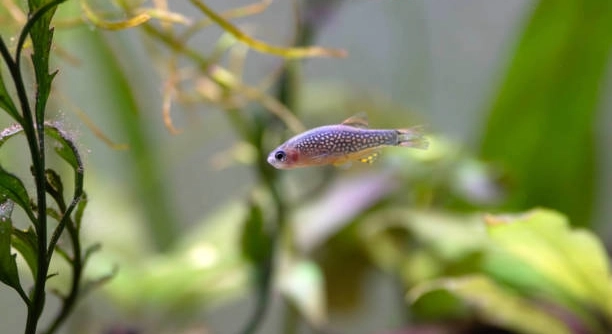
Do you ever notice that your fry are not growing as quickly as expected or seem less active in their tank? Many fish owners encounter feeding difficulties that can affect their fry’s development and overall health.
Common fry feeding problems often arise from incorrect food type, improper feeding frequency, water quality issues, or competition among fry. Addressing these factors with precise adjustments ensures optimal growth, prevents malnutrition, and maintains a stable aquatic environment for young fish.
Understanding the causes of feeding challenges can save time and improve your fry’s survival rate. Proper techniques will help establish a healthier and more productive tank environment.
Overfeeding Fry
Overfeeding is a common mistake, especially for new fish keepers. Fry have small stomachs, and giving too much food can quickly pollute the tank. Excess food decomposes, raising ammonia levels and harming water quality. This can stress fry, slow their growth, and even lead to disease. A simple rule is to feed only what they can consume in a few minutes, two to three times a day. Observing their behavior helps; if food remains uneaten, reduce the amount next time. Using a pipette or small spoon allows precise portioning, which is easier than scattering flakes. Some owners prefer live or frozen foods in measured quantities. Variety is important, but the quantity must be controlled. Maintaining consistent feeding times and amounts helps fry develop regular eating habits. By managing portions carefully, you can prevent unnecessary tank pollution and support healthy growth for your fry over time.
Controlling food quantity improves water quality and fry health, reducing stress and promoting steady growth.
Small, frequent feedings work best. Avoid leaving leftover food in the tank, as it can harm fry and water balance.
Using the Wrong Food
Providing food that is too large or unsuitable can hinder fry development. Fry need tiny, easily digestible meals that match their mouth size. Using adult fish flakes or pellets often results in wasted food and undernourished fry. Many aquarists choose finely crushed flakes, powdered fry food, or newly hatched brine shrimp to ensure proper nutrition. Protein content is critical for rapid growth during the early stages, while certain vitamins support organ development and immune function. Rotating food types helps prevent nutrient deficiencies, but it must remain appropriate for the fry’s size. Feeding too large particles can frustrate fry and reduce overall intake, so careful observation is necessary. Adjust food size as fry grow to match their increasing ability to consume larger particles. Keeping water clean during feeding is also essential, as decaying food can worsen water quality and increase the risk of disease. Monitoring growth and adjusting food type over time ensures healthy fry development and consistent growth rates.
Correct food choices directly impact growth, survival, and vitality of your fry. Proper sizing and nutrition keep them strong and active.
Infrequent Feeding
Feeding fry too rarely can slow their growth and weaken their immune system. Small, frequent meals are essential to keep them healthy and active.
Fry have fast metabolisms, so infrequent feeding often leads to undernourishment. Missing meals can stunt growth and increase susceptibility to disease. Regular feeding ensures they get enough protein and nutrients for proper development. Many aquarists feed fry two to three times daily, offering only what can be eaten within a few minutes. Timing consistency also helps fry recognize feeding periods and reduces competition among them. Observing how quickly they consume food allows for adjustments in portion size and frequency. A steady feeding schedule supports strong growth and reduces stress in the tank.
Infrequent feeding can also cause aggressive behavior as fry compete for limited food. Maintaining a proper feeding routine improves tank harmony and overall fry health.
Uneven Competition
Some fry grow faster and dominate food sources, leaving weaker fry underfed. Separating fry by size or using targeted feeding can reduce this problem.
Uneven competition can significantly affect survival rates and growth consistency. Larger fry often consume most of the available food, preventing smaller individuals from receiving adequate nutrition. Using feeding tools like pipettes, or feeding in multiple areas of the tank, ensures that all fry have access to meals. In some cases, partial separation by size may be necessary to prevent slower fry from being left behind. Monitoring the tank regularly helps identify aggressive feeders and adjust feeding techniques. Creating a more balanced feeding environment encourages even growth and strengthens weaker fry. Consistent observation and intervention can prevent malnutrition and ensure the entire group thrives.
Adjusting feeding methods based on fry behavior helps maintain fair access to food and promotes healthier development for all individuals in the tank.
Poor Water Quality
Dirty water reduces oxygen levels and can stress fry, affecting their appetite and growth. Regular water changes and filtration are essential to maintain a healthy environment.
Ammonia and nitrite spikes are especially dangerous for fry. Monitoring water parameters and removing uneaten food promptly helps prevent harmful buildup and supports overall fry health.
Food Sinking Too Quickly
If food sinks immediately, fry may not reach it in time, leaving many unfed. Using floating or slow-sinking food allows easier access and reduces waste.
Overcrowding
Too many fry in one tank increases competition and stress, which can slow growth and increase disease risk. Limiting tank population ensures better feeding opportunities and healthier development.
FAQ
What is the best type of food for fry?
Fry require small, easily digestible food. Newly hatched brine shrimp, powdered fry food, and finely crushed flakes are ideal. Protein-rich meals promote growth, while vitamins support immune function and organ development. Rotate food types as they grow, but always match particle size to their mouth.
How often should I feed my fry?
Fry need small, frequent meals to support rapid growth. Feeding two to three times daily is usually sufficient. Observe how much they can eat in a few minutes and adjust portions accordingly. Overfeeding can harm water quality, while underfeeding can stunt growth.
Can I feed adult fish food to fry?
Adult fish food is generally too large and dense for fry. Using it can result in wasted food and poor nutrition. If necessary, crush flakes into fine powder and monitor whether fry can consume it completely without leftover pieces falling to the bottom.
How do I prevent stronger fry from eating all the food?
Uneven feeding can be controlled by feeding in multiple areas of the tank, using pipettes, or separating fry by size. Ensuring smaller fry have access reduces competition and promotes even growth. Observation is key to adjust feeding methods over time.
Why do some fry refuse to eat?
Refusal to eat can result from stress, poor water quality, or inappropriate food size. Check water parameters and provide small, easy-to-consume meals. Stress reduction and optimal feeding conditions encourage fry to eat consistently.
What are signs of overfeeding?
Overfed fry often leave uneaten food, which pollutes the tank and can increase ammonia levels. Water may appear cloudy, and fry can become lethargic. Adjust portion sizes to what they can consume in minutes and maintain regular water changes to prevent issues.
How does water quality affect feeding?
Poor water quality reduces fry appetite and growth. Ammonia, nitrite, or nitrate buildup can be toxic. Regular testing, water changes, and removing leftover food maintain a healthy environment and promote active feeding. Healthy water ensures better nutrient absorption and survival.
Should I separate fry by size?
Separating fry by size is sometimes necessary if larger fry dominate food sources. This prevents smaller fry from being underfed and stressed. It also ensures more even growth and reduces aggressive behavior among individuals.
How do I know if my fry are getting enough nutrition?
Healthy fry are active, grow steadily, and display normal coloration. Uneaten food, slow growth, or weak behavior indicates insufficient nutrition. Adjust feeding frequency, portion sizes, and food type to meet their needs. Monitoring growth and behavior is critical for long-term health.
Can live food improve growth?
Live food such as newly hatched brine shrimp can enhance fry growth and stimulate feeding. It provides natural movement that encourages fry to eat. Combining live food with powdered or crushed flakes ensures a balanced diet and supports overall development.
How do I feed fry in a crowded tank?
In crowded tanks, spread food across multiple points, reduce fry density if possible, or feed in shifts to allow smaller fry to access food. Targeted feeding prevents dominant fry from consuming all resources, ensuring fair nutrition distribution and promoting healthier growth.
What is the ideal feeding schedule for different stages of fry growth?
Newly hatched fry need tiny meals several times daily, while older fry can gradually handle larger portions with slightly less frequency. Adjust food type and size as they grow, and maintain consistent timing to support digestion and development.
How can I reduce food waste in the tank?
Feed only what fry can eat in a few minutes, remove leftovers promptly, and choose slow-sinking or floating foods. Using feeding tools like pipettes or spoons allows precise portion control, which reduces decay and maintains better water quality.
Are there supplements that benefit fry?
Vitamins and mineral-enriched foods can support immune function and growth. Use supplements designed for fry, and avoid overdosing, as excess nutrients can harm water quality. Consistent monitoring ensures a balanced diet without risking tank health.
How do I transition fry to adult food?
Gradually introduce finely crushed adult food as fry grow. Monitor whether they can consume it fully before increasing the amount. Maintaining small, digestible meals during the transition prevents malnutrition and ensures they adapt smoothly to larger food types.
What is the impact of temperature on feeding?
Temperature affects metabolism. Cooler water slows digestion and reduces appetite, while slightly warmer, stable temperatures increase feeding activity. Avoid sudden fluctuations, as stress can lead to reduced feeding or illness. Maintaining consistent temperature helps fry eat and grow reliably.
Can frozen food be used for fry?
Frozen food is suitable if thawed and offered in small, manageable portions. Many types, such as baby brine shrimp or microworms, provide good nutrition. Ensure food is fresh and free from ice chunks to prevent ingestion issues.
How do I know when to stop feeding for the day?
Observe fry eating behavior. Stop feeding when most food has been consumed within a few minutes. Excess leftovers indicate that portions are too large. Consistent observation prevents overfeeding, maintains water quality, and supports healthy fry growth.
What happens if fry do not get proper nutrition early on?
Inadequate early nutrition can lead to stunted growth, weak immunity, and higher mortality rates. Early-stage feeding directly affects long-term health, activity, and survival. Providing consistent, appropriate meals ensures fry develop properly and reduces complications later.
How important is feeding variety for fry?
Variety ensures balanced nutrition, preventing deficiencies in protein, vitamins, and minerals. Rotating live, frozen, and powdered foods encourages growth and supports immune health. Gradually introducing new food types helps fry adapt while maintaining consistent energy intake.
How do I handle uneaten food safely?
Remove uneaten food promptly with a siphon or net to prevent decomposition. Leftover food raises ammonia and nitrite levels, harming fry. Cleaning the tank regularly during feeding periods maintains water quality and reduces stress for all fry.
How can I encourage shy fry to eat?
Offer small portions in calm areas of the tank and use slow-sinking or floating food. Reducing tank disturbances and providing multiple feeding points encourages hesitant fry to access meals and ensures consistent growth.
What signs indicate fry are overfed?
Cloudy water, leftover food, sluggish movement, and rapid ammonia increases suggest overfeeding. Adjust portions, reduce feeding frequency if needed, and ensure regular water changes to restore balance and protect fry health.
How long does it take for fry to establish regular feeding habits?
Most fry develop consistent eating patterns within the first few weeks. Maintaining frequent, small meals, monitoring consumption, and providing appropriate food encourages regular feeding behavior, reduces stress, and supports steady growth.
Can feeding mistakes be corrected later?
Yes, most mistakes can be mitigated by adjusting portion sizes, food types, and feeding frequency. Maintaining water quality and observing fry closely helps restore proper nutrition and supports recovery from early-stage feeding issues.
What is the safest way to introduce live food?
Introduce live food gradually, offering small amounts to avoid overfeeding. Ensure it is clean and free from parasites or harmful organisms. Observing fry responses helps determine the right portion and feeding method for safe consumption.
How do I know if my fry food is fresh?
Fresh food should not have a strong odor or discoloration. Powdered or frozen foods should be stored properly to avoid contamination. Using fresh food ensures nutrients remain intact and reduces the risk of water pollution.
Is it okay to skip a feeding if I am busy?
Occasional missed feedings are usually tolerable, but consistent skipping can stunt growth and stress fry. Planning feeding times or using automated feeders ensures regular meals and prevents nutritional deficiencies.
What is the role of vitamins in fry growth?
Vitamins support immune system development, organ function, and overall growth. Providing a balanced diet that includes essential vitamins ensures fry remain healthy and resilient to environmental stressors. Supplements may be used cautiously if natural food lacks nutrients.
How can I monitor growth effectively?
Regularly observe fry size, activity, and color. Measuring growth trends over time indicates whether feeding practices are effective. Early detection of slow growth or underfeeding allows adjustments to food type, quantity, and frequency to maintain healthy development.
How important is water movement during feeding?
Moderate water movement helps distribute food evenly, allowing all fry access. Too strong a current may push food away, while stagnant water can lead to uneaten food accumulation. Adjust flow to balance feeding and water quality.
Can fry survive on a single type of food?
Relying on one food type may lead to nutrient deficiencies. A combination of powdered, frozen, and live foods ensures balanced nutrition, supporting growth, immunity, and long-term survival. Gradual rotation helps fry adapt without stress.
How do I transition fry from frequent to fewer feedings?
As fry grow, gradually reduce feeding frequency while increasing portion size slightly. Monitor growth and adjust based on consumption patterns. A smooth transition prevents hunger, maintains health, and reduces the risk of water quality issues.
Is it necessary to remove fry during water changes?
Small water changes can be done without removing fry, but larger changes may require temporary relocation. Use gentle methods to prevent stress. Maintaining water quality is critical for feeding efficiency and fry development.
How long should each feeding session last?
Fry should consume all food within a few minutes. Feeding beyond this can lead to leftovers, pollution, and stress. Short, controlled feeding sessions maintain water quality and ensure fry get adequate nutrition.
What common mistakes should I avoid when feeding fry?
Avoid overfeeding, underfeeding, using inappropriate food sizes, inconsistent schedules, and ignoring water quality. Observing fry behavior, monitoring tank conditions, and adjusting feeding practices prevents health problems and supports steady growth.
How do I choose between live, frozen, or powdered food?
Consider fry size, tank conditions, and nutrient needs. Live food encourages natural feeding behavior, frozen food offers convenience and nutrition, and powdered food is easy to control. Using a mix ensures balanced diet and proper growth.
What is the role of feeding tools?
Pipettes, spoons, or feeding rings allow precise food delivery, prevent waste, and target smaller fry. These tools reduce competition, maintain water quality, and improve growth consistency. Regular observation ensures proper use.
How do I know if my fry are stressed during feeding?
Signs include rapid darting, hiding, reduced feeding, or pale coloration. Stress can be caused by poor water, overcrowding, or aggressive tankmates. Adjust feeding methods and tank conditions to reduce stress and encourage normal behavior.
Can fry survive if feeding frequency is inconsistent?
Inconsistent feeding may slow growth, weaken immunity, and cause aggressive behavior. Maintaining regular, small feedings ensures proper development and reduces risks associated with missed meals. Monitoring consumption helps maintain stability.
What temperature is optimal for fry feeding?
Most tropical fry feed best at stable temperatures around 24–28°C (75–82°F). Sudden changes can reduce appetite or cause stress. Maintaining consistent warmth supports metabolism and active feeding behavior.
How do I reduce the risk of disease during feeding?
Use clean food, maintain water quality, and avoid overfeeding. Regular observation and proper nutrition strengthen immune systems. Minimizing contamination and ensuring consistent conditions lowers disease risk and promotes healthy growth.
How long should I monitor fry after feeding?
Observing fry for 10–15 minutes after feeding ensures all food is consumed and identifies potential issues like slow eaters or leftover food. Immediate adjustments maintain water quality and ensure equitable feeding for all fry.
Is it necessary to use separate containers for different fry species?
Different species may have varied feeding needs and behaviors. Separating species prevents competition, ensures appropriate nutrition, and reduces stress. Adjust tank conditions to match species requirements for optimal growth.
How important is portion control for fry feeding?
Proper portion control prevents overfeeding, water pollution, and uneven growth. Small, measured meals promote consistent development, maintain tank health, and reduce the risk of stress or disease among fry.
How do I handle aggressive fry during feeding?
Feed in multiple areas, separate larger individuals if needed, and observe tank dynamics. Reducing competition ensures smaller fry receive adequate nutrition and maintains a balanced feeding environment.
Can fry thrive on a vegetarian diet?
Most fry require protein for growth, making a purely vegetarian diet insufficient. Some algae-based foods supplement nutrition, but balanced protein sources remain essential for proper development. Monitoring growth ensures diet adequacy.
What is the ideal water depth for feeding fry?
Shallow to moderate depths allow fry to access food easily. Deep water may make it harder for small fry to reach meals, while shallow tanks improve visibility and reduce uneaten food accumulation.
How do I prevent leftover food from contaminating water?
Feed only what fry can consume in minutes, remove excess immediately, and maintain proper filtration. Quick cleanup reduces ammonia buildup, supports fry health, and preserves water quality.
How often should I change water during heavy feeding periods?
During frequent feeding, partial water changes every 1–2 days help maintain optimal water quality. Removing uneaten food and replacing contaminated water prevents toxins from accumulating and keeps fry active.
How do I know if fry are hungry or stressed?
Active, responsive fry indicate hunger, while hiding, slow movement, or refusal to eat suggests stress. Adjust feeding amounts, schedule, or tank conditions to maintain proper health and encourage consistent feeding behavior.
Can automated feeders be used for fry?
Yes, but settings must match fry’s small portions. Overfeeding can occur if intervals or amounts are too large. Regular observation ensures automation supports consistent feeding without harming water quality.
Is it necessary to adjust feeding during breeding season?
Fry feeding requirements may increase during breeding, as more frequent and nutrient-rich meals support growth. Monitor appetite and adjust portions accordingly to maintain healthy development and prevent competition stress.
How do I store fry food properly?
Keep powdered, frozen, or live food in cool, dry conditions. Avoid moisture, contamination, and prolonged storage to preserve nutrients and prevent spoilage. Proper storage ensures safe and effective feeding.
What is the effect of sudden diet changes on fry?
Sudden changes can stress fry, reduce appetite, and cause digestive issues. Gradual transitions help fry adapt without compromising growth or health. Consistency in portion size and frequency supports smooth adaptation.
Can fry survive on only live food?
Live food supports growth but may not provide complete nutrition. Combining live food with powdered or frozen meals ensures a balanced diet, supporting proper development and long-term survival.
How do I balance feeding multiple fry species in one tank?
Feed according to the most sensitive species’ needs, adjust food size, and observe consumption. Targeted feeding and multiple feeding locations reduce competition and ensure all fry receive adequate nutrition.
How do I recognize when fry are full?
Fry stop actively chasing food and swim calmly after consuming their portion. Observing behavior helps determine portion sizes, preventing overfeeding and maintaining water quality.
What role does tank setup play in feeding success?
Plants, hiding spots, and appropriate water flow influence fry access to food and reduce stress. Balanced setup supports natural feeding behavior and ensures equitable nutrition distribution.
How can I prevent food from clumping and sinking too fast?
Use slow-sinking or floating food, disperse in multiple spots, and pre-soak flakes if necessary. Proper distribution ensures all fry can access food and reduces waste at the bottom of the tank.
How do I manage feeding in mixed-age tanks?
Feed smaller fry separately or in designated areas to prevent larger individuals from dominating food. Adjust portion size and frequency based on size to support balanced growth for all ages.
What is the effect of light on fry feeding?
Moderate light encourages activity and visibility of food. Too bright or dim conditions can reduce feeding efficiency and stress fry. Maintain a consistent light cycle for optimal feeding behavior.
How long does it take for fry to adapt to new food types?
Adaptation typically occurs over several days. Introduce new foods gradually, monitor consumption, and adjust portions. Gradual changes reduce stress and ensure fry receive adequate nutrition during transition.
Can feeding frequency change with water temperature?
Yes, cooler water slows metabolism, requiring smaller or fewer meals, while warmer water increases appetite. Adjust feeding schedules to match water conditions for consistent growth and health.
How important is observation during feeding?
Careful observation allows early detection of uneaten food, competition issues, or stressed fry. Adjusting feeding practices based on behavior ensures balanced nutrition, healthier fry, and cleaner water conditions.
How do I handle fry that are picky eaters?
Offer a variety of foods in small amounts, use slow-sinking or floating types, and monitor preferences. Gradually introduce new options while maintaining familiar foods to ensure adequate nutrition and steady growth.
Can fry survive with irregular feeding amounts?
Irregular amounts risk malnutrition or stunted growth. Consistency in portion size and frequency is critical to ensure all fry develop properly and maintain overall health. Observing consumption patterns helps maintain reliable feeding practices.
How do I make sure fry get all necessary nutrients?
Provide a balanced mix of protein-rich, vitamin-enriched, and live foods. Rotating food types and monitoring growth ensures fry receive essential nutrients for immune function, organ development, and overall vitality.
How do I reduce stress during feeding?
Feed in calm, consistent environments with multiple food points. Avoid sudden movements, overcrowding, or poor water conditions. Reducing stress improves appetite, promotes even growth, and supports healthier fry.
What is the effect of overfeeding on fry behavior?
Overfeeding can make fry sluggish, increase aggression, and cause uneaten food to pollute the tank. Maintaining portion control and proper frequency supports active behavior, balanced growth, and better overall health.
How do I know if fry are receiving enough protein?
Healthy growth, active swimming, and bright coloration indicate sufficient protein intake. Poor growth, lethargy, or pale color suggest protein deficiency. Adjust diet with protein-rich foods like brine shrimp or powdered fry formulas.
How often should fry food be replaced?
Powdered or frozen food should be replaced regularly to maintain freshness and nutrient content. Stale food can reduce growth efficiency and risk water contamination. Proper storage and timely replacement ensure optimal feeding quality.
What are signs of nutrient deficiency in fry?
Slow growth, pale coloration, weak swimming, or deformities can indicate deficiencies. Adjust diet with balanced protein, vitamins, and minerals. Early detection allows corrective feeding practices to support healthy development.
How do I introduce frozen food safely?
Thaw small portions before offering, ensure pieces are bite-sized, and remove excess after feeding. This prevents ingestion problems, maintains water quality, and ensures fry receive proper nutrition without contamination.
Can fry eat at night?
Many fry feed during daylight, but some species accept night feeding under dim light. Adjust feeding schedule based on species behavior to ensure adequate nutrition while minimizing stress and competition.
How do I prevent mold or bacteria in fry food?
Store food in dry, clean containers, avoid moisture, and discard old or
Fry feeding can be challenging, especially for those who are new to fishkeeping. Proper feeding directly impacts their growth, survival, and overall health. Many common problems arise from overfeeding, underfeeding, using the wrong food type, or not paying attention to water quality. Each of these issues can be addressed with careful observation, adjustment of feeding schedules, and appropriate food choices. By learning how to manage these factors, you can create a stable and healthy environment where fry have the best chance to grow into strong, healthy fish. Consistency is key, and establishing a routine makes it easier to maintain a balanced feeding system.
Understanding the individual needs of your fry is also important. Different species, sizes, and ages may require varying food types and feeding frequencies. Younger fry have smaller stomachs and higher metabolism, meaning they need smaller, more frequent meals. Larger fry can handle slightly bigger portions, but overfeeding can still be dangerous. Observing how your fry respond to each feeding and adjusting accordingly helps prevent issues like competition, leftover food, and water pollution. Water quality must always be monitored alongside feeding practices because even the best diet cannot compensate for poor tank conditions. Small changes, like using slow-sinking food, feeding in multiple locations, or separating larger fry from smaller ones, can make a significant difference in overall health and growth consistency.
Feeding fry successfully is a combination of proper planning, patience, and careful attention to detail. Mistakes can happen, but they are manageable with observation and adjustments. Maintaining clean water, controlling food portions, choosing appropriate food types, and understanding your fry’s behavior all contribute to a successful feeding routine. The small time and effort invested in monitoring feedings, adjusting schedules, and ensuring equitable access to food will pay off in healthier, more active, and well-developed fry. By following these practices, you can support long-term growth, reduce stress, and prevent common problems that affect young fish. With consistency and careful management, fry feeding becomes a straightforward part of caring for your aquarium, helping ensure a thriving aquatic environment.

Hello,
If you enjoy the content that we create, please consider saying a "Thank You!" by leaving a tip.
Every little bit helps us continue crafting quality advice that supports the health, happiness, and well-being of pets around the world, for pets of all shapes, sizes, and species.
We really appreciate the kindness and support that you show us!