
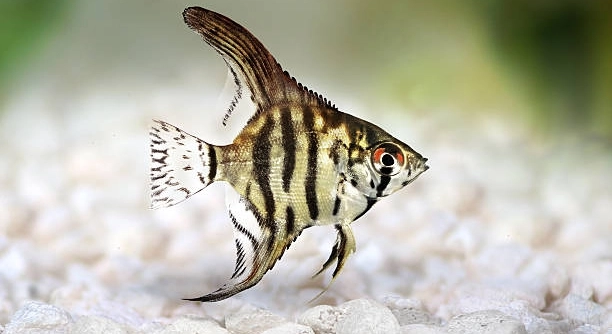
Angelfish are popular aquarium pets known for their beauty and peaceful nature. However, feeding them properly can be tricky, and many mistakes can harm their health. It’s important to understand their dietary needs for long-term happiness.
Feeding angelfish the wrong food or giving them too much can cause health problems. Mistakes such as overfeeding, underfeeding, or offering inappropriate foods may lead to poor water quality, disease, or stress in your angelfish.
Ensuring the right feeding habits is essential to maintaining a healthy tank. In the following sections, we’ll explore some common feeding mistakes and how you can avoid them to keep your angelfish thriving.
Overfeeding Angelfish
Overfeeding is one of the most common mistakes when caring for angelfish. It may seem harmless to give your fish extra food, but it can lead to serious issues. Angelfish are small, and their stomachs aren’t very large, so they only need a small amount of food. When you feed them too much, uneaten food starts to decompose in the tank, raising the ammonia levels and harming both the fish and the water quality. This can lead to diseases and stress.
Feeding angelfish more than they can eat will negatively affect the tank’s ecosystem. Leftover food can build up in the water, causing an increase in harmful toxins. This can also cause your fish to become overweight, leading to further health complications.
To prevent overfeeding, you should only feed your angelfish what they can consume in a few minutes. Offering them small, regular meals throughout the day is better than one large feeding. This ensures they are getting the right amount without waste or health issues.
Not Providing a Balanced Diet
Angelfish thrive on a varied diet, but it’s easy to fall into the trap of feeding them the same type of food every day. This can result in nutritional imbalances, weakening their immune system and leading to illness. A lack of variety in their diet can cause deficiencies in essential vitamins and minerals, affecting their growth and overall health.
Providing a balanced diet is key to keeping your angelfish healthy. Offer them high-quality flakes, pellets, frozen foods, and occasionally live foods to ensure they receive the proper nutrition. This approach helps meet their different dietary needs while preventing boredom and malnutrition.
Feeding Only One Type of Food
Angelfish are not picky eaters, but feeding them only one type of food can lead to health problems. A varied diet is essential to provide them with the necessary nutrients. When they eat the same thing daily, they miss out on vitamins and minerals that other food types offer.
Flake foods are convenient, but they shouldn’t be the sole diet. Mixing pellets, frozen foods, and even occasional live food can ensure they get a well-rounded intake. It’s important to vary their diet regularly to keep them healthy and thriving. Just as humans benefit from variety, angelfish do too.
Changing up their meals is a simple way to maintain balance. It also adds excitement to their day and encourages natural feeding behavior. This variety helps support a strong immune system and reduces the risk of nutrient deficiencies.
Feeding Too Much Protein
Angelfish require protein for growth, but too much can cause trouble. Overfeeding them with protein-rich foods like live worms or shrimp can lead to fatty buildup and organ stress. This can result in long-term health problems, especially if they don’t get enough fiber.
While protein is important for your fish, balance is crucial. Offering protein-rich foods every few days, along with vegetables and plant-based options, is ideal. It’s easy to get carried away by their excitement for high-protein foods, but moderation is the key to a healthy diet.
Be mindful of how often you feed your angelfish high-protein foods. If you notice your angelfish becoming sluggish or showing signs of digestive issues, it may be a sign that their protein intake is too high. Reducing the protein content and increasing plant matter can help restore balance.
Feeding Fish in Poor Water Conditions
Feeding angelfish when the water conditions are poor can create more harm than good. Uneaten food contributes to water pollution, making it harder to maintain a healthy environment. Poor water quality can lead to disease and stress for your fish, making it harder for them to digest their food.
Always check the water parameters—like pH, ammonia, nitrites, and nitrates—before feeding. If the water is out of balance, it’s better to address that first. This ensures that your angelfish can process their food properly and stay healthy. Healthy water equals healthy fish.
Proper filtration and regular water changes are essential for maintaining a clean environment. If you notice cloudy water or unpleasant odors, it’s a sign that the tank needs attention. Fixing the water conditions first ensures that your fish thrive and properly digest their meals.
Overlooking Water Temperature
The temperature of the water plays a key role in digestion. If the water is too cold, your angelfish may struggle to process food, leading to health problems. Angelfish prefer water between 76-82°F (24-28°C), and keeping it too low can slow down their metabolism.
Cold water can cause their digestive system to work inefficiently. If you notice your angelfish not eating or becoming lethargic, check the temperature. Using a reliable heater will help maintain a stable temperature, ensuring your fish are in the right environment for digestion.
Using Excessively Large Food
Feeding angelfish food that’s too large can cause them to choke or become stressed. Angelfish have small mouths, and oversized food makes it harder for them to eat comfortably. This can lead to waste or difficulty in breaking down the food.
Offering appropriately sized food ensures that your fish can easily consume it. If you’re using pellets, flakes, or frozen food, break it into smaller pieces that they can easily handle. This simple step prevents discomfort and encourages your fish to eat properly.
FAQ
How often should I feed my angelfish?
Feeding angelfish once or twice a day is generally ideal. Angelfish can eat more than once a day, but overfeeding can cause problems. Only offer as much food as they can consume in a few minutes. If there is leftover food after feeding, it’s best to remove it to maintain water quality. Regular small meals are healthier than large portions at once.
Can I feed angelfish just flakes?
While flakes are convenient, they shouldn’t be the only food you offer. Angelfish benefit from a varied diet that includes pellets, frozen food, and occasional live foods. This provides the necessary vitamins, minerals, and proteins they need for optimal health. A balanced diet ensures they get all the nutrients required for long-term well-being.
Is it okay to feed angelfish live food?
Live food can be a great addition to your angelfish’s diet, as it stimulates their natural hunting behavior. Options like live worms, brine shrimp, or daphnia can be used occasionally. However, live food should not make up the majority of their diet due to the risk of introducing diseases from the source. It’s best to provide live food as a treat or supplement to their regular meals.
What happens if I overfeed my angelfish?
Overfeeding angelfish can lead to several problems. Excess food that isn’t eaten decomposes in the tank, raising ammonia levels and making the water toxic. This can cause stress and health issues for your fish. Overfeeding also increases the risk of obesity and organ damage in angelfish. Stick to small portions and monitor their eating habits to avoid overfeeding.
How do I know if my angelfish are hungry?
Angelfish are usually good at showing when they are hungry. They will often swim to the surface when you approach the tank, sometimes following your finger. This behavior indicates they are expecting food. However, it’s important to avoid feeding them based on behavior alone. Always feed them the proper portion based on their size and the type of food you are offering.
Can angelfish eat vegetables?
Yes, angelfish can eat vegetables. They enjoy plant-based foods like spinach, zucchini, and peas. Blanching the vegetables (cooking them briefly in hot water) can make them easier for your angelfish to eat. Including vegetables in their diet adds fiber, which aids in digestion and helps to prevent constipation. It’s a good idea to offer vegetables a few times a week.
Is it safe to feed angelfish frozen food?
Frozen food is safe for angelfish, and it can be a great part of their diet. Options like frozen brine shrimp, bloodworms, and daphnia provide high protein content. Just make sure to thaw the food before feeding it to your angelfish to prevent water quality issues. Frozen food is a good alternative if live food isn’t available.
Should I fast my angelfish?
It’s not necessary to fast angelfish regularly, but occasional fasting can help with their digestion and overall health. If you notice any signs of bloating or constipation, a 24-hour fasting period can allow their digestive system to reset. Just be sure not to overdo it, as regular feeding is important for their nutrition.
Can angelfish eat too much protein?
Yes, too much protein can be harmful to angelfish. While protein is essential for growth and health, excessive amounts can lead to obesity and liver damage. It’s important to balance protein intake with other nutrients, such as fiber and carbohydrates. You should feed high-protein foods in moderation, offering them a mix of plant-based and protein-rich meals.
How do I keep the tank clean after feeding my angelfish?
After feeding, it’s important to check for any leftover food in the tank. Uneaten food can decay and cause water quality issues. If you notice food left behind, remove it as soon as possible. Regular water changes and good filtration will help maintain the tank’s cleanliness, preventing the buildup of harmful toxins.
How long can angelfish go without food?
Angelfish can survive for a few days without food, but it’s not ideal to leave them unfed for long periods. Generally, angelfish can go up to 3-4 days without eating, but this should only happen if you’re going on a short vacation. They are resilient, but regular feeding is necessary to keep them healthy and active.
What are the signs of overfeeding?
Signs of overfeeding in angelfish include bloated stomachs, sluggish behavior, and food particles floating around in the tank. Excess food can also lead to an increase in waste, cloudier water, and ammonia spikes. If you notice any of these signs, it’s important to reduce the amount of food you’re giving them and monitor their health closely.
Can I feed angelfish during the night?
Feeding angelfish at night is generally not recommended. Fish are most active during the day and tend to rest at night. Feeding at night can disturb their sleep cycle, potentially causing stress. It’s best to feed them during daylight hours, when they are most active and ready to eat.
What is the best way to feed angelfish pellets?
When feeding pellets, ensure they are small enough for your angelfish to eat easily. You can break larger pellets into smaller pieces if necessary. It’s also important to soak the pellets briefly before feeding, as dry pellets can expand in the stomach, potentially causing digestive issues. Feed small portions and observe how much they eat to avoid overfeeding.
Final Thoughts
Feeding your angelfish properly is essential for their health and happiness. By avoiding common mistakes like overfeeding, feeding them only one type of food, or offering them food that’s too large, you can help them thrive in their aquarium. Regular monitoring of their food intake and water quality ensures that their environment remains balanced, reducing the risk of health problems. Angelfish, like all fish, need a diet that provides the right nutrients, and variety is key to meeting those needs.
It’s also important to keep an eye on the overall well-being of your fish. Offering them a mix of protein-rich foods, plant-based options, and occasional treats will help create a healthy, balanced diet. By feeding them appropriately sized portions and removing uneaten food from the tank, you help prevent water pollution and keep their environment clean. Remember that healthy water quality is just as important as the right food, so maintaining clean, stable water conditions will support your angelfish’s health. Regular water changes and filtration can help you avoid issues like ammonia buildup, which could harm your fish.
Lastly, take time to observe your angelfish and understand their feeding habits. Some angelfish may be more active during feeding times, while others may eat slower. By paying attention to how much they eat and when they are most active, you can adjust their feeding schedule and portions to meet their needs. A consistent feeding routine, combined with a balanced diet and proper tank care, will ensure your angelfish stay healthy and happy for years to come.

Hello,
If you enjoy the content that we create, please consider saying a "Thank You!" by leaving a tip.
Every little bit helps us continue crafting quality advice that supports the health, happiness, and well-being of pets around the world, for pets of all shapes, sizes, and species.
We really appreciate the kindness and support that you show us!