
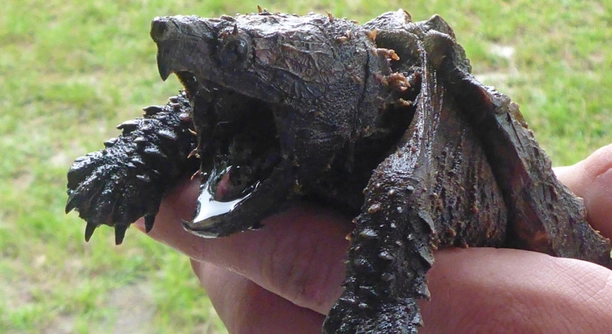
Alligator snapping turtles are fascinating creatures, but their care requires specific attention to feeding. Understanding what to avoid when feeding them is essential for their health. This guide will help you prevent common mistakes that could harm your turtle.
Feeding an alligator snapping turtle improper foods or in the wrong amounts can lead to nutritional imbalances, health issues, and even shorter lifespans. Overfeeding, underfeeding, or giving the wrong type of food are all common mistakes that should be avoided.
Making small adjustments to their diet can significantly improve your turtle’s well-being. By following a few simple steps, you can ensure a balanced, healthy diet that supports their growth and longevity.
Overfeeding Your Alligator Snapping Turtle
Overfeeding is a common mistake that can quickly lead to obesity and other health problems in alligator snapping turtles. They have slow metabolisms, so feeding them too much food can cause excess fat to accumulate. This affects their ability to move, hunt, and even breathe properly. Over time, a turtle that’s overfed may develop shell deformities and other complications that shorten its lifespan. It’s important to maintain a proper feeding schedule based on their age and size.
Turtles should be fed only what they can eat within 15 to 20 minutes. Keep track of their weight to ensure they aren’t gaining too much. Regularly removing any uneaten food also helps maintain a healthy environment.
A balanced feeding routine will help your turtle stay active, healthy, and well-nourished. Stick to offering the right portion sizes to prevent unnecessary weight gain and avoid complications related to overfeeding. This will keep them happy for years to come.
Giving the Wrong Type of Food
Offering the wrong type of food can negatively impact the health of your alligator snapping turtle. They are carnivores and thrive on a diet of fish, worms, and small invertebrates. Providing plant-based foods, like vegetables or fruit, may not provide them with the essential nutrients they need.
A varied diet is important, but make sure it consists primarily of animal proteins. A lack of these proteins can lead to malnutrition. It’s crucial to offer high-quality, protein-rich food that replicates what they would eat in the wild.
Stick to providing them with appropriate proteins, such as live fish, shrimp, or specially formulated turtle food. This will help ensure that your alligator snapping turtle remains healthy and maintains proper growth. Avoid feeding them human food or anything they wouldn’t encounter in their natural environment.
Underfeeding Your Alligator Snapping Turtle
Underfeeding can be just as harmful as overfeeding. If your turtle isn’t getting enough food, it can lead to stunted growth, weakened immune systems, and overall poor health. Alligator snapping turtles need a diet rich in protein and fat to thrive.
If you notice your turtle becoming lethargic or not growing at the expected rate, it might be a sign of underfeeding. Turtles in captivity need regular meals, and not feeding them enough can cause them to become stressed. In the wild, they have constant access to food, so try to replicate that in their habitat.
It’s important to offer meals that meet their nutritional needs, especially during their growing stages. A balanced, consistent feeding routine will keep your turtle strong and healthy. Always monitor their eating habits and adjust portions if necessary to ensure they are properly nourished.
Feeding Too Often
Feeding your alligator snapping turtle too often can lead to obesity and health issues, much like overfeeding. It can also disrupt their natural hunting instincts, causing them to rely on you for food rather than searching for it themselves.
Turtles don’t need daily feeding once they are adults. Overfeeding can lead to weight gain, which puts strain on their organs and makes movement difficult. Offer food every two to three days, depending on your turtle’s age and size. Younger turtles may need more frequent feeding, while adults can go longer between meals.
Establishing a feeding routine will help regulate your turtle’s growth and prevent unnecessary health complications. By keeping their diet balanced and feeding them at the right intervals, you’ll avoid the common mistakes that can harm their well-being.
Feeding a Monotonous Diet
Feeding your alligator snapping turtle the same food every day can cause nutritional imbalances. A lack of variety can lead to deficiencies, affecting their overall health and growth. Variety is key for a well-rounded diet.
In the wild, these turtles hunt for different types of food. Replicating that in captivity helps ensure they receive the full spectrum of nutrients. Provide a mix of protein-rich foods like fish, worms, and invertebrates. This will help maintain a balanced diet and prevent deficiencies that could harm their health.
Offer different types of prey regularly to encourage natural hunting behavior and support a healthy, varied diet.
Offering Improperly Sized Food
Giving food that’s too large or too small for your alligator snapping turtle can create problems. If food is too large, they may struggle to eat it. If it’s too small, they may not receive enough nutrition.
Make sure to provide appropriately sized prey that your turtle can easily consume without stress. If the food is too big, it can also cause choking or digestive issues. Cut food into smaller pieces or provide prey of the right size for their age and size.
This ensures that your turtle can eat efficiently and receive proper nutrition without difficulty.
FAQ
How often should I feed my alligator snapping turtle?
The frequency of feeding depends on the turtle’s age. For young turtles, feed them daily or every other day. As they grow older, you can reduce the feeding to every two to three days. It’s important to monitor your turtle’s weight and adjust the feeding schedule as needed to prevent overfeeding or underfeeding.
What is the best food for alligator snapping turtles?
Alligator snapping turtles are carnivorous, so their diet should consist of animal-based foods. They enjoy fish, worms, crabs, and other small invertebrates. You can also offer specially formulated turtle pellets as a supplement. Avoid feeding them plant-based foods, as these are not suitable for their digestive systems.
Can I feed my alligator snapping turtle vegetables or fruits?
While alligator snapping turtles primarily eat animal-based food, a small amount of fruits or vegetables may be offered occasionally as a treat. However, these should not be the main part of their diet. They might enjoy some soft fruits like berries or small amounts of leafy greens, but don’t rely on them for essential nutrition.
How do I know if I’m overfeeding my alligator snapping turtle?
Overfeeding signs include excessive weight gain, lethargy, and difficulty moving. If your turtle becomes sluggish or refuses to eat after regular feedings, it may be a sign of overfeeding. Monitoring their weight and observing their behavior can help you adjust the feeding schedule to prevent overfeeding.
What should I do if my alligator snapping turtle isn’t eating?
If your turtle refuses to eat, first check if the water temperature is suitable for digestion (typically between 70-80°F). Stress, incorrect water conditions, or health problems could cause a loss of appetite. If the issue persists, consult a reptile vet to rule out any underlying medical concerns.
Can I feed my alligator snapping turtle fish from the pet store?
Yes, you can feed your alligator snapping turtle fish from the pet store, as long as they are safe for turtles. Avoid fish that are high in fat, and opt for feeder fish like minnows or goldfish. It’s best to offer a variety of fish to ensure a balanced diet.
What type of water should I use for my alligator snapping turtle’s habitat?
Alligator snapping turtles need clean, filtered water. Use dechlorinated water to avoid harming their sensitive systems. Regular water changes are essential to prevent a buildup of harmful bacteria and waste. Consider installing a filtration system to maintain clean water and reduce the need for frequent changes.
How can I prevent my alligator snapping turtle from becoming overweight?
To prevent obesity, feed your turtle the right portion sizes and avoid offering food too frequently. Regularly monitor their weight and adjust food portions accordingly. Additionally, providing a large enough enclosure with space to move around encourages natural behavior, helping your turtle stay active and maintain a healthy weight.
What should I do if my turtle has a shell infection?
Shell infections in turtles are often caused by poor water quality or injury. If you suspect your alligator snapping turtle has a shell infection, check the water conditions and remove any potential sources of infection. Consult with a vet to properly diagnose and treat the infection.
Can I feed my alligator snapping turtle live prey?
Live prey, such as fish, worms, and crickets, is a great option for alligator snapping turtles. It stimulates their hunting instincts and provides them with essential nutrition. However, ensure the live prey is safe and free from pesticides or harmful chemicals.
How do I know if my alligator snapping turtle is sick?
Signs of illness in alligator snapping turtles include lack of appetite, lethargy, swollen eyes, or abnormal swimming behavior. If your turtle shows any of these symptoms, it’s important to consult a vet immediately to prevent the illness from worsening.
Can my alligator snapping turtle live with other turtles?
Alligator snapping turtles are solitary animals and can be territorial. It’s generally not recommended to house them with other turtles unless they have ample space. If you do house them with others, ensure there is enough room to avoid territorial disputes and stress.
What is the ideal temperature for an alligator snapping turtle’s habitat?
The water temperature should be between 70-80°F. A basking area should also be provided with a temperature of 85-90°F to allow the turtle to regulate its body temperature. Maintaining these conditions will ensure that your turtle stays healthy and active.
How do I provide a proper basking spot for my turtle?
Alligator snapping turtles need a basking area to dry off and regulate their body temperature. Use a sturdy platform or rock that allows them to climb out of the water. Ensure the basking spot is under a heat source like a UVB light to simulate natural sunlight.
What size enclosure does my alligator snapping turtle need?
The size of the enclosure depends on the size of your turtle. A juvenile turtle requires at least a 40-gallon tank, while an adult may need a 100-gallon tank or larger. It’s important to provide enough space for swimming, basking, and hiding to keep your turtle healthy and happy.
Can I feed my alligator snapping turtle store-bought turtle pellets?
Turtle pellets can be used as a supplement to their diet, but they should not be the sole food source. High-quality pellets designed for carnivorous turtles are best, as they provide essential nutrients. However, always combine them with live or fresh food for a balanced diet.
Should I give my alligator snapping turtle calcium supplements?
Calcium is important for shell health, especially for young and growing turtles. If your turtle isn’t getting enough calcium from its diet, you can offer calcium supplements. You can also provide cuttlebone or calcium-rich foods to ensure they are receiving the proper nutrients.
How do I know if my alligator snapping turtle is getting enough protein?
Alligator snapping turtles need a diet rich in protein to stay healthy. If your turtle isn’t gaining weight, appears sluggish, or shows signs of poor growth, it might not be getting enough protein. Regularly assess their diet and provide appropriate protein sources, such as fish, worms, and other invertebrates.
Final Thoughts
Caring for an alligator snapping turtle requires attention to their specific needs, including diet, habitat, and overall health. These turtles are unique creatures that require a bit more care than other types of pets. Their diet should primarily consist of protein-rich foods like fish, worms, and small invertebrates. Feeding them the right food ensures they grow strong and healthy. Overfeeding or underfeeding can lead to health problems, so it’s important to monitor their weight and adjust their feeding schedule accordingly.
In addition to proper nutrition, maintaining the right water conditions is crucial for their well-being. Clean, dechlorinated water with the right temperature is essential to prevent illnesses and stress. Regular water changes and a good filtration system help keep their habitat healthy. Having a suitable basking area for them is also important for their digestion and overall health. Without the proper environment, even the best diet won’t keep them healthy.
Taking care of an alligator snapping turtle can be a rewarding experience, but it comes with responsibilities. Regular health checks, attention to their feeding habits, and ensuring they have a proper habitat are key to keeping them happy. By understanding their needs and making the right adjustments, you’ll provide your turtle with a healthy and comfortable life. The more you learn about their specific care requirements, the better equipped you’ll be to care for your turtle and ensure it thrives.

Hello,
If you enjoy the content that we create, please consider saying a "Thank You!" by leaving a tip.
Every little bit helps us continue crafting quality advice that supports the health, happiness, and well-being of pets around the world, for pets of all shapes, sizes, and species.
We really appreciate the kindness and support that you show us!