
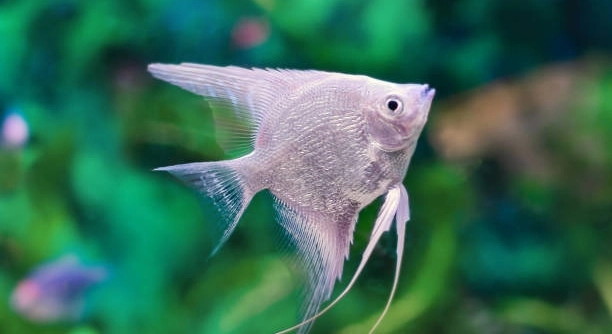
Angelfish are beautiful creatures that can brighten up any aquarium. However, improper feeding can harm them. Many fish owners unintentionally make mistakes that can impact their angelfish’s health and well-being.
Feeding angelfish the wrong type or amount of food can lead to serious health issues. Overfeeding or underfeeding, as well as providing the wrong nutrients, can cause digestive problems, stress, and even shorten their lifespan.
By recognizing common feeding mistakes, you can improve your angelfish’s diet and overall health. Making small adjustments will help them thrive in their environment.
Overfeeding Angelfish
Overfeeding is a common mistake that many aquarium owners make, often out of a desire to ensure their angelfish are well-fed. However, giving them too much food can lead to several health problems, including obesity, poor water quality, and digestive issues. Angelfish will eat until there is no food left, which can result in uneaten food sinking to the bottom, causing harmful bacteria to grow. This can also lead to an increase in ammonia levels in the tank, which is harmful to both the angelfish and other tank inhabitants.
Feeding angelfish the right amount is key to their health. You should only offer food that they can consume within a few minutes. After that, any remaining food should be removed to prevent water contamination.
It’s best to feed angelfish small amounts two or three times a day rather than large portions. This helps regulate their digestive system and keeps the tank cleaner. Always be mindful of how much food your fish are actually eating, as overfeeding can quickly lead to an unhealthy environment for them.
Incorrect Food Choices
Choosing the wrong food for your angelfish is another mistake that can harm them in the long run. While angelfish may appear to enjoy all kinds of food, they require a balanced diet to thrive. Many commercially available fish foods are high in fillers, which don’t provide the necessary nutrients for angelfish to grow strong and healthy. It’s important to offer a variety of foods, such as high-quality pellets, flakes, and occasional live or frozen foods like brine shrimp or bloodworms.
Feeding angelfish too many processed foods with low nutritional value can cause malnutrition. Over time, this leads to weak immune systems, stunted growth, and even diseases. To keep your fish healthy, choose foods designed for angelfish and aim for a well-rounded diet that includes both plant-based and animal-based options.
If you’re unsure what food to choose, look for brands specifically made for angelfish or those suitable for tropical fish with similar dietary needs.
Underfeeding Angelfish
Underfeeding is just as harmful as overfeeding. When angelfish don’t get enough food, they become weak, stressed, and may even stop growing. These fish need proper nutrition to stay healthy and active. If they don’t get enough to eat, their immune system weakens, making them more prone to diseases.
A lack of food can lead to poor coloration and stunted growth. Angelfish that are consistently underfed may also show signs of aggression, as they become more focused on finding food rather than socializing. Make sure to provide enough food based on their size and age. Feeding them twice or three times a day can help.
Keep in mind that every angelfish has different dietary needs based on factors like size, age, and activity level. Young angelfish, for example, require more food than adults to support growth. Providing the right amount ensures they remain healthy and vibrant.
Not Varying Their Diet
Feeding the same food daily can lead to nutritional imbalances for your angelfish. If you only give them one type of food, such as flakes, they may not get all the vitamins and minerals they need. A varied diet is important for long-term health.
Adding variety, like high-quality pellets, live foods, and vegetables, will mimic their natural diet and ensure they get the necessary nutrients. You can feed them brine shrimp, bloodworms, or even spinach to supplement their nutrition. Rotating foods will prevent them from becoming too reliant on any one type.
An imbalanced diet can lead to deficiencies, causing your angelfish to become lethargic, lose color, or develop illnesses. Variety helps prevent these issues and keeps your fish engaged. Try offering different options to give them the best chance at a healthy life.
Feeding Too Frequently
Feeding your angelfish too often can lead to poor water quality and health problems. Even if the fish seem hungry, giving them food multiple times a day isn’t always necessary. Excess food can decay and affect the tank’s environment, making it harmful for the fish.
Angelfish should be fed two or three times a day, depending on their size and age. By following a consistent schedule, you can prevent overfeeding and maintain cleaner water. If you’re unsure, consider feeding once a day and adjusting the amount based on their appetite and behavior.
Not Monitoring Water Quality
Water quality plays a huge role in your angelfish’s health. Uneaten food can break down and raise ammonia levels, which stress your fish. It’s crucial to monitor the water regularly to ensure your angelfish are living in a clean environment. This includes testing pH, ammonia, and nitrate levels.
A proper filtration system and routine water changes will help keep your tank safe for your fish. Regularly removing uneaten food can also prevent it from decaying and affecting water quality. Good water quality will improve your angelfish’s overall health, reducing the risk of disease and stress.
FAQ
How often should I feed my angelfish?
Angelfish should be fed 2-3 times a day. Each feeding should be small enough that they can eat everything in about 3-5 minutes. Overfeeding can pollute the water, while underfeeding can lead to malnutrition. Adjust the amount based on your angelfish’s size, age, and activity level.
Can I feed my angelfish only flakes?
Flakes can be a good part of an angelfish’s diet, but they should not be the only food. A varied diet is important to meet their nutritional needs. Include pellets, live food (like brine shrimp or bloodworms), and even vegetables like spinach or zucchini for better health and color.
What happens if I overfeed my angelfish?
Overfeeding can cause several issues, including poor water quality, bloating, and obesity in your angelfish. Leftover food will sink to the bottom and decompose, raising ammonia levels in the tank. This can lead to stress and health problems for your fish. Always remove uneaten food after a few minutes.
How do I know if my angelfish is underfed?
Underfed angelfish may appear lethargic, show slower growth, or have poor coloration. If your fish looks thin, isn’t swimming actively, or seems constantly hungry, it may not be getting enough food. Check that the food you’re providing is appropriate for their size and age.
Can I feed my angelfish live food?
Yes, live food like brine shrimp or daphnia can be a healthy treat for angelfish. These foods are a good source of protein and can help simulate their natural feeding behavior. However, ensure the live food is free of parasites and disease to prevent harm to your fish.
Is it okay to feed my angelfish vegetables?
Yes, angelfish can eat vegetables like spinach, zucchini, and peas. These provide essential nutrients, fiber, and variety in their diet. However, vegetables should be blanched (softened by boiling for a few seconds) before feeding to make them easier for angelfish to consume.
What’s the best way to remove uneaten food from the tank?
To keep your tank clean, remove uneaten food within a few minutes of feeding. You can use a fish net or a siphon to take out leftover food. Regularly check the tank for any hidden food that may sink and decompose, affecting water quality.
Should I fast my angelfish occasionally?
It’s fine to fast your angelfish for 24 hours every week or two. This can help prevent overfeeding and give their digestive system a break. However, this isn’t necessary for every fish. Make sure your angelfish is healthy and not overly stressed before deciding to fast them.
Can I feed my angelfish frozen food?
Frozen food like bloodworms, brine shrimp, or daphnia can be a great addition to your angelfish’s diet. Just be sure to thaw it first and remove any excess moisture. Frozen foods are nutrient-dense and can help diversify your angelfish’s diet.
What’s the ideal water temperature for angelfish feeding?
Angelfish thrive in water temperatures between 76°F and 82°F (24°C to 28°C). At this temperature range, they are more active and have a better appetite. If the water is too cold, your angelfish may eat less or become sluggish. Keep the tank temperature stable for optimal feeding.
Can I feed my angelfish too much protein?
Yes, too much protein can cause health issues such as kidney damage or poor digestion. Angelfish require a balanced diet that includes both protein and plant-based foods. Ensure that their diet includes a variety of foods, including vegetables, to avoid excessive protein intake.
How do I know if my angelfish is healthy?
A healthy angelfish will have vibrant colors, be active, and have a smooth, round belly. If they are swimming normally, responding to food, and have no signs of disease (like spots or bloating), they’re likely in good health. Regular feeding and water maintenance are key.
Can I feed my angelfish pellets every day?
Yes, pellets can be fed every day as a main food source for angelfish. Make sure you choose high-quality pellets that are designed for tropical fish. Pellets provide essential nutrients, but it’s important to rotate them with other food types, like flakes or live food, to ensure a balanced diet.
What is the best food for baby angelfish?
Baby angelfish require a diet rich in protein to support their growth. Start by feeding them finely crushed flakes, liquid fry food, or small live foods like infusoria or newly hatched brine shrimp. As they grow, you can introduce larger pellets and other foods suitable for adults.
How can I prevent my angelfish from becoming overweight?
Overweight angelfish can suffer from health problems like heart disease and decreased lifespan. To prevent this, avoid overfeeding and give them a balanced diet. Provide enough food that they can eat in 3-5 minutes, and remove any uneaten food. Regular water changes and proper tank care also help.
Is it okay to feed angelfish once a day?
Feeding angelfish once a day can work, especially if they are adults. Make sure the portion is appropriate for their size, and monitor their health. However, younger or more active fish may require two or three feedings per day. Always adjust feeding habits based on your fish’s needs.
Final Thoughts
Feeding angelfish the right way is essential for their health and well-being. While these fish are relatively easy to care for, mistakes in their diet can lead to various problems, including poor growth, weakened immune systems, and even shorter lifespans. Understanding how much and how often to feed them is a key factor in maintaining a balanced, healthy environment in your aquarium. Providing a variety of foods that cater to their nutritional needs will help keep them vibrant, active, and disease-free.
It’s important to remember that not all foods are created equal, and the right balance is crucial. Overfeeding or feeding the wrong type of food can lead to more harm than good, affecting both the fish and the water quality. On the other hand, underfeeding can cause malnutrition and weaken your angelfish. Regularly removing uneaten food, monitoring water quality, and adjusting their diet based on their age and size are all essential practices. With a little attention and care, you can create the perfect feeding routine that benefits both your angelfish and the overall health of your aquarium.
Finally, patience and observation are key when it comes to feeding angelfish. Every fish is unique, and finding the right balance of food types and feeding frequency may take some trial and error. Keep an eye on your angelfish’s behavior, growth, and overall condition. If they appear healthy, active, and are thriving, you’re likely doing a great job with their diet. By being mindful of their needs and maintaining a proper feeding schedule, you’ll ensure that your angelfish live a long, happy life in your aquarium.

Hello,
If you enjoy the content that we create, please consider saying a "Thank You!" by leaving a tip.
Every little bit helps us continue crafting quality advice that supports the health, happiness, and well-being of pets around the world, for pets of all shapes, sizes, and species.
We really appreciate the kindness and support that you show us!