
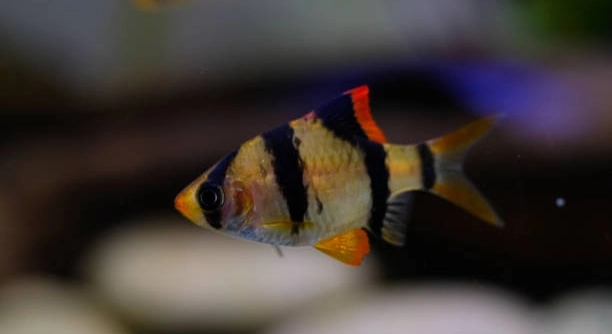
Caring for tiger barbs can be rewarding, but many owners face common mistakes that affect their fish’s health and happiness. These small, active fish need specific conditions to thrive in a home aquarium. Knowing the typical errors can improve their care.
Seven common errors in tiger barb care include improper tank size, incorrect water parameters, poor diet, inadequate tank mates, insufficient hiding spots, neglecting regular maintenance, and overstocking. Avoiding these mistakes is crucial for maintaining a healthy environment for tiger barbs.
Recognizing these errors early can make a big difference in your tiger barbs’ well-being and help create a balanced, lively aquarium.
Improper Tank Size
Many tiger barb owners underestimate the importance of tank size. These fish are active swimmers and need enough space to move freely. A small tank can cause stress, aggression, and poor health. At least a 20-gallon tank is recommended for a small group of tiger barbs. Overcrowding in a small tank increases waste buildup and lowers water quality. When fish are cramped, their immune systems weaken, making them prone to disease. Giving tiger barbs enough room helps reduce territorial disputes and promotes natural behavior. Setting up a larger tank from the start prevents the need for costly upgrades later and creates a healthier environment overall. Always consider the adult size of the fish and how many you plan to keep.
Keeping a tank too small often leads to stunted growth and a shorter lifespan. Providing proper space is essential for their well-being.
Space is key to healthy tiger barbs. Avoid small tanks to prevent stress and aggression. Make sure your aquarium is large enough to keep them active and thriving.
Incorrect Water Parameters
Maintaining correct water parameters is crucial for tiger barbs’ health. They prefer a temperature between 74°F and 79°F and a pH level around 6.5 to 7.5. Hardness should be moderate, between 5 and 19 dGH. Fluctuations in these conditions can cause stress and illness. Regular testing of water quality helps spot problems before they get serious. Ammonia and nitrite levels must always be zero, while nitrate should be kept below 20 ppm. Using a reliable water conditioner and performing weekly water changes help maintain balance. Filtration is equally important, as tiger barbs produce a fair amount of waste. Without proper filtration, toxins accumulate quickly, harming your fish. Keeping parameters stable mimics their natural environment and promotes longevity.
Ignoring water parameters results in poor fish health and frequent sickness. Consistent monitoring ensures a safe habitat.
Tiger barbs need stable water conditions to thrive. Proper temperature, pH, and hardness levels are critical. Regular water testing and maintenance keep these conditions safe, ensuring your fish stay healthy and active for years to come.
Poor Diet
Tiger barbs need a balanced diet to stay healthy. Feeding only flakes or pellets limits their nutrition and affects their color and energy levels.
A varied diet is essential for tiger barbs. They benefit from high-quality flakes or pellets designed for tropical fish, supplemented with live or frozen foods like bloodworms, brine shrimp, and daphnia. These protein-rich foods support growth and boost their immune system. Vegetables such as blanched spinach or zucchini can also be offered occasionally to provide fiber and vitamins. Overfeeding should be avoided, as leftover food pollutes the water and can cause digestive issues. Feeding small amounts twice a day ensures your tiger barbs get enough nutrients without overloading the tank environment.
Providing variety helps tiger barbs thrive and maintain their vibrant colors. A good diet promotes activity and overall well-being, reducing the risk of disease and stress.
Inadequate Tank Mates
Tiger barbs are semi-aggressive and may nip fins, so tank mates must be chosen carefully. Small or slow-moving fish are often targets.
It’s best to keep tiger barbs in groups of at least six to spread out aggression. Suitable tank mates include other fast-moving or similarly sized fish like danios, barbs, or larger tetras. Avoid keeping them with long-finned or delicate species such as bettas or angelfish, which may become stressed or injured. Introducing too many different species or incompatible fish leads to constant conflict, stressing all tank inhabitants. A well-planned community tank balances activity levels and aggression, creating a more peaceful environment. Proper research on compatibility before adding new fish prevents many common problems in the aquarium.
Insufficient Hiding Spots
Tiger barbs need places to hide and feel safe. Without enough cover, they become stressed and may act aggressively.
Plants, rocks, and decorations create safe spaces. These also reduce fighting by giving fish a place to retreat when needed.
Neglecting Regular Maintenance
Regular tank maintenance is critical for tiger barb health. Water changes, gravel cleaning, and filter checks keep the environment stable. Neglecting these tasks leads to toxic buildup and poor water quality, which weakens fish and increases disease risk. Weekly partial water changes of 20-30% help keep the tank clean. Removing uneaten food and waste prevents ammonia spikes. Filters should be cleaned monthly but never replaced entirely to preserve beneficial bacteria. Consistent care prevents many common health problems and keeps the aquarium balanced. A well-maintained tank ensures your tiger barbs live longer and stay active.
Overstocking
Overstocking tanks causes stress and poor water quality. Keep tank population within recommended limits for tiger barbs.
Overstocking Effects
Too many fish in one tank increases waste and decreases oxygen levels. This leads to unhealthy conditions, aggression, and disease outbreaks among tiger barbs. Overstocking also limits swimming space, causing stress and stunted growth. Following stocking guidelines helps keep your fish healthy and happy.
How often should I feed my tiger barbs?
Feeding tiger barbs twice a day is ideal. Provide only as much food as they can eat in about two minutes. Overfeeding can pollute the tank and cause health problems like bloating or swim bladder issues. Stick to small portions and remove uneaten food promptly to keep water quality high.
Can tiger barbs live with other fish?
Yes, but tank mates should be chosen carefully. Tiger barbs can be aggressive and nip fins, especially if kept in small groups. Best companions are fast, sturdy fish like danios, other barbs, or larger tetras. Avoid slow or long-finned species like bettas or angelfish, as they may get stressed or injured.
What water temperature do tiger barbs prefer?
Tiger barbs thrive in temperatures between 74°F and 79°F (23°C to 26°C). Consistent temperature is important; sudden changes cause stress and illness. Use a reliable aquarium heater and thermometer to maintain steady warmth within this range.
How big should my tank be for tiger barbs?
A minimum of 20 gallons is recommended for a small group of tiger barbs (at least six fish). They are active swimmers and need space to reduce aggression and stress. Larger tanks allow for more stable water conditions and room for decorations and hiding spots.
Why are my tiger barbs nipping fins?
Fin nipping is often a sign of stress, boredom, or aggression, especially if they are kept in too small a group or tank. Keeping at least six tiger barbs helps spread out aggression. Providing hiding spots and tank mates that can handle their activity level also reduces nipping.
How often should I do water changes?
Perform partial water changes of 20-30% weekly to maintain water quality. Regular changes remove toxins like nitrate and replenish minerals needed for fish health. Clean gravel and filter media as needed but avoid replacing all beneficial bacteria at once.
What do tiger barbs eat in the wild?
In their natural habitat, tiger barbs eat insects, larvae, small crustaceans, and plant matter. Mimicking this diet in captivity with a mix of high-quality flakes, pellets, and live or frozen foods like bloodworms and brine shrimp helps keep them healthy.
Can tiger barbs live alone?
Tiger barbs are schooling fish and should never be kept alone. A single tiger barb will become stressed and may develop behavioral problems. Keeping at least six together encourages natural social behavior and reduces aggression.
How do I treat common diseases in tiger barbs?
Most diseases result from poor water quality or stress. Quarantine new fish before adding them to the tank. If disease appears, test water parameters and improve tank conditions first. Common treatments include medication for ich, fin rot, or bacterial infections. Always follow instructions carefully and isolate sick fish if possible.
What decorations are best for tiger barb tanks?
Use sturdy plants, rocks, and driftwood to create hiding spots. Tiger barbs are active and may uproot delicate plants, so choose hardy species or artificial plants. Decorations reduce stress by providing shelter and territories, helping to keep aggression low.
Caring for tiger barbs involves attention to several important details that affect their health and happiness. These fish are lively and colorful, making them a popular choice for many aquariums. However, their care is not always simple, and many owners unknowingly make mistakes that could harm their fish. Understanding the common errors, such as improper tank size, incorrect water parameters, poor diet, and unsuitable tank mates, helps prevent problems before they start. Creating a comfortable and stable environment for tiger barbs allows them to show their best colors and natural behaviors. This means paying close attention to their tank setup, feeding habits, and water quality on a regular basis.
Keeping tiger barbs healthy also requires ongoing maintenance and observation. Regular water changes and cleaning are essential to remove waste and keep the water safe. Neglecting these tasks leads to a buildup of toxins that weaken fish and encourage disease. It’s also important to provide hiding spots and a balanced diet, which reduces stress and improves their overall condition. Overcrowding or mixing tiger barbs with aggressive or incompatible fish causes unnecessary fights and injuries. By carefully choosing tank mates and maintaining a proper population, owners can create a peaceful community tank that benefits all its inhabitants. Simple changes in daily care routines often result in a big difference in the well-being of these fish.
In the end, successful tiger barb care comes down to consistency and knowledge. These fish are hardy when their basic needs are met, but they rely on their owners to provide the right environment and care. Learning about their natural habits and requirements helps avoid common pitfalls that lead to illness or stress. With patience and proper attention, tiger barbs can live long, active lives in a home aquarium. The key is to stay informed, observe your fish closely, and adjust your care as needed. By doing this, you ensure your tiger barbs remain vibrant, healthy, and enjoyable companions for years to come.

Hello,
If you enjoy the content that we create, please consider saying a "Thank You!" by leaving a tip.
Every little bit helps us continue crafting quality advice that supports the health, happiness, and well-being of pets around the world, for pets of all shapes, sizes, and species.
We really appreciate the kindness and support that you show us!