
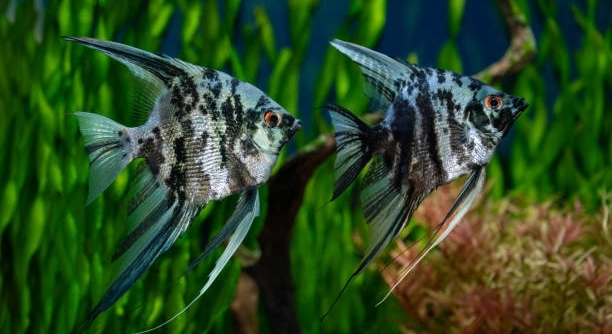
Angelfish are beautiful and delicate creatures, making them a popular choice for home aquariums. However, they can be prone to certain diseases that affect their health and well-being. Recognizing these issues early is essential.
Several diseases commonly affect angelfish, including ich, fin rot, and swim bladder disease. Identifying these conditions early helps in effective treatment, which improves the chances of recovery. Regular water changes, proper diet, and a stress-free environment can aid in prevention.
Taking the time to spot the signs of illness will ensure your angelfish stay healthy and thrive in their environment.
Ich: A Common Parasitic Infection
Ich is one of the most common diseases that can affect angelfish. This parasitic infection is easily recognizable by the appearance of small white spots on the fish’s body, fins, and gills. It often appears after stress or changes in water quality, making angelfish more susceptible. When infected, the fish may also show signs of abnormal swimming, rubbing against surfaces, or rapid gill movement.
Early treatment is crucial for ich. If left untreated, it can spread quickly and cause severe damage to the fish’s health. To treat ich, raise the water temperature slightly and add aquarium salt, as this helps speed up the life cycle of the parasite, making it easier to eliminate. A formal treatment, such as a specific anti-ich medication, can also be used.
Preventing ich is often easier than treating it. Keeping the water clean, maintaining stable temperatures, and avoiding sudden changes in the tank will help reduce the likelihood of an outbreak. Ensuring your angelfish remain in a stable, stress-free environment is key.
Fin Rot: A Bacterial Infection
Fin rot is a bacterial infection that affects the fins and tail of angelfish. It often results from poor water conditions or stress.
Proper filtration, frequent water changes, and maintaining a stable environment are crucial in preventing fin rot. It’s important to address the issue quickly to avoid further damage.
Swim Bladder Disease
Swim bladder disease affects angelfish by disrupting their buoyancy. Fish with this condition may struggle to maintain proper balance in the water, floating on their sides or sinking to the bottom.
This disease can be caused by overfeeding, constipation, or physical injury. To treat it, fasting the fish for a few days can help, allowing their digestive system to reset. If constipation is suspected, offering foods like peas may aid digestion and relieve symptoms.
In more severe cases, adjusting the water temperature can help improve digestion and buoyancy. If no improvement occurs, medication may be needed for bacterial infections or physical trauma affecting the swim bladder.
Velvet Disease
Velvet disease is caused by a protozoan parasite that infects angelfish. It’s characterized by a gold or rusty coating on the fish’s body, often making them look as if they have been dusted with gold powder.
The parasite targets the fish’s gills, causing difficulty breathing and rapid gill movement. Velvet disease is highly contagious, so it’s important to isolate infected fish immediately. Treatment involves raising the water temperature and using copper-based medication to target the parasite. Proper water filtration and frequent water changes can help control the spread.
Maintaining optimal water quality is key in preventing velvet disease. Angelfish in tanks with poor filtration or low oxygen levels are more prone to this condition. Regularly cleaning the tank and ensuring the water parameters are ideal will help reduce the risk of infection.
Dropsy
Dropsy causes angelfish to appear bloated due to fluid retention. The fish may have swollen bellies and protruding scales, giving them a pinecone-like appearance. It is often a symptom of internal organ failure or bacterial infection.
Treating dropsy is challenging. Isolating the affected fish in a quarantine tank and administering antibacterial medication can help. Reducing stress and maintaining pristine water quality is essential in aiding recovery.
Unfortunately, dropsy is often fatal if not caught early. Close monitoring of water conditions and fish health can help prevent it from occurring in the first place.
Velvet Disease vs. Ich
Both velvet disease and ich are parasitic infections, but they differ in appearance. Velvet disease leaves a gold or rusty dust-like coating, while ich is characterized by small white spots.
Despite their differences, both conditions can be treated similarly with increased water temperature and medication. The sooner treatment begins, the better the chances of recovery.
Hole in the Head Disease
Hole in the head disease leads to visible lesions or holes on an angelfish’s head and around the eyes. It’s commonly caused by poor water quality or nutrient deficiencies.
Maintaining a clean tank and providing a balanced diet rich in vitamins and minerals will help prevent this disease.
FAQ
What are the common signs of illness in angelfish?
Common signs include abnormal swimming, lack of appetite, faded colors, or visible spots and lesions. If your angelfish is rubbing against objects, has swollen body parts, or is breathing rapidly, it may be a sign of illness.
How can I prevent diseases in angelfish?
Maintaining clean water, feeding a balanced diet, and avoiding overcrowding in the tank are key steps in disease prevention. Regular water changes, stable temperatures, and proper filtration also help reduce the risk of illness.
Why does my angelfish keep swimming near the surface?
This behavior could indicate a problem with water quality, such as low oxygen levels or high ammonia. It can also be a sign of swim bladder disease, which affects the fish’s buoyancy.
What should I do if my angelfish has white spots?
White spots are a sign of ich. To treat it, raise the water temperature slightly and add aquarium salt. You can also use a specialized medication designed for ich. Be sure to isolate the affected fish to prevent it from spreading to others.
Can stress cause diseases in angelfish?
Yes, stress weakens angelfish, making them more vulnerable to diseases. Factors like poor water conditions, incompatible tank mates, and overcrowding can contribute to stress. Maintaining a calm, stable environment helps keep your angelfish healthy.
How often should I change the water in an angelfish tank?
Water should be changed every one to two weeks, depending on tank size and number of fish. Regular water changes help maintain water quality and reduce the buildup of harmful substances.
Is it okay to treat multiple angelfish with medication at once?
Yes, but be careful about dosing. Always follow the instructions for the medication, as some treatments can harm your fish if not used correctly. It’s also a good idea to isolate infected fish if possible.
What causes angelfish to lose their color?
Loss of color can be caused by poor water conditions, stress, or illness. If an angelfish is not eating, has faded colors, or is lethargic, it may be an indication of a health issue.
Can poor water quality cause fin rot?
Yes, fin rot is commonly caused by poor water conditions. High levels of ammonia, nitrites, or nitrates can lead to bacterial infections that damage the fins. Regular water changes and proper filtration can help prevent fin rot.
How do I treat swim bladder disease in angelfish?
Swim bladder disease can be treated by fasting the fish for a few days. If constipation is the cause, offering cooked peas can help. In some cases, raising the water temperature and adding aquarium salt may improve symptoms.
How can I tell if my angelfish has velvet disease?
If your angelfish has a gold or rusty dust-like coating on its body, it may have velvet disease. The fish may also display rapid breathing and difficulty swimming. Early treatment with copper-based medication is essential.
Why is my angelfish’s tail fraying?
Frayed fins or tails are often a sign of fin rot, a bacterial infection. Poor water quality, overcrowding, or injuries can cause this condition. Regular water changes, maintaining good filtration, and using antibiotics can help treat it.
Can I prevent hole in the head disease?
Maintaining high water quality, providing a nutrient-rich diet, and ensuring your angelfish are not stressed are the best ways to prevent hole in the head disease. Avoid overcrowding and ensure your fish are receiving proper vitamins and minerals.
What should I do if my angelfish is floating sideways?
Sideways swimming or floating can be a sign of swim bladder disease or a swim bladder infection. If this happens, fasting the fish for a few days and offering foods that help with digestion may help. In more severe cases, medication may be needed.
Can I treat multiple diseases at once in my angelfish tank?
It’s generally best to treat one disease at a time, especially when using medication. Some treatments can interfere with each other or stress the fish further. Isolating sick fish and treating them separately can help prevent complications.
How can I tell if my angelfish is stressed?
Stressed angelfish may exhibit abnormal swimming behavior, loss of color, lack of appetite, or hiding. Stress can be caused by poor water quality, sudden changes in the tank environment, or incompatible tank mates.
Final Thoughts
Angelfish are beautiful, delicate creatures that require attention and care to thrive in a home aquarium. When it comes to keeping them healthy, the key is consistency. Ensuring their tank environment remains clean, stable, and stress-free will go a long way in preventing many common diseases. Regular water changes, proper filtration, and maintaining the right water parameters should always be a priority. Also, providing them with a balanced diet can help keep their immune systems strong and reduce the risk of infection.
It’s also important to monitor your angelfish regularly. Watch for any changes in behavior, appearance, or swimming patterns. Early detection of diseases can make a big difference in treatment success. When you notice any signs of illness, take action quickly by isolating the affected fish and treating them appropriately. This will help prevent the spread of disease to other fish in the tank and increase the chances of recovery. Knowledge of common angelfish diseases and their symptoms can be very useful in keeping your fish healthy.
Lastly, always stay patient. Fishkeeping can be rewarding, but it can also be challenging. Diseases, water issues, and tank problems are inevitable, but with care and proper management, your angelfish can live a long and healthy life. The key is to stay informed, act promptly when issues arise, and provide your angelfish with the best possible care. With time and attention, you can enjoy watching your angelfish thrive in their environment.

Hello,
If you enjoy the content that we create, please consider saying a "Thank You!" by leaving a tip.
Every little bit helps us continue crafting quality advice that supports the health, happiness, and well-being of pets around the world, for pets of all shapes, sizes, and species.
We really appreciate the kindness and support that you show us!