
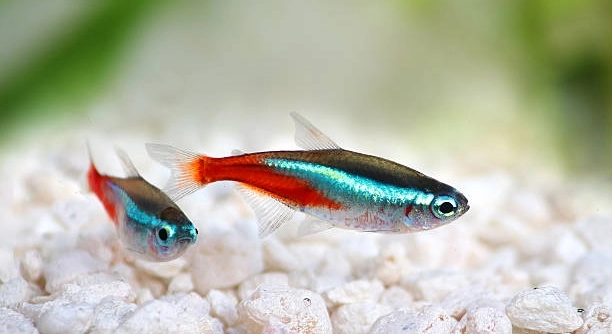
Neon Tetras are popular freshwater fish, known for their vibrant colors. However, like all aquarium fish, they are prone to certain diseases. Recognizing these illnesses early can help ensure their health and longevity in your tank.
Neon Tetras commonly suffer from diseases such as ich, fin rot, and neon tetra disease. These conditions can be caused by poor water quality, stress, or improper tank conditions. Treatment often includes improving water quality and using appropriate medications.
Understanding how to treat these diseases can help prevent future outbreaks and keep your fish healthy. We will go over the steps for addressing common issues and keeping your Neon Tetra thriving in your aquarium.
Ich (White Spot Disease)
Ich is one of the most common diseases in Neon Tetras. It’s easily identified by the white, salt-like spots that appear on the skin, fins, and gills of the fish. This disease is caused by a parasite that invades the fish’s skin, leading to irritation and distress. Neon Tetras are particularly vulnerable to Ich when water temperatures fluctuate or when there’s a sudden change in the tank environment. The parasite infects the fish when they’re stressed, often due to poor water quality or overcrowding.
To treat Ich, raise the tank’s temperature gradually to speed up the parasite’s life cycle, making it easier to treat with medication. Salt can also be added to the water as an effective way to combat the parasite. Make sure to remove any carbon from your filter while using medication, as it can reduce the effectiveness.
Preventing Ich is mostly about maintaining consistent water quality and temperature. Make sure your tank’s filtration system is working well, and perform regular water changes. A well-maintained aquarium can significantly reduce the likelihood of an Ich outbreak.
Fin Rot
Fin rot is another disease that can affect Neon Tetras. It often appears as ragged, decaying fins and is typically caused by poor water conditions or bacterial infection.
This disease can be treated by using antibacterial medications and improving water quality. Regular water changes and avoiding overfeeding will help keep your fish healthy.
Neon Tetra Disease (NTD)
Neon Tetra Disease (NTD) is a serious condition that can cause irreversible damage. It often presents as a loss of color, with dark streaks appearing along the fish’s body. This disease is caused by a protozoan parasite and can quickly spread through a tank.
Once infected, a Neon Tetra may lose its vibrant colors and show symptoms like difficulty swimming and swelling. Unfortunately, there is no known cure for NTD, so early detection is crucial. Affected fish should be isolated immediately to prevent the disease from spreading to other fish.
The best approach to preventing NTD is by ensuring that new fish are quarantined before being introduced to the main tank. Maintaining good water quality and avoiding overstocking can help reduce the risk of the disease spreading. Without a cure, isolation and prevention are key to managing NTD.
Velvet Disease
Velvet Disease, caused by a parasite, causes a golden or dusty coating on the fish’s body, resembling fine sandpaper. It’s often mistaken for an external skin condition.
The parasite infects the gills and skin of the fish, leading to rapid deterioration if left untreated. Fish infected with Velvet may show signs of labored breathing and rubbing against objects in the tank. Treatment includes using copper-based medications, along with improving water conditions to reduce stress on the fish.
Swim Bladder Disease
Swim Bladder Disease can cause your Neon Tetra to struggle with buoyancy. They may float upside down or have trouble staying at the bottom. It is usually caused by internal issues, including parasites or injuries.
The best way to treat this condition is by adjusting the fish’s diet, offering high-quality, easily digestible food. In severe cases, anti-parasitic treatments or antibiotics may be necessary. Regular water changes and maintaining a clean tank can help reduce the risk of this disease.
Fungal Infections
Fungal infections are visible as cotton-like growths on the skin or fins of your fish. These infections often occur after a traumatic injury or prolonged exposure to poor water conditions.
To treat a fungal infection, you can use antifungal medications available at pet stores. Ensure that the tank’s water quality is optimal, and remove any decaying matter that may contribute to the infection. If left untreated, fungal infections can become fatal.
FAQ
What causes Neon Tetra to get sick?
Neon Tetras are prone to illnesses due to factors like poor water quality, incorrect water temperature, overcrowding, and stress. Stress can weaken their immune system, making them more susceptible to diseases. Maintaining a clean tank and regular water changes can help prevent many common diseases.
How can I tell if my Neon Tetra has Ich?
Ich is usually identified by small white spots, resembling grains of salt, appearing on the fish’s skin and fins. The fish may also scratch itself on tank objects and show signs of lethargy. A rapid change in water temperature often triggers the parasite.
Can Neon Tetra recover from Neon Tetra Disease?
Unfortunately, Neon Tetra Disease (NTD) is untreatable and leads to the death of the affected fish. There’s no cure, but isolating the infected fish immediately can help prevent the disease from spreading to others in the tank.
What is the best treatment for fin rot?
Fin rot can be treated with antibacterial medications, which are available at pet stores. It’s essential to improve water conditions by performing regular water changes and checking the water parameters. Adding aquarium salt can also help with healing.
How do I treat Velvet Disease in Neon Tetras?
Velvet Disease can be treated with copper-based medications, which are effective at killing the parasite. Make sure to raise the water temperature slightly to speed up the parasite’s lifecycle, and improve the water quality by ensuring proper filtration and regular maintenance.
What are the symptoms of swim bladder disease in Neon Tetras?
Swim bladder disease often results in abnormal swimming behavior, such as floating upside down, struggling to stay at the bottom, or swimming erratically. It may be caused by injury, parasites, or overfeeding. Treatment includes adjusting the diet and using antibiotics or anti-parasitic treatments for more severe cases.
How can I prevent fungal infections in Neon Tetras?
Fungal infections can often be prevented by maintaining optimal water quality and avoiding injuries to your fish. Removing any decaying organic matter and uneaten food from the tank is essential, as it can create an environment conducive to fungal growth. Regular water changes and tank maintenance will help.
What should I do if my Neon Tetra has a pale color?
Paleness in Neon Tetras can be a sign of stress or illness, such as Neon Tetra Disease or poor water quality. Check the tank’s water parameters and make sure the fish isn’t being harassed by tankmates. If necessary, isolate the fish to prevent the spread of illness.
Can poor diet affect the health of my Neon Tetra?
Yes, a poor diet can lead to health problems in Neon Tetras. These fish need a balanced diet of high-quality flakes or pellets. Offering a variety of foods, such as live or frozen foods like brine shrimp, can ensure they get all the necessary nutrients.
How can I help my Neon Tetra recover from stress?
To help your Neon Tetra recover from stress, ensure that its environment is peaceful and its water conditions are optimal. Reducing noise, avoiding tankmate aggression, and adding plants or hiding spots can help your fish feel safe. Maintaining consistent water temperature and parameters is also crucial.
How do I quarantine new Neon Tetras?
To quarantine new Neon Tetras, place them in a separate tank for 2-3 weeks before introducing them to your main aquarium. During this period, monitor for any signs of disease. This helps prevent introducing potential illnesses to your established fish population.
Can Neon Tetras live with other fish?
Yes, Neon Tetras are peaceful and generally do well with other small, non-aggressive fish. They should be kept with tankmates that have similar water requirements and temperament. Avoid placing them with larger, predatory fish that may see them as food.
Why is my Neon Tetra swimming erratically?
Erratic swimming can be a sign of several issues, including swim bladder disease, stress, or a parasite infection. First, check the water conditions to rule out poor water quality. If the fish continues to swim erratically, consider isolating it for treatment.
How do I know if my Neon Tetra has a bacterial infection?
Bacterial infections in Neon Tetras may cause symptoms like swollen areas, lesions, or changes in the skin’s texture. The fish may also appear lethargic or have trouble swimming. If you notice any of these signs, it’s best to treat with antibacterial medications and improve water quality.
Can water temperature affect the health of Neon Tetras?
Yes, Neon Tetras are sensitive to temperature changes. Water that is too cold or too warm can stress them, making them more susceptible to diseases. Aim to keep the water temperature between 72°F and 80°F to maintain their health and comfort.
What is the lifespan of a Neon Tetra?
Neon Tetras typically live for 5 to 10 years, depending on water quality, diet, and overall care. Providing a stable environment and proper care can help them live a longer, healthier life.
Can Neon Tetras get diseases from other fish in the tank?
Yes, Neon Tetras can contract diseases from other fish in the tank, especially if the tank is overcrowded or if there’s a lack of quarantine for new arrivals. It’s important to monitor all tank inhabitants for signs of illness to protect your Neon Tetras.
How often should I perform water changes for Neon Tetras?
Regular water changes are crucial for keeping Neon Tetras healthy. Aim to change 10-20% of the water every week. This helps maintain water quality by removing waste and preventing the buildup of harmful toxins.
Can Neon Tetras recover from injuries?
Yes, Neon Tetras can recover from minor injuries, such as torn fins or scales, if provided with clean water and proper care. It’s important to remove any aggressive tankmates and keep the water parameters stable to aid in healing.
Are Neon Tetras sensitive to light?
Neon Tetras are sensitive to light, and bright, intense lighting can cause them stress. Use a soft, dim light and provide hiding spots or plants where they can retreat if they feel exposed or stressed. Proper lighting will also help maintain their vibrant colors.
What is the best environment for Neon Tetras?
The best environment for Neon Tetras is a well-maintained tank with plenty of plants and hiding spots. They thrive in slightly acidic to neutral water with temperatures between 72°F and 80°F. A peaceful tank with compatible tankmates will help them thrive.
How do I spot a healthy Neon Tetra?
A healthy Neon Tetra has bright, vibrant colors, clear eyes, and active behavior. They should swim gracefully in groups, without signs of lethargy, abnormal swimming, or physical damage. Healthy Neon Tetras will be alert to their surroundings and react to food quickly.
Final Thoughts
Neon Tetras are beautiful, vibrant fish that can thrive in a well-maintained aquarium. While they are generally hardy, they are also prone to several health issues that can affect their quality of life. Understanding the common diseases that can affect Neon Tetras, as well as how to treat them, is key to ensuring your fish stay healthy and vibrant. Keeping their environment clean, maintaining proper water quality, and offering a balanced diet are essential steps in preventing disease.
When dealing with health issues, early detection is crucial. Many diseases can be treated more effectively when caught early, and in some cases, immediate treatment can prevent the spread of infection to other fish. It’s also important to quarantine new fish before introducing them to your main tank, as this can help prevent the spread of diseases. Consistent care, such as regular water changes and monitoring the fish’s behavior, will go a long way in keeping them healthy.
Taking these steps and staying proactive will not only help you address any current health problems but will also create an environment where your Neon Tetras can thrive long-term. While they are sensitive to changes in their environment, with the right care and attention, Neon Tetras can live for years, providing you with a beautiful addition to your aquarium. Healthy, happy fish will add life to your tank, making them a joy to observe.

Hello,
If you enjoy the content that we create, please consider saying a "Thank You!" by leaving a tip.
Every little bit helps us continue crafting quality advice that supports the health, happiness, and well-being of pets around the world, for pets of all shapes, sizes, and species.
We really appreciate the kindness and support that you show us!