
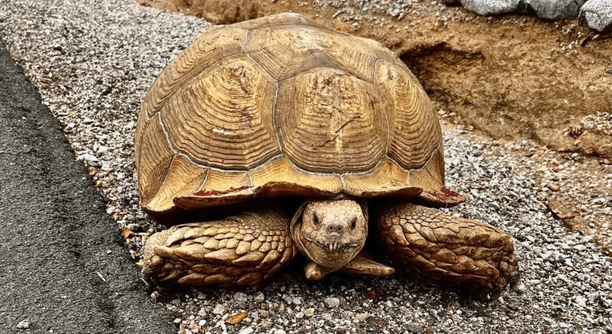
Swollen eyes in sulcata tortoises can be a sign of various health issues. Understanding the causes behind this condition is essential for proper care and treatment. This article will explore the most common reasons for swollen eyes in these tortoises.
Swollen eyes in sulcata tortoises are often caused by infections, dehydration, poor diet, or environmental stress. Overexposure to direct sunlight, improper humidity levels, or injuries can also contribute. Addressing the underlying cause promptly ensures better health outcomes.
Identifying the specific cause will help improve your tortoise’s health and prevent further complications. Taking care of these factors can lead to a healthier and happier tortoise.
Dehydration and Its Impact on Swollen Eyes
Dehydration is one of the most common causes of swollen eyes in sulcata tortoises. When they don’t get enough water, their bodies can become stressed, leading to various health issues. Dehydration often causes their skin to look dry and their eyes to appear puffy or swollen. Since tortoises are sensitive to the humidity levels in their environment, it’s crucial to maintain the right balance. A lack of water or an inadequate humidity level in their habitat can worsen this issue. Ensure that your tortoise has constant access to fresh water, and consider using a humidity chamber to keep the environment moist.
Sometimes, a simple increase in water intake or proper humidity adjustments can resolve the swelling. If the problem persists, dehydration may have caused internal issues that need veterinary attention. Preventing dehydration is easier than treating the underlying damage, so it’s important to stay ahead by providing the right conditions for your sulcata tortoise.
Proper hydration and a well-maintained environment are vital to your tortoise’s overall well-being. Keep the water bowl clean, and consider misting your tortoise’s enclosure to prevent dehydration-related problems.
Poor Diet and Nutritional Deficiencies
A poor diet can be a significant factor in causing swollen eyes. Sulcata tortoises need a balanced diet rich in fiber, calcium, and essential vitamins. If they are lacking in key nutrients, their immune system may become weakened, making them more susceptible to infections and swelling. Without proper calcium, for example, tortoises may suffer from metabolic bone disease, which can also affect their eyes.
To prevent this, offer a variety of leafy greens, hay, and the occasional fruit. Calcium-rich foods like dandelion greens and calcium supplements can also help maintain a healthy balance. Avoid feeding them too much fruit, as it can lead to an imbalance in nutrients.
A well-rounded diet not only supports eye health but helps avoid other long-term health issues. A diet lacking essential vitamins can make your tortoise more prone to infections, leading to swelling or other serious conditions.
Environmental Stress
Environmental stress is a common factor that contributes to swollen eyes in sulcata tortoises. A sudden change in temperature or humidity can cause stress, which can lead to puffiness in their eyes. Ensuring stable environmental conditions is essential for their health.
Tortoises thrive in warm, dry climates with humidity levels around 30-50%. If the enclosure is too cold or humid, it can make your tortoise more vulnerable to eye problems. Providing a consistent temperature range and maintaining proper humidity levels will reduce stress and minimize the risk of swelling.
Additionally, sudden changes in lighting or too much handling can contribute to stress. Avoid moving your tortoise between extreme environments, and provide a quiet space for them to feel secure. Stress can weaken their immune system, making them more prone to infections that cause swollen eyes.
Infection and Eye Irritation
Infections are another common reason for swollen eyes in sulcata tortoises. Bacterial or fungal infections can develop when the tortoise’s immune system is weakened, often due to environmental factors or poor diet.
Symptoms of an eye infection include swelling, discharge, and redness around the eyes. If your tortoise shows these signs, it’s important to take action quickly. A vet can diagnose the infection and prescribe the appropriate treatment. In the meantime, maintaining a clean, dry environment will help prevent the infection from worsening.
In addition to bacterial and fungal infections, physical injuries can also cause eye irritation. Make sure the enclosure is free of sharp objects that could harm your tortoise. Regular check-ups can help catch infections early before they cause more damage.
Overexposure to Sunlight
Overexposure to direct sunlight can cause swelling in a sulcata tortoise’s eyes. Prolonged sun exposure without adequate shade can lead to dehydration and eye irritation. Providing areas of shade will help your tortoise avoid this issue.
In the wild, sulcata tortoises have natural shelters to escape the sun. In captivity, it’s important to create a balanced environment with both sunlight and shaded areas. Ensure they have the option to retreat from harsh sunlight, especially during the hottest parts of the day. Keeping their environment comfortable will prevent excessive eye swelling.
Injury
An injury to the eye or surrounding area can cause swelling and irritation. Even small accidents can result in swollen eyes. Always check for any signs of trauma in your tortoise’s eyes.
If you suspect an injury, examine the affected area closely. Swelling, discharge, or bruising around the eye can indicate an injury. In cases of trauma, it’s crucial to keep the tortoise calm and seek veterinary care for proper treatment.
FAQ
What should I do if my sulcata tortoise’s eyes are swollen?
If you notice swollen eyes, the first step is to assess the environment and ensure your tortoise has access to clean water and proper humidity. Check for possible injuries, infections, or dehydration. If the swelling persists or worsens, it’s best to visit a vet for a thorough examination and treatment. Early intervention is key to preventing further complications.
Can diet affect my tortoise’s eye health?
Yes, diet plays a significant role in overall health, including eye health. A balanced diet rich in vitamins and minerals is necessary for a healthy immune system. Deficiencies, particularly in vitamin A or calcium, can lead to various health issues, including eye problems. Offer a variety of leafy greens and provide proper calcium supplements to maintain a healthy diet.
How can I prevent dehydration in my sulcata tortoise?
To prevent dehydration, ensure your tortoise always has access to clean, fresh water. Regularly mist the enclosure to maintain humidity levels, especially in drier climates. If you notice signs of dehydration, such as dry skin or swollen eyes, provide additional water sources or soak your tortoise in lukewarm water to encourage hydration.
Could stress cause my tortoise’s eyes to swell?
Yes, environmental stress is a common cause of swollen eyes. Sudden changes in temperature, humidity, or lighting can cause stress, which can lead to swelling in the eyes. Keep your tortoise’s environment consistent, with appropriate temperatures and humidity levels. Avoid handling them excessively, as this can also cause stress.
How do I know if my tortoise has an eye infection?
Signs of an eye infection in sulcata tortoises include swelling, redness, discharge, or a cloudy appearance in the eyes. If you notice any of these symptoms, consult a vet for an accurate diagnosis and treatment plan. An untreated infection can lead to further complications, so prompt care is important.
What are the best conditions for my sulcata tortoise’s habitat?
Sulcata tortoises require a warm, dry environment with a temperature range of 80-90°F during the day and a cooler night temperature of 70-75°F. The humidity level should be between 30-50%. Provide areas of shade and access to a clean water bowl. Regularly check the humidity and temperature to ensure they stay within the recommended range.
Can eye irritation be caused by the bedding in my tortoise’s enclosure?
Yes, certain bedding materials can cause irritation. Avoid using dusty or chemically treated bedding, as these can irritate your tortoise’s eyes and respiratory system. Opt for natural bedding like coconut coir or shredded newspaper that is gentle on their eyes and skin.
How do I treat eye swelling caused by an injury?
If your tortoise’s swollen eyes are the result of an injury, clean the affected area gently with a damp cloth. Keep your tortoise in a calm, quiet environment to minimize further stress. If swelling doesn’t subside or if there’s visible damage, consult a vet for proper treatment. It’s important to monitor for signs of infection as well.
Is there a way to naturally boost my tortoise’s immune system?
To boost your tortoise’s immune system, ensure they are getting a balanced diet rich in vitamins and minerals. You can add variety to their meals by offering dark leafy greens, grasses, and occasional flowers. Proper hydration, a stable environment, and minimal stress also support a strong immune system.
Can I use eye drops on my tortoise?
It’s important not to use any eye drops or medications unless specifically recommended by a vet. Some products designed for humans or other animals can be harmful to your tortoise. Always consult a vet before applying any treatments to ensure they are safe and effective for your tortoise’s condition.
When should I take my sulcata tortoise to the vet for swollen eyes?
If your tortoise’s swollen eyes do not improve after adjusting the environment, diet, and hydration, or if the swelling worsens, it’s time to seek veterinary care. Immediate attention is necessary if you notice signs of infection or injury. Prompt veterinary care can help prevent further health issues.
Final Thoughts
Swollen eyes in sulcata tortoises can be caused by various factors such as environmental stress, infections, dehydration, or injuries. It’s essential to identify the underlying cause to address the issue properly. Regularly monitor your tortoise’s habitat to ensure that temperature, humidity, and lighting remain consistent. A comfortable environment can help reduce the risk of many health problems, including swollen eyes. By offering proper care, you can maintain your tortoise’s overall well-being and avoid unnecessary health complications.
Diet also plays an important role in eye health. A balanced diet rich in essential nutrients, like vitamins A and calcium, is crucial. If your tortoise’s diet is lacking, this could contribute to eye swelling and other health problems. Ensure you are providing fresh, high-quality greens and the appropriate supplements. Keep an eye on your tortoise’s eating habits and make adjustments when needed to ensure they get the necessary nutrition to stay healthy and strong.
If your sulcata tortoise’s swollen eyes don’t improve despite your efforts, seeking veterinary care is important. A vet will be able to determine whether the swelling is due to an infection, injury, or other medical issues. Timely medical attention can prevent the problem from worsening and help your tortoise recover faster. Regular health checks and early intervention are key to keeping your tortoise in good health. Proper care, attention, and veterinary guidance will ensure your sulcata tortoise leads a healthy and happy life.

Hello,
If you enjoy the content that we create, please consider saying a "Thank You!" by leaving a tip.
Every little bit helps us continue crafting quality advice that supports the health, happiness, and well-being of pets around the world, for pets of all shapes, sizes, and species.
We really appreciate the kindness and support that you show us!