
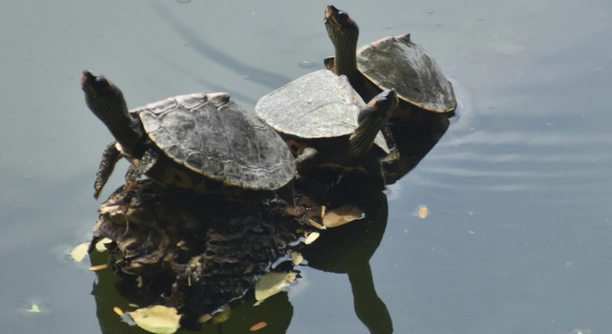
Indian Roofed Tortoises are fascinating creatures, but sometimes they experience stunted growth. Understanding the causes of this issue can help you ensure their proper development and well-being.
Several factors contribute to stunted growth in Indian Roofed Tortoises. These include inadequate diet, insufficient UVB light, poor habitat conditions, stress, dehydration, lack of exercise, and improper temperature regulation. Each element plays a significant role in their growth.
Identifying and addressing these common causes can help support your tortoise’s health and growth, ensuring they thrive in their environment.
Inadequate Diet: A Key Factor in Stunted Growth
A balanced diet is crucial for your Indian Roofed Tortoise’s growth. These tortoises require a varied diet consisting of leafy greens, vegetables, and some fruits. Without the right nutrients, they may not develop properly. Offering foods that are rich in calcium, vitamins, and minerals is essential.
Tortoises need a calcium-rich diet to support their shell growth and overall health. Without proper nutrition, their shells may become soft or deformed. A lack of vitamin D and other important nutrients can also hinder their ability to grow at a normal rate.
You can make sure your tortoise’s diet is balanced by providing leafy greens like dandelion greens, collard greens, and kale. Avoid overfeeding fruits and ensure that calcium supplements are included in their diet. If they aren’t getting enough nutrition from food alone, consider adding a specialized tortoise food mix. Proper feeding helps them grow to their full potential and keeps them healthy for years.
Insufficient UVB Lighting
Tortoises rely heavily on UVB light for their metabolic processes. Without adequate exposure to UVB rays, they cannot properly absorb calcium, which is vital for their shell and bone health. A lack of UVB light can significantly stunt their growth.
UVB lighting should be provided for at least 10 to 12 hours a day. Ensure the light is within the appropriate distance from your tortoise and that it’s replaced regularly. UVB light helps convert the calcium in their diet into a usable form, promoting healthy shell growth and overall development.
Stress and Overhandling
Stress can significantly hinder a tortoise’s growth. If they feel threatened or uncomfortable, their development may slow down. Overhandling is one common stress factor that can negatively affect their growth.
Constantly handling your tortoise, especially when they’re not used to it, can cause anxiety. Stress can also arise from environmental changes, loud noises, or the presence of other animals. Ensuring a calm and stable environment helps minimize stress levels. It’s also important to allow your tortoise time to adjust to new spaces before handling them. Over time, this will help support their natural growth and reduce any disruptions to their health.
Stress can also be caused by inadequate shelter or insufficient space. A cramped or overcrowded enclosure will make your tortoise feel unsafe. By giving them ample room and creating a secure environment, you reduce stress and encourage healthy growth.
Dehydration
Dehydration can quickly slow down your tortoise’s growth. Without enough water, they can become weak, lethargic, and unable to process nutrients properly.
Regular access to fresh water is essential for keeping them hydrated. You can also provide water by soaking them in a shallow dish for 15 to 20 minutes. Additionally, humidifying their environment can help them maintain proper hydration. Keep in mind that tortoises often get moisture from the food they eat as well, so incorporating hydrating veggies like cucumbers and squashes can support their hydration needs. By focusing on water intake and humidity, you’ll help your tortoise stay healthy and grow at a steady rate.
Poor Habitat Conditions
A proper habitat is essential for the growth of your tortoise. Poor lighting, incorrect temperatures, or an unsuitable substrate can all hinder their development. It’s crucial to mimic their natural environment as closely as possible.
If the enclosure is too cold or too hot, it will impact their metabolism and slow down growth. A stable, controlled temperature within their habitat ensures proper digestion and nutrient absorption. Proper humidity levels are also important for your tortoise’s overall health. Keeping their environment stable will support their growth and well-being.
Lack of Exercise
Exercise is important for tortoises to build strength and maintain healthy development. Without enough room to move around, they may not develop properly.
Allowing your tortoise to roam in a secure, spacious area encourages natural movement and exercise. Tortoises need space to walk, explore, and forage for food, which helps with muscle development. Regular exercise also aids digestion and prevents obesity.
Temperature Regulation
Temperature regulation directly affects your tortoise’s growth. Tortoises are cold-blooded and rely on their environment to regulate body temperature. If the temperature is too low, their metabolism will slow, leading to stunted growth.
Maintaining the correct temperature gradient within the enclosure is crucial for their health. This allows your tortoise to regulate its body temperature by moving to warmer or cooler areas as needed. The proper temperature range promotes healthy digestion, mobility, and growth. A heat lamp or ceramic heater can be used to create a warm zone, while a cooler area provides balance.
FAQ
How do I know if my tortoise is not growing properly?
If your tortoise is not growing as expected, you may notice signs like a lack of weight gain, a smaller shell, or delayed physical development. In some cases, the shell may appear soft or deformed. If you observe any of these signs, it’s important to check their diet, habitat, and overall care routine. A visit to a reptile vet can help confirm any issues related to growth or health.
What can I do to improve my tortoise’s growth rate?
Improving your tortoise’s growth involves providing a balanced diet with calcium, vitamins, and minerals, ensuring proper UVB lighting, and maintaining the correct temperature and humidity in their habitat. Additionally, regular hydration, exercise, and reducing stress are key factors in supporting healthy growth.
Can stress really affect my tortoise’s growth?
Yes, stress can negatively impact growth in tortoises. Stress from overhandling, sudden changes in environment, or incompatible tank mates can cause stunted growth. It’s important to create a peaceful and stable environment for your tortoise, limiting stress factors and giving them time to adjust to any changes.
How much space does my tortoise need to grow properly?
Tortoises need plenty of space to grow and move around. A cramped or overcrowded enclosure can lead to stress and hinder their growth. A general guideline is to provide at least 4 square feet of space for smaller tortoises, with larger species needing more room. Ensure they have enough space to roam, bask, and explore.
How often should I feed my tortoise to encourage healthy growth?
Tortoises should be fed daily, offering a variety of leafy greens, vegetables, and occasional fruits. For younger tortoises, feed them every day to support their rapid growth. Adult tortoises can have food every other day, depending on their species. It’s essential to offer a balanced diet that meets their nutritional needs.
What should I do if my tortoise is not eating enough?
If your tortoise isn’t eating, it could be a sign of stress, illness, or environmental issues. Make sure the habitat is the right temperature and humidity, and check if they are receiving proper lighting and a nutritious diet. You can also try offering a variety of foods to see if they show interest. If the problem persists, consult a vet for guidance.
Can a lack of UVB light cause stunted growth?
Yes, UVB light is essential for tortoises as it helps them metabolize calcium. Without adequate UVB exposure, your tortoise may suffer from metabolic bone disease, leading to stunted growth and weakened shells. Providing a proper UVB light source within their enclosure is crucial to their overall health and growth.
How do I maintain proper humidity levels for my tortoise?
To maintain the proper humidity, you should keep a shallow water dish in your tortoise’s enclosure and mist their habitat regularly. The humidity level should be adjusted based on your species’ needs, but most tortoises thrive in a range of 40-60%. Proper humidity helps in shedding and prevents dehydration, contributing to healthy growth.
Can temperature fluctuations affect my tortoise’s growth?
Yes, sudden temperature fluctuations can disrupt your tortoise’s metabolism and slow their growth. Tortoises need a stable environment with a warm basking area and cooler zones. Using a thermometer to monitor the temperature and adjusting your heating setup will help maintain a consistent environment.
How do I make sure my tortoise gets enough calcium?
To ensure your tortoise gets enough calcium, offer calcium-rich foods like dark leafy greens (collard greens, kale) and supplement with a calcium powder. If needed, you can also use calcium supplements in their food or dust their greens with the powder. Calcium is vital for shell development and overall bone health.
Is it normal for my tortoise to stop growing at a certain age?
Tortoises experience rapid growth in their early years, and it’s normal for growth to slow down as they reach adulthood. The rate of growth decreases after the first few years, and at around 5-10 years, most tortoises reach their full size. If growth stops suddenly at a younger age, check for environmental or health issues.
How can I reduce stress for my tortoise?
To reduce stress, make sure your tortoise has a quiet, secure, and spacious habitat. Avoid excessive handling and give them time to acclimate to changes in their environment. Providing enrichment, such as hiding spots, and keeping their environment stable can also reduce stress and support healthy growth.
Should I soak my tortoise?
Soaking your tortoise in shallow, warm water can help them stay hydrated, especially if they’re not drinking enough on their own. Soaking also aids in digestion and can help with shedding. Aim for 15-20 minute soaks a few times a week, depending on the species.
Can dehydration cause stunted growth in tortoises?
Yes, dehydration can lead to several health issues, including stunted growth. Tortoises that are not properly hydrated may become lethargic, and their metabolism will slow down. Make sure your tortoise has constant access to fresh water and consider soaking them regularly to prevent dehydration.
Final Thoughts
In conclusion, there are several factors that can contribute to stunted growth in Indian Roofed Tortoises. It is essential to ensure that your tortoise has a proper diet, access to the right UVB lighting, and the right habitat conditions. When these conditions are met, your tortoise has a better chance of growing to its full potential. Pay close attention to their environment, making sure the temperature, humidity, and space provided are suitable for their needs. Without the right environment, your tortoise may face developmental issues, which can affect its overall health and growth rate.
Diet plays a huge role in the growth of your tortoise. It’s important to offer a variety of leafy greens, vegetables, and the occasional fruit. Make sure the food provided is fresh and free from pesticides. Calcium and other minerals are also necessary for shell development and overall bone health. If your tortoise isn’t eating enough, it could be due to stress, temperature fluctuations, or other health concerns. In such cases, adjusting the environment or consulting a vet may be necessary. Keeping a consistent feeding schedule and providing appropriate supplements can help support healthy growth.
Finally, always keep an eye on your tortoise’s behavior and physical condition. If you notice any signs of stunted growth, such as a smaller shell or slow development, don’t hesitate to review the care routine. Regular vet checkups are also a good way to catch any potential health problems early. Tortoises are resilient creatures, but their growth and well-being depend on how well they are cared for. By providing the right care, attention, and environment, your tortoise will have the opportunity to grow to its full size and live a long, healthy life.

Hello,
If you enjoy the content that we create, please consider saying a "Thank You!" by leaving a tip.
Every little bit helps us continue crafting quality advice that supports the health, happiness, and well-being of pets around the world, for pets of all shapes, sizes, and species.
We really appreciate the kindness and support that you show us!