
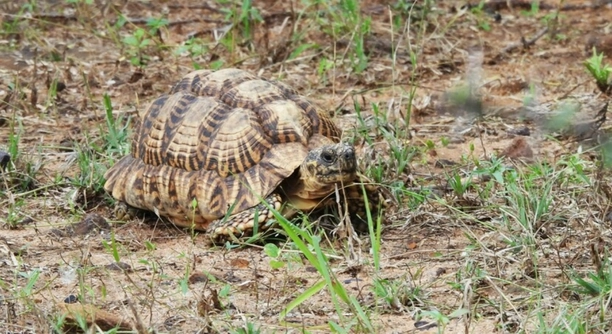
Star tortoises are wonderful pets, but like any animal, they can experience health issues. One of the most common problems is foot issues, which can affect their mobility and overall well-being.
Foot problems in star tortoises often arise from improper habitat conditions, poor diet, and lack of exercise. Over time, these factors can lead to painful conditions like sores, infections, or even deformities.
By understanding the causes of these issues and how to prevent them, you can help your star tortoise stay happy and healthy for years to come. Keeping their environment clean, providing proper nutrition, and regular check-ups are key.
1. Poor Habitat Conditions
A clean, safe environment is crucial for a star tortoise’s well-being. When their living space is too damp, too dry, or too dirty, it can lead to foot problems. A dirty enclosure with sharp objects can cause wounds on their feet, leading to infections. Lack of proper lighting and humidity can also affect the tortoise’s overall health. Their feet, which are sensitive to changes in their surroundings, will be impacted first when things aren’t right. Even a small issue in their environment can lead to bigger health concerns.
Keeping their space clean and consistent is essential for preventing foot issues. Regularly spot cleaning their habitat and ensuring the substrate is dry helps avoid bacteria build-up. It’s also important to provide areas for them to bask in, as warmth promotes healing and overall health.
Tortoises need a stable environment. This includes both temperature and humidity control. Too much moisture can cause their feet to become soft and prone to fungal infections. Likewise, excessive dryness can lead to cracking or dehydration. Check the conditions of their habitat regularly, adjusting as needed. A proper environment sets the stage for your star tortoise’s health, especially for their delicate feet.
2. Improper Diet
A star tortoise’s diet directly affects their overall health, including their feet. Malnourishment or an unbalanced diet can weaken their immune system, making them more vulnerable to infections and other issues. Calcium and vitamin D3 deficiencies, for example, can lead to poor shell and bone development, affecting the feet as well.
A balanced diet with plenty of greens and calcium-rich foods will keep your tortoise strong and prevent foot-related problems. Offering a variety of foods like grasses, weeds, and vegetables ensures they get the nutrients they need.
While many might think a diet full of leafy greens is enough, a lack of proper supplements or variety can still result in health problems. Your star tortoise needs more than just greens; the right nutrients help keep their feet and body strong. Calcium is particularly important for their bones, including the ones in their feet.
3. Lack of Exercise
Star tortoises need plenty of space to move around. If they don’t have enough room to roam, their feet can become weak and prone to issues. A sedentary lifestyle can also cause obesity, which puts extra pressure on their legs and feet. When not allowed to exercise, tortoises can develop joint and foot problems over time.
Providing a spacious enclosure where they can roam freely encourages natural movement and exercise. A larger area mimics their wild habitat, where they walk long distances every day. Offering obstacles like rocks or logs can also provide them with opportunities to climb and stay active.
A lack of movement may lead to other health complications, including poor circulation and joint stiffness. Star tortoises are designed to walk, and without enough physical activity, their overall health, including their feet, will suffer. A good balance of space and exercise will help maintain their muscle strength and overall condition, preventing foot-related issues.
4. Infections
Foot infections are a common problem in star tortoises, often caused by poor hygiene or injury. When a tortoise’s foot is wounded or exposed to harmful bacteria, it can quickly develop an infection. The wound may become swollen, red, or even develop pus. These infections can be painful and affect their mobility.
Keeping their habitat clean is key to preventing infections. If you notice any signs of injury or infection, it’s important to treat them immediately. Using clean, antiseptic solutions can help prevent bacteria from setting in. If the infection worsens, seeking veterinary care is necessary.
It’s also important to regularly check their feet for any signs of damage or swelling. Scrapes or cuts from rough surfaces can easily become infected if left untreated. By keeping their environment clean, treating injuries early, and providing a safe space for them to roam, you can minimize the risk of infection. A little attention goes a long way in keeping your star tortoise healthy.
5. Overly Soft Substrate
Using the wrong type of substrate in their habitat can contribute to foot issues. If the bedding is too soft, it may not provide proper support, causing strain on their feet. Soft bedding also traps moisture, which can lead to fungal infections or other foot-related problems.
It’s important to choose a substrate that is both firm and dry. Sand, coconut fiber, or a mix of materials provides better support and allows the feet to stay healthy. Avoid overly soft bedding like shredded paper or cotton, which can lead to more foot problems over time.
A firm substrate helps mimic the natural environment of a tortoise, where they typically walk on harder surfaces. Proper bedding will prevent their feet from becoming weak, sore, or prone to infections, allowing them to move around more freely.
6. Dehydration
Dehydration can impact a star tortoise’s health in many ways, including causing issues with their feet. When they’re not properly hydrated, their skin and tissues can become dry, leading to cracked or swollen feet. Dehydration also weakens the immune system, making them more susceptible to infections.
Always provide fresh water in their enclosure and ensure they have access to it regularly. Soaking your tortoise once or twice a week in shallow water can help keep them hydrated, especially if they’re not drinking enough on their own.
Keeping a water dish clean and ensuring it’s easy for them to drink from can make a big difference in preventing dehydration. It’s a simple way to maintain your star tortoise’s overall health, including the health of their feet.
FAQ
What are the signs of foot problems in a star tortoise?
The most common signs of foot problems in a star tortoise include swelling, redness, sores, or cracks on their feet. You may also notice limping, reluctance to walk, or a change in their usual behavior. If a tortoise is favoring one foot, it’s a sign that something might be wrong. Keep an eye on their feet during regular check-ups to spot any early signs of issues. It’s also important to check for any discharge, which could indicate an infection.
How can I treat foot infections in star tortoises?
If you notice a wound or infection on your tortoise’s foot, the first step is to clean it with a mild antiseptic, like diluted Betadine or saline solution. Gently clean the affected area to remove dirt and debris. Keep the injured foot dry and clean, as moisture can worsen the infection. If the infection persists or worsens, consult a veterinarian who specializes in reptiles. They may prescribe antibiotics or other treatments to help your tortoise recover.
Can a poor diet cause foot problems in star tortoises?
Yes, a poor diet can contribute to foot problems in star tortoises. If their diet lacks essential nutrients like calcium or vitamin D3, their bones and feet can become weak. Calcium is crucial for bone strength, and without it, tortoises can develop metabolic bone disease, which affects their legs and feet. A well-balanced diet with a variety of leafy greens, vegetables, and calcium supplements will help prevent these issues. Always ensure your tortoise is getting the nutrients they need for strong bones and healthy feet.
What kind of substrate is best for star tortoises to prevent foot problems?
The best substrate for star tortoises is one that is firm, dry, and allows for proper drainage. Coconut fiber, sand, or a mix of soil and sand are great choices. These materials allow your tortoise’s feet to stay strong and prevent softening or infections caused by excess moisture. Avoid using soft substrates like shredded paper or cotton, as they can cause pressure on the feet and retain moisture, leading to foot problems.
How can I keep my star tortoise hydrated to prevent foot issues?
Proper hydration is essential to prevent foot problems. Always provide fresh water in your tortoise’s enclosure. Some tortoises may not drink water regularly, so soaking them in shallow water a couple of times a week can help maintain hydration. Dehydration can lead to dry, cracked skin and feet, so it’s important to make sure they are getting enough fluids. You can also mist the enclosure occasionally to help maintain humidity and keep their skin and feet from drying out.
Why is exercise important for preventing foot problems in star tortoises?
Exercise is important for star tortoises because it helps maintain their muscle strength and joint flexibility, which in turn supports healthy feet. A lack of exercise can lead to weakened muscles and obesity, which can put extra pressure on their feet and cause problems. By providing plenty of space for your tortoise to roam and encouraging movement, you can prevent foot-related issues. If their enclosure is too small, consider increasing the area to give them more space to exercise.
What causes swollen feet in star tortoises?
Swollen feet in star tortoises can be caused by several factors, including injury, infection, or poor circulation. If a tortoise has been walking on rough surfaces or has a wound, the foot can become swollen as part of the healing process. Infections can also cause swelling, often accompanied by redness or discharge. In some cases, swollen feet may be due to metabolic issues or poor diet. Make sure your tortoise has access to a clean environment, a balanced diet, and regular veterinary check-ups to prevent swelling.
How can I prevent fungal infections in my tortoise’s feet?
Fungal infections can develop in a tortoise’s feet due to excess moisture or dirty environments. To prevent fungal infections, make sure their habitat is clean and dry, with good ventilation. Avoid overly moist substrates, and provide a basking area where they can dry off. Regularly inspect their feet for signs of infection, and clean any wounds with antiseptic if necessary. Keeping their environment clean and ensuring proper humidity levels will go a long way in preventing fungal infections.
Can temperature and humidity affect my tortoise’s feet?
Yes, improper temperature and humidity levels can negatively impact your tortoise’s feet. Too much moisture in the air or substrate can lead to fungal infections or soften the skin, making it more prone to injury. On the other hand, excessively dry conditions can lead to cracking of the feet or dehydration. Ensure that your tortoise’s habitat has consistent temperatures and humidity levels, with a basking area for warmth and a cooler area for resting. Monitoring these levels regularly will help keep their feet healthy.
How often should I check my star tortoise’s feet for problems?
It’s important to check your tortoise’s feet regularly, at least once a week, to spot any early signs of problems. During the check-up, look for signs of injury, infection, or swelling. Gently handle their feet to check for any discomfort or abnormalities. Regular checks help catch issues before they become serious, allowing you to take action quickly and prevent further damage to their feet. If you notice anything unusual, consult a vet to ensure their health is maintained.
Can star tortoises recover from foot problems?
Yes, star tortoises can recover from foot problems, but the recovery process depends on the severity of the issue. Minor injuries or infections can usually be treated with proper care, such as cleaning and topical treatments. For more serious issues, like fractures or severe infections, veterinary intervention may be necessary. Early detection and treatment are key to a successful recovery. With the right care, most foot problems can be resolved, allowing your tortoise to continue living a healthy life.
How can I prevent my star tortoise from getting foot problems in the future?
To prevent foot problems in the future, provide a clean and safe environment, proper diet, and regular exercise. Ensure their habitat is large enough to allow for movement and that the substrate is appropriate. Keep their feet clean and inspect them regularly for signs of damage or infection. Providing a balanced diet rich in calcium and ensuring proper hydration will also help maintain healthy feet. Regular check-ups and a bit of attention to their care can go a long way in preventing foot issues.
Final Thoughts
Taking care of a star tortoise’s feet is an essential part of their overall health. Their feet support them in every movement, and if left unchecked, small issues can turn into big problems. Regular monitoring of their feet, along with maintaining a clean and comfortable habitat, is key. Star tortoises thrive in environments that mimic their natural habitat. Keeping their space dry, providing proper lighting, and making sure they have enough room to roam will ensure they stay healthy and active. A little attention to detail can go a long way in preventing painful foot problems.
Diet also plays an important role in keeping your star tortoise’s feet in good shape. A well-balanced diet with proper nutrients like calcium and vitamin D3 is essential for strong bones and overall health. Star tortoises need more than just leafy greens; offering a variety of vegetables, grasses, and some occasional supplements helps ensure they get everything they need. Malnutrition or deficiencies can weaken their bones, making their feet more susceptible to injury and infection. Providing a proper diet can prevent many foot problems before they even begin.
Lastly, regular exercise is crucial. Tortoises need space to move around and stay active. A lack of exercise can lead to weak muscles and put extra pressure on their feet, which can cause long-term problems. Encouraging natural movement by providing a large enough enclosure with different surfaces for climbing or walking helps keep their muscles strong. While it might seem simple, a clean environment, a healthy diet, and plenty of movement will prevent most foot problems and keep your star tortoise happy and healthy. With the right care, your tortoise can enjoy a long life without foot issues holding them back.

Hello,
If you enjoy the content that we create, please consider saying a "Thank You!" by leaving a tip.
Every little bit helps us continue crafting quality advice that supports the health, happiness, and well-being of pets around the world, for pets of all shapes, sizes, and species.
We really appreciate the kindness and support that you show us!