
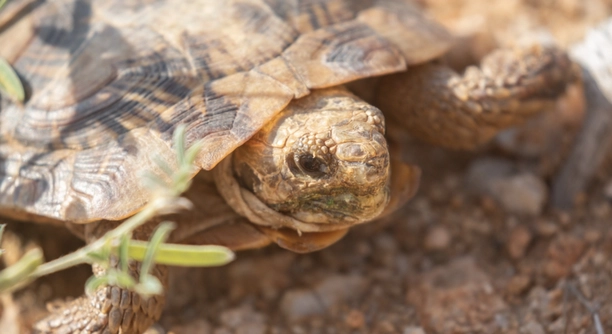
Pancake tortoises are unique creatures, but like all pets, they can be prone to various health issues. Skin infections are a common concern, affecting their well-being. Understanding these issues can help ensure your pet stays healthy and happy.
Common causes of skin infections in pancake tortoises include bacterial or fungal exposure, poor habitat conditions, parasites, and physical injury. Stress and poor diet can also weaken their immune system, making them more susceptible to infections. Proper care and maintenance are essential.
By identifying the factors behind skin infections, you can take steps to prevent them and promote a healthier environment for your tortoise.
Bacterial Infections
Bacterial infections are one of the most common causes of skin issues in pancake tortoises. These infections can develop when the tortoise’s environment is not properly maintained or when their immune system is compromised. Bacteria such as Staphylococcus and Pseudomonas can thrive in dirty or damp conditions. When tortoises are kept in a habitat with poor sanitation, the risk of bacterial contamination increases significantly. Stress, improper diet, or overcrowding can further weaken their immune defenses, making them more susceptible to infections.
It is crucial to clean their living space regularly to reduce bacterial exposure. This includes disinfecting surfaces and removing waste promptly. A well-ventilated and dry environment will limit the growth of harmful bacteria.
If a pancake tortoise develops a bacterial infection, it is often seen through skin lesions or discharge. Antibiotics, prescribed by a vet, can help treat the infection, but the focus should be on preventing future occurrences by maintaining optimal living conditions and a balanced diet.
Fungal Infections
Fungal infections can also affect pancake tortoises, especially when they are housed in warm and humid conditions. These fungi can thrive in damp, stagnant areas where proper airflow is lacking. Common fungal infections include Aspergillus and Mucor, which can cause skin irritation, swelling, and discomfort.
To avoid fungal growth, ensure their enclosure is not overly humid and provide adequate heating and ventilation. Keeping the tortoise dry will reduce the likelihood of fungi developing on their skin.
Parasitic Infections
Parasites like mites, ticks, and fleas are common issues for pancake tortoises. These pests can lead to skin irritation, causing itching and inflammation. In severe cases, parasites can damage the tortoise’s skin and overall health. Keeping your tortoise’s environment clean and free of pests is vital to preventing these infections.
Regularly check your tortoise for external parasites, especially around the neck, legs, and shell. If you notice unusual behavior like scratching or rubbing against surfaces, it’s worth consulting a vet for proper treatment. Pesticide use should be done cautiously, as some chemicals may harm your tortoise.
In some cases, parasites can cause long-term issues if not treated quickly. A veterinarian can prescribe antiparasitic treatments to remove these pests, and they may also recommend environmental changes to prevent re-infestation. Maintaining proper hygiene in the tortoise’s habitat is essential in keeping pests at bay.
Physical Injury
Accidents or injuries can also lead to skin infections in pancake tortoises. Scrapes, cuts, and other wounds may become infected if not treated properly. These injuries are often caused by rough handling, sharp objects, or accidental falls within their habitat. A small injury may look minor but can quickly escalate into an infection if exposed to harmful bacteria.
To prevent injury, ensure the tortoise’s environment is free of hazards like sharp rocks, uneven surfaces, or objects that could cause harm. Gently handling the tortoise when necessary will also minimize the risk of physical injury. If a wound occurs, cleaning it with a mild antiseptic and keeping the area dry is essential for preventing infection.
If an injury becomes infected, it is crucial to seek veterinary care promptly. A vet may clean the wound, apply ointments, or prescribe antibiotics to speed up recovery. Ensuring the tortoise is not stressed during recovery will help avoid complications.
Stress
Stress is often an overlooked factor that can contribute to skin infections in pancake tortoises. A stressed tortoise’s immune system may become weaker, making it more susceptible to infections. Stress can come from various sources, such as changes in environment, diet, or social factors.
To help manage stress, try to maintain a stable environment. Avoid frequent handling and sudden changes in the habitat. Provide hiding spots to help your tortoise feel secure, and make sure they have enough space to move freely. A calm and consistent routine can help reduce stress and promote overall health.
Diet
A poor diet can directly impact the health of a pancake tortoise’s skin. Without essential nutrients, the tortoise’s immune system may struggle to fight off infections. A balanced diet with appropriate levels of calcium, vitamins, and protein is critical for skin health.
Offering a variety of fresh vegetables, fruits, and plant matter ensures the tortoise receives the proper nutrients. Avoid overfeeding high-fat or high-protein foods, as these can lead to obesity and other health problems. A healthy diet is the foundation of a strong immune system and can help prevent skin infections.
Temperature and Humidity
Proper temperature and humidity are crucial for preventing skin issues in pancake tortoises. If the habitat is too humid, it can create an environment that promotes bacterial or fungal growth. Similarly, extreme temperature fluctuations can cause stress and weaken the immune system.
Keep the temperature and humidity at the recommended levels for pancake tortoises, ensuring they have access to both a warm and cool area. A reliable thermometer and hygrometer are essential tools for monitoring conditions.
FAQ
What are the signs of a skin infection in pancake tortoises?
Skin infections in pancake tortoises often present as lesions, swelling, or a change in the color or texture of the skin. You might also notice scabs or discharge around the affected areas. The tortoise may scratch or rub its skin more than usual, indicating discomfort. If the infection is severe, the tortoise could become lethargic or show signs of reduced appetite.
How do I prevent bacterial infections in my pancake tortoise?
To prevent bacterial infections, it is essential to keep the tortoise’s living environment clean and dry. Regularly disinfect their enclosure and replace soiled bedding. Providing a spacious habitat with proper ventilation will also reduce the risk of bacterial growth. Additionally, a healthy diet can strengthen their immune system, helping them resist infections.
What can I do if my tortoise has a fungal infection?
If you suspect a fungal infection, it’s best to consult a veterinarian for proper diagnosis and treatment. Treatment may include antifungal medications, which should be applied under the vet’s guidance. Ensuring proper humidity and ventilation in the habitat will also help prevent future fungal outbreaks.
How can I treat parasites on my tortoise?
To treat parasites like mites or ticks, consult a vet who can prescribe an appropriate antiparasitic treatment. Clean the tortoise’s habitat thoroughly, removing any pests and disinfecting surfaces. Regularly inspect your tortoise for signs of parasites, and keep their living area clean to avoid reinfestation.
Can physical injury lead to skin infections?
Yes, physical injuries can lead to infections. Scrapes and cuts can become infected if not treated properly. If your tortoise gets injured, clean the wound gently with a mild antiseptic, and keep the area dry to prevent bacterial growth. If the injury worsens or shows signs of infection, seek veterinary care.
How do I know if my tortoise is stressed?
Signs of stress in a pancake tortoise include excessive hiding, refusal to eat, frequent pacing, or scratching. A stressed tortoise might also become more aggressive or lethargic. Stress can result from changes in environment, improper handling, or poor diet. Keeping a consistent routine and minimizing disruptions can help reduce stress.
What is the best diet for a pancake tortoise to prevent skin infections?
A balanced diet rich in fiber, calcium, and vitamins is essential for preventing skin infections. Provide fresh vegetables, leafy greens, and a small amount of fruit. Avoid high-protein or fatty foods, as they can lead to obesity and other health issues. Ensuring proper hydration is also important for skin health.
Can I use over-the-counter products to treat skin infections?
It’s not recommended to use over-the-counter products without consulting a veterinarian first. Many over-the-counter products can be too harsh for a tortoise’s sensitive skin or may not address the underlying issue properly. A veterinarian can recommend the most effective and safe treatments based on the infection’s type and severity.
How often should I clean my tortoise’s enclosure?
Cleaning the enclosure regularly is important for preventing infections. It’s best to remove waste and spot clean daily. A deep cleaning should be done weekly or bi-weekly, depending on the size of the enclosure and the number of tortoises. Disinfect all surfaces and replace bedding as needed.
What should I do if my tortoise is not eating?
If your tortoise stops eating, it could be a sign of illness, stress, or poor environmental conditions. First, check the habitat to ensure the temperature and humidity levels are optimal. If the environment is fine and the tortoise still refuses to eat, contact a veterinarian for further evaluation.
How can I avoid fungal infections in my tortoise’s habitat?
To prevent fungal infections, ensure that the tortoise’s habitat has proper airflow and ventilation. Avoid keeping the habitat too humid, as this creates a perfect breeding ground for fungi. Regular cleaning and disinfecting of the enclosure are crucial to remove any fungal spores that may cause infection.
What is the ideal temperature and humidity for a pancake tortoise?
Pancake tortoises thrive in temperatures between 75°F to 85°F (24°C to 29°C). The enclosure should have a warm area of around 90°F (32°C) and a cooler area where the tortoise can retreat. The humidity should be around 50-60%. Too much humidity can encourage fungal growth, while too little can dry out their skin.
Is it necessary to take my tortoise to the vet regularly?
While regular vet visits are not mandatory, it’s a good idea to have your tortoise checked by a vet at least once a year. Routine check-ups can catch any health issues early. If you notice any signs of infection or abnormal behavior, take your tortoise to the vet promptly to avoid complications.
What types of bedding are best for preventing skin infections?
Use bedding materials like coconut husk, cypress mulch, or paper-based products. Avoid cedar or pine shavings, as they can irritate a tortoise’s skin and respiratory system. Keep the bedding dry and clean to prevent bacterial and fungal growth. Replacing bedding regularly will ensure a healthier environment for your tortoise.
How do I help my tortoise recover from a skin infection?
To help your tortoise recover, follow the vet’s instructions carefully. Provide a clean and calm environment to reduce stress. Ensure the tortoise is eating well, staying hydrated, and receiving appropriate treatments. Monitor the infection closely, and if the condition worsens, consult your vet for further guidance.
Final Thoughts
Skin infections in pancake tortoises are a serious concern and can impact their overall health and well-being. These tortoises, like other reptiles, are prone to various types of skin issues, including fungal, bacterial, and parasitic infections. The causes of these infections can range from poor environmental conditions to stress, diet, or physical injuries. It’s important to be aware of the signs of infection, such as unusual skin changes, lesions, or discharge, and take action promptly. Early detection and proper care are essential to avoid complications that could lead to long-term health problems for your tortoise.
Maintaining a clean and stable environment for your pancake tortoise is one of the most effective ways to prevent skin infections. Ensuring the correct temperature, humidity, and space in the enclosure is vital. Stress can also weaken their immune system, making them more vulnerable to infections. Therefore, it’s important to provide a secure and consistent environment. Additionally, offering a balanced diet full of essential nutrients helps strengthen their immune system, further reducing the risk of skin infections. Providing regular health check-ups and a proper diet can go a long way in preventing health problems in your tortoise.
If you notice signs of a skin infection, don’t hesitate to consult a veterinarian. While home remedies may help with minor issues, professional guidance ensures the right treatment. Whether it’s a bacterial infection, a fungal issue, or parasites, treating the infection early can prevent it from worsening. A good relationship with a reptile-savvy vet is invaluable in keeping your tortoise healthy and happy. By staying proactive about their care, you can help your pancake tortoise live a long and healthy life.

Hello,
If you enjoy the content that we create, please consider saying a "Thank You!" by leaving a tip.
Every little bit helps us continue crafting quality advice that supports the health, happiness, and well-being of pets around the world, for pets of all shapes, sizes, and species.
We really appreciate the kindness and support that you show us!