
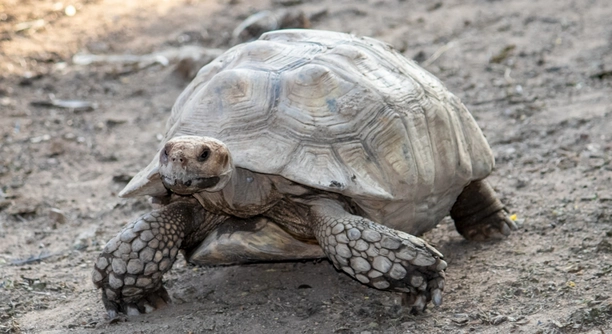
Shell softness in sulcata tortoises is a common concern for many tortoise owners. Identifying the causes behind this issue can help provide better care and improve their overall health. This article will outline common factors contributing to shell softness.
The main causes of shell softness in sulcata tortoises include poor diet, inadequate UVB lighting, dehydration, and lack of exercise. These factors can weaken the shell and lead to abnormal growth, making the tortoise vulnerable to injury or infection.
Understanding these causes will help you prevent shell softness in your tortoise and ensure they grow healthy and strong.
Inadequate Diet and Nutritional Deficiencies
A poor diet can contribute significantly to shell softness in sulcata tortoises. If their diet lacks essential nutrients, especially calcium, vitamin D3, and other minerals, their shells may not develop properly. Without calcium, the shell becomes soft and brittle, leaving it vulnerable to deformities or damage. Tortoises require a diet rich in leafy greens, grasses, and some vegetables, along with occasional fruit. It’s also important to provide a calcium supplement, either in the form of cuttlebone or powdered supplements.
Feeding your tortoise a balanced diet will promote strong shell development and overall health. Avoid feeding them foods high in oxalates, like spinach, as it can interfere with calcium absorption. Consistency in their diet is key to ensuring they receive the right amount of nutrients.
An unbalanced diet will weaken your tortoise’s shell and leave them susceptible to health problems. By paying attention to their food choices and offering variety, you can help prevent shell issues and ensure they grow up strong and healthy.
Lack of Proper UVB Lighting
UVB lighting is critical for the health of sulcata tortoises. Without it, they cannot process calcium properly, leading to shell problems. Tortoises need access to UVB light to produce vitamin D3, which is essential for calcium absorption. Without adequate UVB exposure, they can develop metabolic bone disease, which weakens the shell.
To ensure your tortoise gets enough UVB light, make sure they have a proper light source that mimics natural sunlight. UVB lights should be replaced regularly, as their effectiveness decreases over time. Ideally, the tortoise should also have some outdoor time when the weather permits, as natural sunlight is the best source of UVB.
Providing sufficient UVB light not only prevents shell softness but also supports your tortoise’s overall well-being. The right lighting is vital for maintaining strong bones and a sturdy, healthy shell. Don’t overlook this aspect of your tortoise’s care routine, as it can make a big difference in their growth and development.
Dehydration
Dehydration can lead to softening of the shell, as tortoises rely on proper hydration to maintain their physical structure. When a sulcata tortoise isn’t drinking enough water, their body becomes stressed, affecting shell integrity. Always provide fresh water daily and encourage drinking by soaking the tortoise regularly.
A sulcata tortoise in the wild would drink from natural water sources, so replicating this in captivity is essential. Offering shallow water dishes and misting their enclosure helps increase humidity, aiding hydration. Ensure the water is easy to access and refreshed regularly to prevent contamination.
Soaking your tortoise in lukewarm water for 20-30 minutes helps encourage hydration. This practice is especially beneficial during the hotter months. Keeping them well-hydrated prevents shell issues, supports digestion, and overall health. Proper hydration is key to your tortoise’s long-term wellbeing, so make it a priority in their care routine.
Insufficient Exercise
Tortoises need regular exercise to keep their muscles and shells strong. Without enough movement, the shell may become soft due to poor physical activity. Allowing your tortoise space to roam and explore ensures they stay active and can naturally develop a firm, healthy shell.
Make sure their enclosure provides enough room for them to walk and explore. A small, confined space limits their ability to stretch their legs and move, affecting shell development. Regular exercise also keeps their overall health in check, preventing weight issues that could harm their shell.
Providing a larger enclosure and outdoor time, when possible, promotes natural movement and activity. Tortoises enjoy digging, climbing, and exploring, which helps them maintain their physical health and shell integrity. Simply allowing your tortoise to move freely can help keep their shell strong and resistant to softness.
Improper Humidity Levels
Too much or too little humidity can affect the health of your sulcata tortoise’s shell. If the environment is too dry, the shell can become brittle and soft. Maintaining proper humidity in their habitat is important for their overall health and shell development.
A humidity level between 40-60% is ideal for sulcata tortoises. Use a hygrometer to monitor the humidity and adjust it if needed. If the humidity is too low, mist the enclosure or use a humidifier. Conversely, if it’s too high, make sure there is proper ventilation.
Humidity plays a vital role in keeping your tortoise’s shell firm. Too much dryness can lead to dehydration, while excessive moisture can cause skin issues. Adjusting humidity ensures a balanced environment that supports your tortoise’s shell and skin health.
Stress
Stress can lead to softening of the shell in sulcata tortoises. Constant stress affects their immune system and overall health, leaving them more susceptible to shell issues. A calm environment with limited disturbances is essential to reducing stress.
Avoid overcrowding in their enclosure and ensure they have a quiet, safe space. Too much handling or loud noises can trigger stress. Keeping their routine consistent also helps, as unpredictability can cause anxiety.
Stress not only impacts the tortoise’s mental health but can also lead to physical issues. Reducing stress is key to maintaining a healthy, strong shell.
FAQ
What should I feed my sulcata tortoise to prevent shell softness?
A balanced diet is crucial to prevent shell softness. Sulcata tortoises need high-fiber grasses, leafy greens, and some vegetables to stay healthy. Foods like dandelion greens, clover, and grasses should make up the bulk of their diet. Additionally, calcium is essential for their shell development, so provide cuttlebone or calcium powder regularly. Avoid feeding them foods with high oxalate content, like spinach, as it can hinder calcium absorption. Proper nutrition will ensure they develop a strong, healthy shell.
How can I make sure my tortoise is getting enough UVB light?
UVB light is essential for sulcata tortoises to metabolize calcium properly. To ensure they get enough, use a UVB light bulb specifically designed for reptiles. The bulb should be placed 10-12 inches from your tortoise and should be replaced every 6 months, as UVB light diminishes over time. Additionally, allowing your tortoise outdoor time in natural sunlight whenever possible will give them the best UVB exposure. This is important to prevent metabolic bone disease and ensure strong shell growth.
Can I provide my tortoise with a water dish to help with hydration?
Yes, providing your tortoise with a shallow water dish is a great way to help with hydration. Make sure the dish is easily accessible, and change the water daily to keep it clean. In addition to the water dish, it’s a good idea to soak your tortoise in lukewarm water for 20-30 minutes a few times a week. This helps promote hydration and supports their digestive health. Regular hydration will also help prevent shell softening caused by dehydration.
How much space should I provide for my sulcata tortoise?
Sulcata tortoises require a lot of space to roam and explore. A minimum enclosure size of 8×4 feet is recommended for an adult sulcata, with even more room as they grow. The larger the space, the more opportunity they have to move around and exercise, which supports muscle and shell health. If you can, providing outdoor space for your tortoise to graze and explore naturally will also improve their overall well-being. Keeping them in a small, confined area can lead to poor shell development and stress.
How can I tell if my tortoise is dehydrated?
Signs of dehydration in sulcata tortoises include sunken eyes, dry or flaky skin, and a soft shell. Dehydrated tortoises may also appear sluggish or refuse to eat. If you notice these symptoms, it’s important to increase their water intake and soak them regularly. Hydration is key to preventing shell softness and supporting overall health. Keep their water dish clean and accessible at all times, and consider offering fresh vegetables with high water content, such as cucumbers, to encourage drinking.
What should I do if my tortoise’s shell is soft?
If your tortoise’s shell is soft, first check its diet, lighting, hydration, and overall environment. Ensure they’re getting enough calcium through their diet or supplements and that they have access to proper UVB light. Soak your tortoise in warm water to help hydrate them and encourage regular drinking. If the problem persists, consult a veterinarian who specializes in reptiles. Soft shells can sometimes be a sign of more serious issues, like metabolic bone disease, which requires professional treatment.
What kind of exercise does my tortoise need?
Tortoises need regular exercise to stay healthy. Allowing them to roam freely in a secure area encourages natural movement, which helps keep their muscles and shells strong. Sulcata tortoises enjoy digging, climbing, and exploring, so giving them a spacious enclosure with varied terrain is ideal. Daily outdoor time, if possible, is beneficial, as it provides a natural environment where they can move more. Adequate exercise will help prevent shell problems and keep them physically fit.
Can stress affect my tortoise’s shell?
Yes, stress can negatively impact your tortoise’s health, including their shell. Stress can be caused by overcrowding, loud noises, handling too much, or sudden changes in their environment. It’s essential to provide a calm, quiet space where your tortoise feels safe and secure. A consistent routine and avoiding unnecessary handling will reduce stress levels. A stressed tortoise may also show signs of lethargy, poor appetite, or shell issues. Reducing stress improves their overall health and shell quality.
How often should I replace the UVB bulb?
UVB bulbs should be replaced every 6 months, even if they still seem to be working. Over time, their effectiveness diminishes, and they may not provide adequate UVB light for your tortoise to absorb calcium properly. Regularly replacing the bulb ensures that your tortoise receives the full benefits of UVB exposure, which is essential for their shell and bone health. Always check the manufacturer’s recommendations for specific bulb replacement guidelines, as some may need to be replaced sooner.
Final Thoughts
Taking care of a sulcata tortoise involves paying attention to several factors that can influence their shell health. A proper diet, UVB lighting, hydration, and regular exercise are essential to ensure that your tortoise grows up strong and healthy. By meeting these needs, you can help prevent soft shell problems and promote a long, healthy life for your tortoise. It’s important to be proactive in addressing potential issues before they become serious. If you notice any signs of shell softness or other health concerns, take action quickly to prevent further damage.
Remember, every tortoise is different, and what works for one may not work for another. You may need to adjust their care routine based on their specific needs, size, and living environment. If you’re ever unsure about your tortoise’s health, don’t hesitate to consult with a reptile veterinarian who can provide professional advice and treatment. Regular check-ups and staying informed about tortoise care will help ensure your tortoise stays in the best possible condition. This way, you can catch any potential problems early on and give your tortoise the best care.
Ultimately, caring for a sulcata tortoise is about consistency and creating a balanced environment that supports their natural behavior. They thrive in spaces where they can move freely, eat well, and have access to proper lighting. The more you learn about their needs and observe their behavior, the better you can care for them. With time, attention, and the right conditions, your sulcata tortoise will have a healthy, firm shell and a happy life.

Hello,
If you enjoy the content that we create, please consider saying a "Thank You!" by leaving a tip.
Every little bit helps us continue crafting quality advice that supports the health, happiness, and well-being of pets around the world, for pets of all shapes, sizes, and species.
We really appreciate the kindness and support that you show us!