
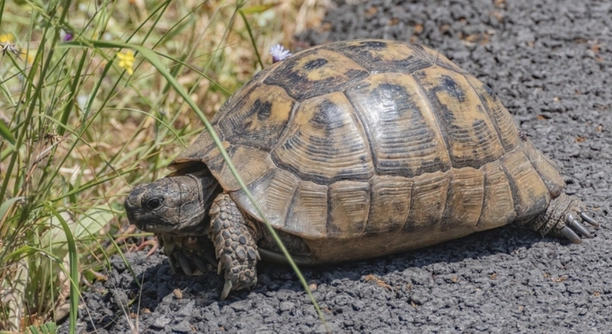
Shell rot is a common concern for owners of Greek tortoises. This condition can be caused by several factors that affect the health of their shells. Understanding the causes is key to keeping your tortoise healthy and happy.
The most common causes of shell rot in Greek tortoises include poor environmental conditions, improper diet, unsanitary living spaces, injury, bacterial infections, fungal infections, and inadequate humidity. Each factor contributes to weakening the shell, leading to rot.
Addressing these factors promptly can prevent further damage and promote better care for your tortoise. Keeping a clean environment and balanced diet can support their overall well-being.
Poor Environmental Conditions
One of the leading causes of shell rot in Greek tortoises is poor environmental conditions. Tortoises need an enclosure with the right temperature, humidity, and lighting to thrive. Without proper care, their shells can weaken and become vulnerable to infections. If the humidity is too high or low, it can create an environment that encourages bacterial or fungal growth. Additionally, a lack of proper UVB lighting can compromise their immune systems, making it harder for them to fight off infections. It’s essential to maintain a stable environment to prevent shell damage and promote good health.
Providing an optimal environment helps your tortoise thrive and reduces the risk of shell rot. Maintaining consistent temperature and humidity is vital to their health.
Make sure the tortoise’s habitat has a proper balance between heat and humidity. Use UVB lighting to mimic natural sunlight and boost their vitamin D3 production. Regular cleaning of the enclosure also plays a big role in preventing bacterial buildup, which can lead to shell rot. A clean, dry environment will help keep your tortoise’s shell healthy and strong. Avoiding overcrowded enclosures and ensuring they have enough space to move around is also crucial. Overcrowding can cause stress and make your tortoise more susceptible to disease. Keeping the enclosure well-maintained and following these practices will greatly reduce the risk of shell rot.
Improper Diet
An improper diet can contribute to shell rot, as Greek tortoises require a specific balance of nutrients for shell health. A diet too high in protein or low in fiber can lead to health issues, including weakened shells.
Feeding your tortoise the right balance of vegetables, leafy greens, and occasional fruits is crucial. Avoid feeding them foods high in fat or protein, as these can cause calcium imbalance and affect shell development.
Unsanitary Living Spaces
Dirty enclosures are a major risk factor for shell rot. Feces, food debris, and old bedding can create a breeding ground for harmful bacteria and fungi. This can quickly lead to infections that damage the tortoise’s shell. Regular cleaning of the living space is essential to prevent these issues.
Ensure that your tortoise’s habitat is cleaned regularly. Remove any waste and old food daily, and change the bedding often to maintain cleanliness. Use a safe disinfectant to scrub surfaces to avoid bacterial buildup. Dirty water should also be replaced frequently, as standing water can harbor harmful pathogens.
A clean, dry environment is vital to your tortoise’s health. When living spaces are kept sanitary, the risk of infection is minimized. Poor hygiene not only affects shell health but can also contribute to other health complications, like respiratory infections. It’s essential to provide your tortoise with a clean space to roam and rest to avoid further stress and health issues.
Injury to the Shell
Injuries to the shell can also lead to shell rot. A cracked or damaged shell can expose the tortoise to infections, especially if the wound is not properly treated. Injuries may occur from falls, rough handling, or sharp objects in the enclosure.
When a tortoise sustains an injury to its shell, immediate action is required. Gently clean the wound with warm water and apply an antiseptic that’s safe for reptiles. If the injury is severe, seek advice from a veterinarian to prevent infection and ensure proper healing. Always avoid putting your tortoise in situations where injury is likely, like allowing them to roam in unsafe areas.
Even small scratches can lead to complications if not addressed. Keeping the enclosure free from sharp objects and ensuring your tortoise isn’t exposed to unnecessary risks will help protect them from injuries. Prompt attention to any injuries, no matter how minor they seem, will go a long way in preventing shell rot.
Bacterial Infections
Bacterial infections are a common cause of shell rot. They can develop quickly if your tortoise’s shell becomes damaged or exposed to harmful bacteria. These infections can cause swelling, discoloration, and softening of the shell, leading to further complications.
To avoid bacterial infections, always clean wounds promptly and maintain a sterile environment. Regularly disinfect the enclosure and monitor your tortoise’s health closely. If you notice any unusual symptoms, such as foul odors or changes in the shell’s appearance, seek immediate veterinary care. Keeping your tortoise’s habitat clean can prevent bacterial buildup.
Fungal Infections
Fungal infections can also cause severe damage to a tortoise’s shell. These infections thrive in warm, moist environments, making them more common when the humidity levels in the habitat are too high. Fungal growth can cause dark, patchy spots on the shell.
To avoid fungal infections, maintain proper humidity levels and ensure your tortoise’s environment is well-ventilated. If you notice signs of fungus, such as discolored patches or rough areas on the shell, consult a vet for antifungal treatment. Reducing humidity or increasing airflow can help prevent future issues.
FAQ
What are the first signs of shell rot in Greek tortoises?
The early signs of shell rot in Greek tortoises include soft spots, discoloration, and swelling on the shell. You may also notice a foul smell, which can indicate an infection. If left untreated, the shell may begin to break down further, causing more damage. Checking your tortoise’s shell regularly for any changes can help catch shell rot early.
How do I treat shell rot in Greek tortoises?
Treatment for shell rot starts with cleaning the affected area. Use warm water to gently clean the shell and remove any debris. Apply a safe antiseptic recommended by your vet to prevent further infection. In severe cases, professional veterinary care may be required to remove decayed shell material and treat the underlying infection.
Can shell rot heal on its own?
Shell rot generally does not heal on its own. Once the shell is compromised, it is crucial to provide proper care to treat the infection. Without intervention, the rot can worsen and cause permanent damage. Seeking veterinary care is recommended for a full recovery.
What can I do to prevent shell rot?
To prevent shell rot, ensure your tortoise’s environment is clean and dry. Regularly disinfect their habitat and provide proper humidity and temperature levels. Avoid overwatering their enclosure, as excess moisture can promote fungal and bacterial growth. A balanced diet also supports shell health.
Is shell rot contagious to other tortoises?
No, shell rot is not contagious. It is typically caused by poor environmental conditions or injuries that allow bacteria or fungi to enter the shell. However, it’s still important to isolate an infected tortoise to prevent stress and promote healing.
How often should I clean my Greek tortoise’s enclosure?
Clean your Greek tortoise’s enclosure at least once a week, removing any waste and uneaten food daily. Regular cleaning helps prevent bacterial and fungal growth, reducing the risk of infections that could lead to shell rot. Spot-cleaning as needed ensures a healthier environment.
Can improper lighting cause shell rot?
Yes, inadequate lighting, especially UVB light, can weaken a tortoise’s immune system and contribute to shell rot. UVB light helps tortoises process calcium, which is essential for shell health. Without sufficient exposure, their shell may become brittle and more prone to infections.
What temperature should my tortoise’s habitat be to prevent shell rot?
The temperature of the enclosure should range from 75°F to 85°F (24°C to 29°C) during the day. At night, it can drop to around 70°F (21°C). This range helps maintain your tortoise’s health and supports proper immune function to fight off infections that can lead to shell rot.
Is shell rot painful for tortoises?
Yes, shell rot can cause significant discomfort and pain for tortoises. As the condition worsens, it can lead to swelling and infections that affect the tortoise’s overall well-being. Early treatment helps reduce pain and promotes quicker recovery.
Can I use home remedies to treat shell rot?
While home remedies like applying antiseptic to minor wounds can help in early stages, shell rot generally requires professional care. A veterinarian can assess the severity of the condition and provide the best treatment plan, including antibiotics or antifungal medications if needed.
Can shell rot cause long-term damage?
If left untreated, shell rot can cause permanent damage to your tortoise’s shell. The affected areas may not fully heal, and the shell could become weaker or misshapen. This could affect your tortoise’s ability to protect itself, making them more vulnerable to other health issues.
What types of food should I avoid to prevent shell rot?
Foods high in protein, fats, or moisture should be avoided, as they can cause an imbalance in your tortoise’s diet and affect their shell health. Stick to a diet rich in leafy greens, grasses, and high-fiber vegetables to support overall health and prevent shell rot.
How do I know if my tortoise’s shell is properly hydrated?
A properly hydrated tortoise will have a smooth, firm shell. Dehydration can cause the shell to appear soft or sunken in places. Make sure your tortoise has access to fresh water at all times, and consider providing misting or a humid hide if needed.
Can I prevent shell rot by giving my tortoise supplements?
Supplements, such as calcium and vitamin D3, can help strengthen your tortoise’s shell and prevent issues like softening. However, they should be given in appropriate amounts based on your tortoise’s age and dietary needs. Always consult with a veterinarian before adding supplements to your tortoise’s diet.
What should I do if my tortoise refuses to eat after developing shell rot?
Loss of appetite is common when a tortoise is stressed or unwell. If your tortoise refuses to eat, ensure they are in a calm environment and offer their favorite foods to tempt them. If the refusal continues, seek veterinary advice to address both the shell rot and the loss of appetite.
How long does it take for shell rot to heal?
Healing time depends on the severity of the rot and how quickly treatment is started. Mild cases can improve within a few weeks, while severe infections may require several months of care. Follow your vet’s treatment plan to ensure your tortoise heals properly.
Final Thoughts
Shell rot in Greek tortoises is a serious condition that requires prompt attention. If noticed early, it can be treated effectively and prevent further damage to the tortoise’s shell. Regular checks of the shell are essential for early detection. Keeping the tortoise’s living environment clean, dry, and properly maintained helps prevent shell rot. Ensuring the right humidity levels and proper lighting also supports overall health, which plays a big role in preventing shell issues.
Even though shell rot can seem overwhelming, it’s important to remember that with the right care and treatment, most tortoises recover fully. Following the advice of a veterinarian and maintaining a proper care routine will go a long way in promoting your tortoise’s health. The healing process can take time, but staying consistent with treatments will help the tortoise regain strength. Be patient and closely monitor your tortoise for any signs of improvement or further issues.
Preventing shell rot is always better than dealing with its effects. By ensuring your Greek tortoise’s habitat is optimal and regularly inspecting its shell, you can minimize the risks of infections. Providing a balanced diet, proper hydration, and correct lighting will help avoid conditions that could lead to shell rot. Taking these steps ensures that your tortoise remains healthy and happy, with a strong and resilient shell.

Hello,
If you enjoy the content that we create, please consider saying a "Thank You!" by leaving a tip.
Every little bit helps us continue crafting quality advice that supports the health, happiness, and well-being of pets around the world, for pets of all shapes, sizes, and species.
We really appreciate the kindness and support that you show us!