
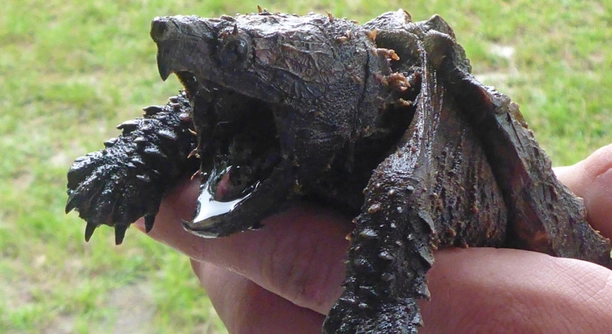
Shell rot is a common health issue for alligator snapping turtles that can lead to serious complications if not addressed. Understanding the causes of this condition is essential to keeping your turtle healthy and happy.
Shell rot in alligator snapping turtles typically results from poor water quality, inadequate basking areas, and injuries that allow bacteria to enter the shell. Preventing shell rot requires maintaining proper tank conditions and regular veterinary care.
By addressing these factors, you can help prevent shell rot and ensure your turtle’s shell remains strong and healthy.
Poor Water Quality
The water quality in your turtle’s habitat is one of the most significant factors in preventing shell rot. If the water is dirty or contains harmful bacteria, it can lead to infections in your turtle’s shell. Alligator snapping turtles thrive in clean, filtered water, which helps reduce the growth of harmful bacteria. Inadequate filtration or failure to change the water regularly can quickly create an unhealthy environment.
To keep your turtle healthy, invest in a high-quality filtration system to ensure the water remains clean. Also, make sure to perform regular water changes to avoid buildup of harmful substances.
The ideal water temperature for alligator snapping turtles is between 75-80°F. Temperatures outside this range can stress the turtle’s immune system, making it more susceptible to infections. Maintaining optimal conditions in their tank is key for their health. Avoid overcrowding in the tank as well, as it can reduce the oxygen level in the water, leading to further complications.
Inadequate Basking Areas
Turtles need access to basking areas to maintain their shell health. A proper basking spot allows them to dry off, which helps prevent bacteria growth and promotes the healing of their shell if it’s injured. If they don’t have an adequate area to bask, their shell may become damp and more vulnerable to rot.
A basking platform with UVB lighting is essential for ensuring your turtle stays healthy. This mimics natural sunlight, helping your turtle absorb the necessary nutrients for shell maintenance.
Injuries and Shell Damage
Injuries are a common entry point for bacteria that cause shell rot. A cracked or scratched shell can expose your turtle to infections. Even small wounds need attention to avoid complications. Be mindful of potential hazards in the tank that could cause injury.
If you notice any cracks or wounds on your turtle’s shell, take immediate action by cleaning the area gently and applying an appropriate antibiotic ointment. Make sure to monitor the injury for signs of infection, like swelling or discharge. In cases of severe damage, consult a veterinarian for professional care.
Shell damage can also occur when your turtle bumps into sharp objects in its environment. It’s important to ensure the tank is free from any materials that could potentially harm your turtle’s shell. Use smooth rocks and avoid items with sharp edges to prevent injury.
Poor Diet and Malnutrition
A poor diet can weaken your turtle’s immune system, making it more susceptible to shell rot. Turtles need a balanced diet with adequate vitamins and minerals, especially calcium, to maintain healthy shells. Without proper nutrition, their shell can become brittle or soft.
A good diet for an alligator snapping turtle includes a variety of fresh fish, insects, and leafy greens. Avoid feeding them only one type of food, as this can lead to nutrient deficiencies. Offering a mix of protein and vegetables ensures your turtle receives the necessary nutrients for a strong and healthy shell.
Stress and Poor Tank Conditions
Stress can weaken your turtle’s immune system, making it more vulnerable to shell rot. Poor tank conditions, like overcrowding or fluctuating water temperatures, can lead to stress. Keep the environment stable and comfortable to reduce unnecessary stress on your turtle.
Alligator snapping turtles need plenty of space to roam. If their tank is too small or too crowded, it can increase stress levels. Proper tank size and environmental stability are essential for a healthy turtle.
Inadequate Sunlight Exposure
Turtles need adequate exposure to sunlight or UVB light to stay healthy. Without enough UVB light, they can develop shell problems and weakened bones. Ensure your turtle has access to UVB lighting, especially if it lives indoors.
Lack of UVB light can lead to metabolic bone disease, which weakens the shell and overall health. Be sure to replace the UVB bulbs regularly, as they lose effectiveness over time.
FAQ
What are the signs of shell rot in alligator snapping turtles?
Signs of shell rot include discolored, soft, or mushy areas on the shell, often with a foul odor. Infected areas may appear gray, yellow, or brown, and you may notice swelling or discharge around the affected area. If your turtle starts acting lethargic or avoids basking, it could also indicate shell rot. Early detection is crucial for preventing further damage.
How can I prevent shell rot in my alligator snapping turtle?
To prevent shell rot, maintain clean water with a reliable filtration system and ensure proper tank conditions. Make sure your turtle has access to UVB lighting for adequate basking and proper shell drying. Regularly inspect your turtle’s shell for any signs of injury or damage. Also, ensure a well-balanced diet with enough calcium to promote shell health.
Can shell rot be cured in alligator snapping turtles?
Yes, shell rot can be treated if caught early. The affected area should be cleaned and disinfected, and antibiotics may be prescribed to treat bacterial infections. In severe cases, a vet may need to perform surgery to remove infected tissue. Proper tank conditions and preventative measures are essential during recovery.
How often should I change the water in my turtle’s tank?
Water should be changed regularly, ideally once a week. However, this can depend on the tank size and filtration system. A smaller tank with fewer filtration options may need water changes more frequently. Always monitor the water quality, and ensure it’s free from harmful bacteria and contaminants to prevent shell rot.
What temperature should the water be for my alligator snapping turtle?
Alligator snapping turtles thrive in water temperatures ranging from 75-80°F (24-27°C). Water that’s too cold can stress the turtle, while water that’s too warm can encourage bacterial growth. Maintaining the right temperature will help keep your turtle healthy and avoid issues like shell rot.
Can I treat shell rot at home?
Mild cases of shell rot can be treated at home by cleaning the affected area with a mild antiseptic, followed by applying an antibiotic ointment. However, severe cases require veterinary attention. Never ignore signs of infection, as untreated shell rot can lead to permanent damage or even death.
What type of food should I feed my alligator snapping turtle?
A healthy diet for alligator snapping turtles includes a variety of protein-rich foods like fish, worms, and insects. You should also provide leafy greens and vegetables such as lettuce, kale, or collard greens. Calcium supplements can be added to ensure proper shell and bone health. Avoid feeding them processed or sugary foods.
How do I know if my turtle’s shell is damaged?
Shell damage may appear as cracks, chips, or soft spots. You might notice that the shell feels less firm than usual, or there could be visible injury marks from sharp objects or tank mates. Regularly inspect your turtle’s shell for any abnormal signs and take action immediately if you notice damage.
What should I do if my turtle gets injured?
If your turtle gets injured, gently clean the wound with water, avoiding any harsh chemicals. Apply an appropriate antibiotic ointment and monitor the injury closely for signs of infection. For severe injuries or large cracks, contact a veterinarian for professional care and guidance on treatment.
Can stress cause shell rot in turtles?
Yes, stress can contribute to shell rot by weakening your turtle’s immune system. Stressors such as overcrowding, improper water temperature, or lack of proper basking areas can leave your turtle vulnerable to infections. Reducing stress by maintaining a stable environment will help prevent shell rot.
How can I tell if my turtle is stressed?
Stressed turtles may exhibit behavior changes like loss of appetite, lethargy, or excessive hiding. They may also become more aggressive or display unusual swimming patterns. Stress can also lead to weakened immune systems, making them more prone to health issues like shell rot.
What is the best way to set up a tank for my alligator snapping turtle?
Your turtle’s tank should be spacious enough to allow for easy movement. It should also include a filtration system for clean water, a basking area with UVB lighting, and a heater to maintain the proper temperature. Providing hiding spots and ensuring the water is kept at optimal levels will reduce stress and promote good health.
Is it safe to keep multiple turtles together in the same tank?
It’s generally safe to keep multiple alligator snapping turtles together if the tank is large enough to accommodate them without overcrowding. However, be aware that larger turtles may become aggressive towards smaller ones. Monitor their behavior to ensure that one isn’t bullying the other or causing injuries.
Can I use tap water for my turtle’s tank?
You can use tap water for your turtle’s tank, but it should be treated to remove chlorine and chloramine. These chemicals can harm your turtle and affect water quality. Using a water conditioner will neutralize these substances and create a safer environment for your turtle.
What is the lifespan of an alligator snapping turtle?
Alligator snapping turtles have a lifespan of up to 50 years or more in the wild, though they can live slightly shorter lives in captivity due to various factors like diet, tank conditions, and general care. Providing proper care can help extend their life expectancy.
Final Thoughts
Alligator snapping turtles are resilient creatures, but they require proper care to stay healthy. Shell rot is a common but preventable issue that can severely affect these turtles if not addressed. Regular tank maintenance, including clean water, proper temperature, and appropriate UVB lighting, are key factors in preventing shell rot. Without these basic necessities, your turtle could face health problems that are challenging to treat. By staying on top of these requirements, you can help your turtle live a long and healthy life.
In addition to environmental conditions, your turtle’s diet plays a significant role in shell health. Providing a balanced diet with the right amount of calcium and protein ensures that your turtle’s shell remains strong and resistant to infections. Feeding a variety of foods, including fresh vegetables, fish, and calcium supplements, helps maintain the overall well-being of your alligator snapping turtle. Overfeeding or feeding the wrong foods can lead to health issues, so it’s important to find the right balance.
If shell rot does develop, early intervention is crucial. Mild cases can often be treated with simple cleaning and topical antibiotics. However, if left untreated, shell rot can worsen, causing permanent damage or even death. If you notice any signs of shell rot or other health concerns, seeking professional care as soon as possible can make all the difference. With proper care and attention, your alligator snapping turtle can thrive in a safe, healthy environment.

Hello,
If you enjoy the content that we create, please consider saying a "Thank You!" by leaving a tip.
Every little bit helps us continue crafting quality advice that supports the health, happiness, and well-being of pets around the world, for pets of all shapes, sizes, and species.
We really appreciate the kindness and support that you show us!