
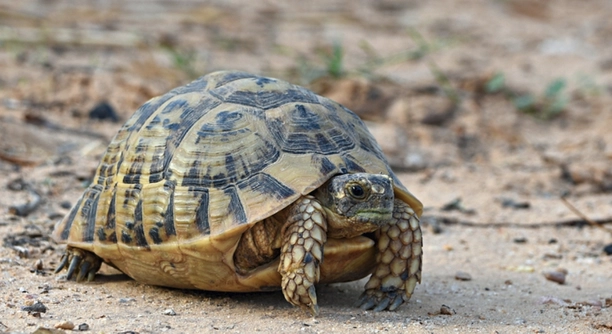
Dehydration in Russian tortoises is a serious issue that requires attention and care. Knowing the causes can help you ensure that your pet stays healthy and hydrated, avoiding unnecessary health risks.
Russian tortoises can become dehydrated for several reasons, including improper habitat conditions, insufficient water access, inadequate diet, and even certain medical conditions. These factors can prevent your tortoise from staying properly hydrated, leading to potential health complications.
By understanding what leads to dehydration, you can take steps to prevent it and improve your tortoise’s well-being. Identifying the causes early ensures a longer, healthier life for your pet.
Improper Habitat Conditions
Your Russian tortoise’s environment plays a huge role in its hydration levels. If the humidity and temperature aren’t set correctly, your tortoise can easily become dehydrated. These reptiles are native to dry regions, so creating a habitat that mimics their natural environment is essential. The humidity should be kept low, but the temperature should not dip too much, especially during the day. If your enclosure is too dry or too cold, your tortoise might not be able to retain enough moisture.
Maintaining a proper temperature gradient within the enclosure is essential. This allows your tortoise to move between warmer and cooler areas, helping it regulate its hydration needs. If your tank is too hot or too cold, it will only make things worse for your tortoise.
Using a humidifier, misting the enclosure regularly, and ensuring your tortoise can access fresh water are all ways to improve the situation. Proper habitat conditions should always be your first step in ensuring your tortoise’s hydration is on track.
Lack of Water Availability
Having fresh water available at all times is a simple but often overlooked factor. Your tortoise may not drink if it doesn’t see water often, or it may avoid drinking from dirty water bowls.
It’s vital to provide water in a shallow dish, where your tortoise can easily drink without risking drowning. Some Russian tortoises prefer soaking in water to hydrate, so offering a shallow water bath on occasion can help. Refill the water daily to keep it clean, ensuring your tortoise always has access to hydration when needed.
Changing the water regularly will encourage your tortoise to drink more frequently and stay hydrated. Always monitor the water level, as a lack of access can quickly lead to dehydration.
Inadequate Diet
A poor diet can lead to dehydration in Russian tortoises. If they don’t get enough leafy greens or high-moisture foods, they may not hydrate properly. These tortoises need a variety of vegetables and herbs, like collard greens and dandelion greens, which help provide water naturally.
Incorporating a mix of leafy greens into your tortoise’s meals is vital for hydration. Avoid feeding them dry foods, such as hay alone, as they lack enough moisture content. Try to provide a balanced diet with fresh vegetables and fruits that have high water content, like cucumber or watermelon. These foods will help your tortoise stay hydrated.
Avoid overfeeding high-protein or high-calcium foods, as they may lead to other health issues, including dehydration. A healthy balance of veggies will ensure your tortoise stays hydrated and receives the proper nutrients. Make sure to offer fresh food daily, giving your tortoise all the hydration it needs.
Health Problems
Certain health issues can also contribute to dehydration in your tortoise. A respiratory infection, for example, can cause excessive nasal discharge, leading to difficulty in drinking or eating. This condition should be addressed by a vet as soon as possible.
Illnesses like kidney disease or metabolic bone disease can also result in dehydration. These conditions cause the body to lose fluids more rapidly than usual. If you notice your tortoise eating or drinking less than usual, it’s important to monitor them closely for any signs of illness. Keep an eye out for lethargy, abnormal behavior, or changes in their shell.
Taking your tortoise to the vet regularly for checkups is key to catching any health problems early. Early detection and proper treatment can prevent dehydration and improve your pet’s quality of life. If your tortoise shows signs of illness, don’t hesitate to seek professional help.
Overheating
If your Russian tortoise is exposed to excessive heat, it can become dehydrated very quickly. The temperature inside the enclosure should be carefully controlled to prevent overheating. Ensure there is a cool spot for your tortoise to retreat to.
Overheating can lead to stress and rapid dehydration, causing your tortoise to become lethargic and refuse food or water. A heat lamp or basking area should be set up properly to avoid temperatures that are too high. Keep the overall temperature balanced, so your tortoise can adjust its body accordingly. This will help prevent dehydration due to overheating.
Stress
Stress can cause dehydration by affecting your tortoise’s eating and drinking habits. When stressed, they might not drink enough water or consume their usual diet.
Common causes of stress include sudden changes in their environment, handling too frequently, or being kept with other tortoises. Make sure their habitat is stable, quiet, and free from disturbances. A calm and predictable environment is key to keeping your tortoise stress-free.
FAQ
How can I tell if my Russian tortoise is dehydrated?
Dehydration in a Russian tortoise can be recognized by a few signs. You might notice that your tortoise is more lethargic than usual, is not eating or drinking as much, or has dry, sunken eyes. The skin may also appear dry or loose. If you gently pinch the skin, it may not snap back quickly, which is another indicator of dehydration. Keep an eye on their overall behavior and monitor how much water they are consuming to catch any issues early.
What should I do if my Russian tortoise is dehydrated?
If your tortoise shows signs of dehydration, the first step is to offer water immediately. You can soak them in lukewarm water for 20 to 30 minutes to help rehydrate. This will allow your tortoise to drink and absorb moisture through the skin. Make sure the water level is shallow enough for your tortoise to walk in comfortably. If dehydration continues or your tortoise is very lethargic, it’s important to visit a vet for professional care. They may need fluids administered through an injection or other treatment.
Can a dehydrated tortoise recover on its own?
A dehydrated tortoise can recover if the issue is caught early. Providing fresh water, offering water baths, and adjusting their diet can help. However, if dehydration is severe or prolonged, it may lead to other health issues that need medical intervention. It’s always safest to consult with a vet if you’re unsure of the severity of dehydration or if the tortoise doesn’t seem to improve.
How often should I soak my Russian tortoise in water?
Soaking your Russian tortoise once or twice a week is usually sufficient, but it depends on their individual needs. Some tortoises may benefit from more frequent soaks, especially if they are not drinking enough water on their own. Keep an eye on their hydration levels and adjust the frequency accordingly. During the soaking process, ensure the water is warm but not too hot, and make sure it’s deep enough for your tortoise to drink if they want to.
What are the best foods to prevent dehydration in Russian tortoises?
The best foods for preventing dehydration are those with high water content. Offer leafy greens such as collard greens, kale, and dandelion greens. You can also feed them high-water fruits like watermelon and cucumber. These foods naturally provide moisture and help keep your tortoise hydrated. A variety of vegetables and herbs should make up most of your tortoise’s diet. Avoid giving them foods that are too dry or high in protein, as this can worsen dehydration.
Can dehydration cause long-term health problems for my tortoise?
Yes, dehydration can lead to long-term health issues if not addressed. Chronic dehydration can affect kidney function, leading to kidney disease, which can be fatal. It can also cause digestive problems and other organ issues. This is why it’s important to catch signs of dehydration early and take steps to correct it before it leads to more serious complications.
How can I maintain the proper humidity in my tortoise’s enclosure?
Maintaining proper humidity in your tortoise’s habitat is crucial for hydration. Russian tortoises prefer a dry environment, but they still need some moisture. To keep the humidity at the right level, you can lightly mist their enclosure a few times a week. Be sure the humidity doesn’t get too high, as this can cause other issues, such as respiratory problems. Use a hygrometer to monitor the humidity levels to ensure they stay within a safe range.
Can I use a water dish to help with hydration?
Yes, a shallow water dish is a great way to help with hydration. Make sure the dish is large enough for your tortoise to drink from comfortably, but not so deep that it poses a drowning risk. It’s important to keep the water clean and fresh at all times to encourage your tortoise to drink. Some tortoises prefer soaking themselves in water, so it can be helpful to offer a shallow, shallow bath every few days in addition to the water dish.
Why won’t my Russian tortoise drink water?
If your tortoise isn’t drinking water, it may be a sign that they are stressed, unwell, or their environment is not conducive to drinking. Check the temperature and humidity levels in the enclosure, as extremes in either can discourage drinking. Sometimes, they might also avoid drinking if the water is dirty or not easily accessible. You can try offering fresh water in a different type of dish, or soaking your tortoise in warm water to encourage hydration. If your tortoise still refuses to drink, it could indicate an underlying health issue that requires a visit to the vet.
Is it normal for a Russian tortoise to drink a lot of water?
While it’s normal for a Russian tortoise to drink water, excessive drinking can indicate a health problem, like kidney disease or a urinary tract infection. If your tortoise is drinking much more than usual and seems lethargic or shows other signs of illness, it’s time to consult a vet. If they are drinking enough water but their behavior is normal, they are likely staying hydrated properly.
How do I prevent my Russian tortoise from overheating?
To prevent overheating, ensure your tortoise’s habitat has a temperature gradient, with one side being warmer for basking and the other cooler for retreat. You can use heat lamps, but they should not overheat the enclosure. Always monitor the temperature and make sure it stays within a comfortable range, not too high or low. Ensure the tortoise has plenty of cool, shaded areas to retreat to if they feel too hot. Avoid direct sunlight exposure for long periods.
Final Thoughts
Dehydration in Russian tortoises is a serious issue that can be prevented with a little attention to their environment, diet, and overall care. Providing fresh water, maintaining proper humidity, and offering high-water content foods are essential in keeping your tortoise hydrated. Regularly checking their living space for temperature and humidity balance is just as important, as improper conditions can lead to dehydration. By monitoring your tortoise’s behavior and health closely, you can catch any signs of dehydration early and take the necessary steps to fix the problem before it becomes more serious.
While preventing dehydration seems straightforward, it’s important to understand that each tortoise may have different needs. Some might drink more frequently, while others prefer to get moisture from their food. Regular soaking can help boost hydration, especially for those who might not drink much from a dish. In addition to providing a healthy diet with plenty of greens and fruits, it’s important to keep their habitat clean and avoid putting them under stress. Reducing stress by maintaining a stable environment will encourage them to eat, drink, and thrive without the risk of dehydration.
Taking care of a Russian tortoise requires a bit of work and attention, but by providing them with a suitable habitat, proper diet, and the right care, you ensure that they stay healthy and hydrated. Dehydration is a preventable condition, and with the right knowledge and practices, you can help your tortoise live a long and healthy life. If you notice any changes in their behavior or suspect dehydration, always take immediate action, whether it’s offering water, adjusting the environment, or consulting a veterinarian. Your tortoise will thank you for it with years of happiness and vitality.

Hello,
If you enjoy the content that we create, please consider saying a "Thank You!" by leaving a tip.
Every little bit helps us continue crafting quality advice that supports the health, happiness, and well-being of pets around the world, for pets of all shapes, sizes, and species.
We really appreciate the kindness and support that you show us!