
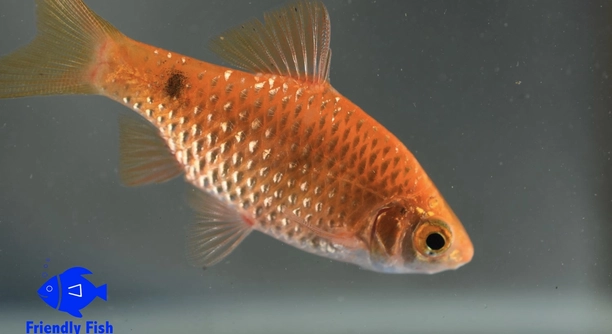
Are your Rosy Barbs showing signs of tail damage that seem to be getting worse with time or after tank changes?
Tail damage in Rosy Barbs is often caused by aggressive tank mates, fin nipping, poor water conditions, sharp decorations, fin rot, overcrowding, or nutritional deficiencies. Identifying the exact cause is key to preventing further harm.
Understanding these causes can help you take the right steps to keep your Rosy Barbs healthy, active, and stress-free.
Aggression from Tank Mates
Rosy Barbs are active and social fish, but they can become targets in a tank with incompatible species. Finned fish with long, flowing tails may trigger nipping behavior in more dominant tank mates. Similarly, if your Rosy Barbs are housed with aggressive or territorial fish, they may suffer from repeated tail damage. This stress can weaken their immune system, leaving them more prone to infections. It’s also possible for Rosy Barbs to nip each other when they feel overcrowded or bored. Keeping a proper group size, choosing peaceful companions, and offering hiding spots can help reduce these risks.
Aggression often begins subtly and gets worse over time, especially if space is limited and the environment is not enriching enough for all fish.
To prevent this, avoid pairing Rosy Barbs with bettas, tiger barbs, or any species known for territorial behavior. Watch for signs like chasing or nipping, and separate aggressive fish when necessary.
Poor Water Quality
Tail damage can be caused by bad water conditions, especially when ammonia, nitrites, or nitrates are too high. Poor filtration, infrequent water changes, and overfeeding all contribute to this issue.
Keeping your tank water clean is one of the most effective ways to prevent tail damage. High levels of waste and debris irritate delicate fins and may lead to fin rot or secondary infections. Always cycle your tank before adding Rosy Barbs, and test your water regularly to make sure it stays within safe parameters. Clean the substrate weekly and perform water changes—typically 25% each week—to maintain stability. Good aeration and a reliable filter are essential. Avoid sudden changes in pH or temperature, which can cause stress and make tail damage worse. If you notice cloudy water, foul smells, or unusual behavior like gasping near the surface, act quickly. Stable, clean water helps your Rosy Barbs stay active, healthy, and vibrant.
Sharp Decorations in the Tank
Sharp or rough tank decorations can tear the delicate edges of Rosy Barb tails. Plastic plants, jagged rocks, and poorly made ornaments are common sources of fin injuries.
Always inspect every item before placing it in the tank. Run your fingers along the edges—if it feels sharp to you, it can damage a fish’s tail. Silk or live plants are safer options. Smooth rocks, driftwood with no splinters, and properly designed aquarium décor help reduce injury risks. Tail injuries from sharp surfaces often appear as clean splits or sudden fraying. Once the fins are damaged, the open tissue is more vulnerable to bacterial or fungal infections. Keep your substrate soft as well—some coarse gravels can also injure tails as fish swim low or rest. A gentle tank layout helps your Rosy Barbs stay active without the risk of getting hurt.
Minor tears can heal over time if the tank remains clean and safe. But repeated injuries slow down healing and increase stress. Watch for signs like hiding, reduced movement, or constant rubbing against objects—these may indicate discomfort. Remove or replace questionable decorations as soon as you spot an issue. A calm, hazard-free environment encourages healthier behavior and better fin regrowth in Rosy Barbs.
Fin Rot or Fungal Infections
Tail damage sometimes starts from bacterial or fungal infections like fin rot. These often appear as frayed, white-edged, or blackened tips and can spread quickly if untreated. Stress and poor water quality often make fish more vulnerable to these infections.
Early treatment with aquarium-safe antibacterial or antifungal medications can stop the spread. Remove infected fish to a quarantine tank if possible and monitor water parameters closely. A clean, stable environment supports healing and helps prevent future outbreaks.
Overcrowding and Stress
Too many fish in one tank can lead to constant stress, increased aggression, and frequent injuries. Rosy Barbs need space to swim and establish their own territory. Without enough room, they may nip at each other or develop weak immune responses. A larger tank with fewer fish reduces pressure, improves oxygen flow, and limits disease spread. Always follow safe stocking guidelines and consider the adult size of all your fish. Stress may not always be visible, but it quietly affects health, behavior, and fin condition over time. Giving each fish space to move freely can make a noticeable difference.
Nutritional Deficiencies
Poor nutrition can weaken fin structure, slow healing, and leave tails vulnerable to tears. Rosy Barbs need a balanced diet with protein, plant matter, and essential vitamins to support healthy growth and fin repair.
FAQ
How do I know if my Rosy Barb’s tail damage is from aggression or disease?
Aggression usually leads to uneven, jagged tears or chunks missing from the tail, often with visible chasing or bullying in the tank. Damage from disease like fin rot tends to appear more frayed, with white or black edges and a gradual breakdown of the tail. Watch how your Rosy Barbs behave around others—if they’re being nipped or chased, it’s likely aggression. If the tail is breaking down with no external interaction, infection is more likely. Either way, quick action helps prevent more serious problems.
Can Rosy Barb tails grow back after damage?
Yes, damaged tails can grow back, but the regrowth depends on the severity of the injury and the tank’s condition. Minor tears often heal within weeks if water is clean, stress is low, and the fish is healthy. Severe damage may take longer and could leave permanent changes in shape or color. Use a high-quality diet and maintain good water quality to support healing. Adding vitamins or supplements made for fish can also help. Avoid further stress or injury during the healing process to encourage proper regrowth.
What size tank is best to prevent tail damage in Rosy Barbs?
A minimum of 20 gallons is recommended for a small group, but 30 gallons or more is better to reduce stress and overcrowding. Rosy Barbs are active swimmers and need horizontal space. The more room they have, the less likely they are to chase each other or get territorial. Overcrowding often leads to tail injuries and stress-related illness. A well-sized tank gives each fish space to move freely, hide when needed, and stay healthy. Always consider the full adult size and activity level when planning your setup.
How many Rosy Barbs should I keep together to reduce fin nipping?
Rosy Barbs are schooling fish and should be kept in groups of at least six. Smaller groups often lead to increased aggression and fin nipping because the fish become stressed or try to establish dominance. A proper school helps spread out any pecking order behavior and makes them feel safer. Larger groups usually result in more peaceful interactions and healthier tails. Make sure your tank is large enough to support the group comfortably, and provide plenty of hiding spaces and visual breaks in the layout.
Can tail damage heal on its own without medicine?
If the damage is from a physical tear and the water quality is excellent, it can often heal on its own without medicine. However, if the injury becomes infected or worsens, medication may be necessary. Signs of infection include cloudy patches, fraying, and red or white streaks. Even if you’re not using medication, good tank hygiene, a varied diet, and stress reduction are essential. Always keep an eye on the tail’s appearance. If it gets worse over a few days, take action quickly to prevent further damage.
Should I isolate a Rosy Barb with a damaged tail?
Isolating a fish can be helpful if it’s being bullied or if the damage is from infection. Use a small, cycled quarantine tank where you can control conditions and apply treatments more easily if needed. Isolation also protects other fish from potential disease and prevents further injury. But if the damage is mild and the main tank is peaceful, isolation might not be necessary. Observe your fish closely—if it’s eating well, swimming normally, and not being harassed, healing can happen in place with proper care.
What foods help fin healing in Rosy Barbs?
Offer a high-quality flake or pellet as a base, then supplement with protein-rich options like bloodworms, brine shrimp, or daphnia. Spirulina and blanched vegetables like zucchini or spinach add essential vitamins. A varied diet supports overall health and tissue repair. Foods with added vitamins (especially A and C) help speed up fin regrowth. Avoid feeding only one type of food or poor-quality fillers. A balanced diet strengthens the immune system and helps Rosy Barbs recover faster from tail injuries.
How often should I change the water when treating tail damage?
Change 25–30% of the tank water every week during treatment. If the injury is severe or there’s an infection, you may need to do partial water changes every 2–3 days. Clean water helps prevent bacteria from spreading and supports faster healing. Make sure the new water matches the tank’s temperature and pH to avoid additional stress. Always use a water conditioner to neutralize chlorine and chloramines. Consistent maintenance is key to keeping your Rosy Barbs healthy while their tails recover.
Can tail damage be permanent?
Yes, in some cases. If the tail is severely torn or infected and tissue is lost, it may not grow back fully. The shape could look different even after healing, and color patterns might change. However, if the fish heals well and stays healthy, the damage usually doesn’t affect swimming or quality of life. Preventing future damage is the most important step. Even if a tail doesn’t return to its original appearance, your Rosy Barb can still live a normal and active life.
Final Thoughts
Tail damage in Rosy Barbs can be upsetting to notice, but most causes are manageable with simple changes. Understanding what leads to the damage—like aggression, poor water conditions, sharp decorations, or lack of space—gives you a better chance of keeping your fish safe. Many of these issues can be prevented by checking your tank setup, choosing peaceful tank mates, and paying close attention to your fish’s behavior. When caught early, tail injuries usually heal well with clean water, a balanced diet, and a calm environment.
Taking action quickly makes a big difference. If your Rosy Barb shows signs of tail damage, look closely at what may be causing it. Watch how your fish interact, test the water, and inspect the decorations. Even a small issue can lead to stress or infection if it’s not addressed in time. Regular care and observation are key. Keeping your tank clean and peaceful doesn’t take much effort, but it has a lasting impact on your fish’s health. Healthy fish are more active, more colorful, and less likely to get sick.
Tail damage can look worse than it is, but it’s always a sign that something needs attention. Whether it’s a small tear or a more serious infection, your Rosy Barb will recover faster when you support its healing with the right care. With proper feeding, gentle tank mates, and safe surroundings, the chances of injury go down. A calm, healthy tank helps all your fish—not just the ones already hurt. Over time, you’ll learn to spot problems earlier and create a stable space where your Rosy Barbs can thrive.

Hello,
If you enjoy the content that we create, please consider saying a "Thank You!" by leaving a tip.
Every little bit helps us continue crafting quality advice that supports the health, happiness, and well-being of pets around the world, for pets of all shapes, sizes, and species.
We really appreciate the kindness and support that you show us!