
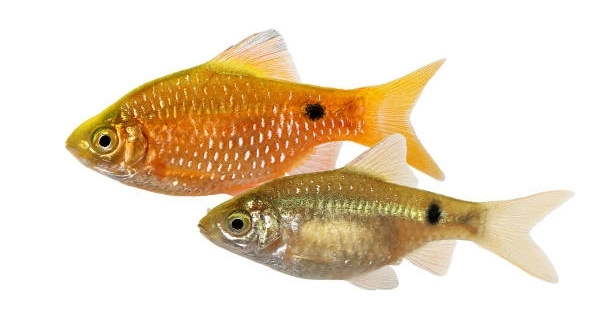
Rosy barbs are popular freshwater fish known for their bright colors and active behavior. Sometimes, these fish may become less energetic or appear sluggish. Understanding the common reasons behind their lethargy is important for their care.
Rosy barb lethargy is commonly caused by poor water quality, improper diet, stress from overcrowding, disease, low oxygen levels, temperature fluctuations, and inadequate tank maintenance. Identifying and addressing these factors can help restore their vitality and well-being.
Recognizing these causes will help you maintain a healthy environment for your rosy barbs. Keeping track of their behavior ensures they stay lively and thriving in your aquarium.
Poor Water Quality and Its Effects
Poor water quality is one of the most common reasons rosy barbs become lethargic. When their environment is filled with high levels of ammonia, nitrites, or nitrates, it can cause stress and weaken their immune system. Dirty water also encourages the growth of harmful bacteria and parasites that affect fish health. Regular water testing and partial water changes are essential to keep the water safe and clean. Barbs exposed to polluted water may show signs like gasping at the surface or hiding more than usual. Maintaining proper filtration and avoiding overfeeding will reduce waste buildup and help maintain balance. Clean water keeps the fish comfortable, encourages activity, and promotes overall well-being.
Consistent water quality management is vital for lively and healthy rosy barbs. Keeping their habitat clean ensures they remain energetic and disease-free.
A stable environment with proper water parameters is the foundation of rosy barb health. Regularly testing pH, ammonia, and nitrate levels, along with routine water changes, can prevent lethargy caused by poor water conditions. Avoid overcrowding, which can quickly degrade water quality and cause stress. Using a good filtration system and monitoring temperature supports a healthy tank. When water quality is good, rosy barbs show brighter colors and more natural behavior. Taking these simple steps creates a thriving home for your fish and minimizes the risk of sickness or slow activity.
Stress from Overcrowding and Tank Conditions
Overcrowding in the tank is stressful for rosy barbs and can lead to lethargy.
Too many fish in a small space limit swimming room and increase competition for resources. Stress weakens their immune system, making them vulnerable to illness. Overcrowding raises waste levels, causing water quality to drop quickly. Barbs need adequate space to swim freely and establish territories. Providing hiding spots and plants can reduce aggression and tension. Monitoring the number of fish per gallon helps maintain balance and comfort.
Stress caused by cramped conditions often leads to reduced activity and loss of appetite. Proper tank size and population control are key to keeping rosy barbs healthy and lively.
Ensuring the tank is large enough for your rosy barbs is essential for their well-being. Each fish needs enough space to swim comfortably, especially since barbs are active swimmers. A crowded tank results in stress-related behaviors such as hiding, erratic swimming, or lethargy. Stress also increases the chance of diseases spreading quickly among fish. Adding decorations like plants and rocks creates natural hiding spots, giving shy or stressed fish a place to retreat. Regularly checking the tank population and upgrading to a bigger tank if needed helps keep the environment stable. By maintaining proper stocking levels and providing a well-structured habitat, your rosy barbs will stay more energetic and show their true colors.
Improper Diet and Nutrition
A poor diet can quickly cause rosy barbs to lose energy and become lethargic.
Feeding your fish an unbalanced diet lacking essential nutrients weakens their immune system and slows their activity. Rosy barbs need a varied diet, including high-quality flakes, pellets, and occasional live or frozen foods. Overfeeding can also lead to health problems and poor water quality. It’s important to feed small amounts twice a day and remove leftover food to prevent waste buildup. Proper nutrition supports their vibrant colors and lively behavior.
Ignoring diet needs can cause long-term health issues in rosy barbs. A well-rounded feeding routine keeps them energetic and healthy. Fresh, balanced food and controlled feeding habits make a big difference in their vitality and happiness.
Disease and Parasites
Diseases and parasites often cause noticeable lethargy in rosy barbs.
Infections like bacterial, fungal, or parasitic illnesses stress the fish and reduce their activity. Common signs include clamped fins, loss of appetite, discoloration, or unusual swimming patterns. Early detection and treatment are important to prevent serious harm. Quarantining new fish before adding them to the main tank reduces the risk of spreading illness. Keeping the tank clean and monitoring water quality also helps prevent disease outbreaks.
If you notice any unusual behavior or physical changes, acting quickly can save your fish. Using appropriate medications and maintaining good tank hygiene are key to recovery. Regular observation allows early intervention, which is crucial for keeping your rosy barbs healthy and active.
Low Oxygen Levels
Low oxygen levels in the tank can cause rosy barbs to become weak and inactive.
Poor water circulation or overcrowding reduces oxygen availability. Adding an air pump or improving filtration helps keep oxygen levels sufficient.
Temperature Fluctuations
Sudden changes in water temperature stress rosy barbs and cause lethargy. Stable temperatures between 72°F and 78°F are best for their comfort. Avoid placing the tank near heat sources or drafts that cause rapid shifts. Using a reliable heater with a thermostat helps maintain consistent warmth.
Inadequate Tank Maintenance
Neglecting regular tank cleaning leads to waste buildup and harmful bacteria growth. This creates an unhealthy environment that weakens rosy barbs and lowers their energy. Routine water changes, gravel vacuuming, and filter cleaning are necessary to keep the tank safe and balanced.
Stress from Poor Tank Setup
A tank lacking hiding spots or plants increases stress levels. Rosy barbs need places to retreat to feel secure. Adding decorations and live plants improves their comfort and reduces lethargy.
FAQ
What causes rosy barbs to become lethargic?
Rosy barbs can become lethargic due to several factors, including poor water quality, stress from overcrowding, improper diet, disease, low oxygen levels, temperature changes, and inadequate tank maintenance. Each of these affects their health and energy in different ways. Keeping their environment stable and clean helps prevent lethargy.
How often should I change the water in my rosy barb tank?
Performing partial water changes of about 20-30% every week or two is ideal. This helps remove waste and toxins while maintaining water quality. Overdoing water changes can cause stress, so it’s important to find a balance that keeps the tank clean without disturbing the fish too much.
Can improper diet make rosy barbs sick?
Yes, an unbalanced diet lacking essential nutrients weakens their immune system and causes health problems. Feeding a mix of high-quality flakes, pellets, and occasional live or frozen foods ensures they get proper nutrition and stay active.
How many rosy barbs should be kept in one tank?
A good rule is one rosy barb per gallon of water at minimum, but more space is always better. Overcrowding causes stress, increases waste, and reduces oxygen levels, all leading to lethargy and illness.
What are signs of disease in rosy barbs?
Look for clamped fins, discoloration, loss of appetite, unusual swimming, or visible spots and lesions. Early detection helps treat diseases effectively and prevents spread to other fish.
How do I improve oxygen levels in my aquarium?
Adding an air pump or increasing water movement with filters helps oxygenate the water. Avoid overcrowding, as it reduces available oxygen for each fish.
Why is tank temperature important for rosy barbs?
They thrive in stable temperatures between 72°F and 78°F. Sudden changes stress the fish and lower their activity. Using a heater with a thermostat keeps the temperature consistent.
Can stress from poor tank setup cause lethargy?
Yes, lacking hiding spots or plants can increase stress. Rosy barbs need places to retreat for security. Adding decorations and live plants helps reduce stress and encourages natural behavior.
What is the best way to prevent diseases in rosy barbs?
Maintain clean water, avoid overcrowding, quarantine new fish, and monitor behavior regularly. Promptly treat any signs of illness to prevent outbreaks.
How can I tell if water quality is poor?
Cloudy water, strong odors, fish gasping at the surface, or unusual lethargy are signs. Regular water testing for ammonia, nitrites, and nitrates keeps water quality in check.
Is overfeeding harmful to rosy barbs?
Yes, overfeeding causes excess waste and poor water quality. Feed small amounts twice daily and remove uneaten food to keep the tank clean and fish healthy.
Can temperature fluctuations be prevented without a heater?
In rooms with stable temperatures, a heater may not be needed. However, sudden drafts or heat sources nearby cause fluctuations. It’s best to use a heater to maintain steady warmth.
How important is tank size for rosy barb health?
Tank size greatly affects their well-being. Larger tanks provide more swimming space, reduce stress, and help maintain stable water conditions, keeping rosy barbs active and healthy.
What role does filtration play in preventing lethargy?
A good filter removes waste and toxins, circulates water, and maintains oxygen levels. Without proper filtration, water quality declines quickly, causing lethargy and disease.
Should I quarantine new rosy barbs before adding them to the tank?
Yes, quarantining new fish for at least two weeks helps detect diseases before they reach your main tank. This protects your existing fish from infections and stress.
Taking care of rosy barbs means paying close attention to their environment and daily needs. Their health depends a lot on keeping the tank clean and stable. Water quality is one of the most important factors to watch. Regular water tests and partial water changes help keep ammonia, nitrites, and nitrates at safe levels. Poor water quality stresses the fish and can quickly lead to lethargy or illness. A good filtration system also supports a healthy tank by removing waste and improving oxygen flow. When water conditions are right, rosy barbs tend to be more active and show their bright colors.
Another key part of caring for rosy barbs is providing a proper diet. Feeding them a balanced mix of foods keeps their immune systems strong and energy levels up. Overfeeding should be avoided because leftover food can dirty the water and harm fish health. Feeding small portions two times a day and removing uneaten food helps maintain cleanliness and prevents digestive problems. Along with good nutrition, a suitable tank setup is important. Rosy barbs need enough space to swim and places to hide. Overcrowding can cause stress, which leads to sickness and lethargy. Adding plants or decorations gives the fish a chance to feel safe and behave naturally.
Lastly, keeping an eye on their behavior can help spot problems early. Changes like reduced activity, loss of appetite, or unusual swimming often show that something is wrong. Stress from temperature changes, poor tank conditions, or disease can affect them quickly. Acting on these signs with proper tank maintenance, water adjustments, or treatment helps prevent serious health issues. Taking simple steps like keeping water clean, feeding well, and providing enough space creates a comfortable home where rosy barbs can thrive. With consistent care, these lively fish can stay healthy and bright for a long time.

Hello,
If you enjoy the content that we create, please consider saying a "Thank You!" by leaving a tip.
Every little bit helps us continue crafting quality advice that supports the health, happiness, and well-being of pets around the world, for pets of all shapes, sizes, and species.
We really appreciate the kindness and support that you show us!