
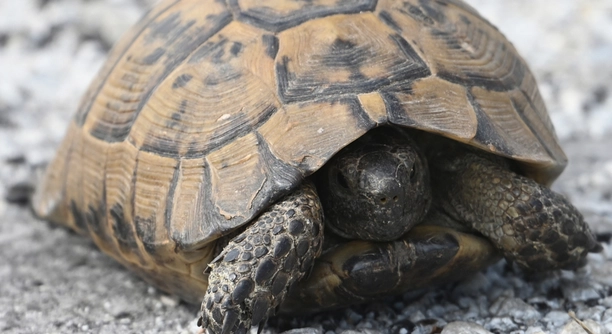
Greek tortoises are beloved pets, known for their gentle nature and long lifespans. However, like all reptiles, they can be susceptible to respiratory infections. Understanding what causes these infections can help keep your tortoise healthy.
Respiratory infections in Greek tortoises are most commonly caused by improper temperature, humidity, poor diet, stress, or exposure to pathogens. These factors weaken their immune system, making them more susceptible to infections in their respiratory system.
Recognizing these causes is key to preventing and managing respiratory issues in Greek tortoises. Keep reading to learn more about how you can provide a healthier environment for your tortoise.
Temperature and Humidity Issues
Greek tortoises are sensitive to changes in their environment. If the temperature or humidity isn’t right, their immune systems can become weakened. This can make them more vulnerable to infections, particularly in their respiratory system. These tortoises need a basking spot with temperatures around 90°F and a cooler area at about 75°F to feel comfortable and healthy. Humidity levels should also be monitored and kept around 50-70%. Without the right conditions, their bodies are unable to fight off bacteria and other pathogens effectively. A consistent, warm, and slightly humid environment helps ensure their respiratory system functions well.
Maintaining an appropriate environment for your tortoise is essential to keeping them healthy. The right temperature and humidity can prevent many health issues.
If your tortoise’s habitat is too cold or dry, it can result in respiratory distress. Consider using a thermometer and hygrometer to monitor these conditions. This allows you to quickly adjust and avoid problems. Regularly checking the temperature and humidity will help you catch any issues early and maintain a stable environment. You may need to make adjustments based on the season or specific needs of your tortoise.
Poor Diet
Greek tortoises rely on a balanced diet to stay healthy.
Feeding them a diet too high in protein or low in fiber can cause digestive problems and weaken their immune system. This makes them more susceptible to respiratory infections.
A proper diet consists of leafy greens, vegetables, and occasional fruits. Avoid feeding them processed foods or those high in sugars or fats. Providing them with a variety of foods will help boost their immunity and prevent health issues. You can also provide calcium supplements to ensure proper bone health. Regularly changing their food choices can prevent deficiencies and keep them strong. Tortoises that aren’t getting enough of the right nutrients can experience a variety of health problems, including respiratory infections. Monitoring what they eat closely will help avoid many potential health complications.
Stress and Its Impact
Stress can lead to a weakened immune system in Greek tortoises, increasing their susceptibility to infections.
Changes in their environment, handling, or even a lack of proper space can cause stress. This leads to a higher risk of respiratory problems. Tortoises that feel threatened or uncomfortable may stop eating, become lethargic, or display abnormal behaviors. Stress can also stem from poor interactions with other animals or too much noise. All of these factors contribute to an overall decline in health, making it easier for respiratory infections to take hold.
Providing a stable and quiet environment will help reduce stress. Keep your tortoise in a calm, secure space with minimal disturbances. A peaceful habitat contributes significantly to its health, enabling it to fight off potential infections more effectively. When a tortoise feels safe and relaxed, its immune system can perform at its best.
Exposure to Pathogens
Greek tortoises can easily become infected by pathogens from their surroundings or other animals.
Bacteria, viruses, and fungi are common causes of respiratory infections. If your tortoise is in contact with another sick animal or in an unsanitary environment, it can quickly pick up harmful pathogens. Regular cleaning of their habitat and ensuring it remains free from contaminants helps minimize this risk. Be cautious when introducing new animals into the space. Even seemingly healthy tortoises can carry hidden bacteria or viruses.
When cleaning, use safe, non-toxic disinfectants and ensure that their enclosure dries thoroughly. Regularly clean food and water bowls to prevent the growth of harmful microorganisms. By maintaining cleanliness and limiting exposure to potentially sick animals, you can reduce the risk of respiratory infections.
Poor Ventilation
A lack of proper ventilation in your tortoise’s enclosure can contribute to respiratory infections.
Without enough airflow, humidity levels can become too high, which promotes the growth of bacteria and mold. Ensure your tortoise’s habitat has adequate ventilation to prevent these issues.
Proper airflow helps regulate temperature and moisture levels, reducing the risk of mold and bacterial buildup. It also ensures your tortoise has access to fresh air, supporting its overall health. Regularly check ventilation holes or consider installing fans to improve airflow. A well-ventilated enclosure is essential for preventing respiratory issues.
Injuries or Illness
Any injury or existing illness can make your tortoise more susceptible to respiratory infections.
Tortoises with compromised health may have a weakened immune system, making it harder for them to fight off infections.
If your tortoise is recovering from an injury or battling another illness, extra care is needed. Monitor them closely and keep their environment stress-free. Provide plenty of food, clean water, and a warm, stable environment to help boost their immune response. Avoid unnecessary handling that could cause additional stress.
Overcrowding
Overcrowding in a tortoise’s habitat can increase the risk of respiratory infections.
Too many animals in one space creates stress and limits airflow.
FAQ
What are the early signs of a respiratory infection in a Greek tortoise?
The early signs of a respiratory infection include wheezing, nasal discharge, and labored breathing. Tortoises may also become lethargic, lose their appetite, or have difficulty moving around. If you notice any of these symptoms, it’s important to address the issue immediately by adjusting their environment and seeking veterinary care. Early intervention can prevent the infection from worsening and potentially leading to more severe respiratory issues.
Can stress cause respiratory infections in Greek tortoises?
Yes, stress can contribute to respiratory infections in Greek tortoises. Stress weakens their immune system, making it harder for them to fight off bacteria and viruses. Stress can come from many factors, such as improper habitat conditions, frequent handling, or interactions with other animals. A calm, stable environment is essential for keeping your tortoise healthy and minimizing stress-related health issues.
How can I improve my tortoise’s habitat to prevent respiratory infections?
To improve your tortoise’s habitat, ensure proper temperature, humidity, and ventilation. Maintain a basking spot with a temperature around 90°F and a cooler area at 75°F. Humidity should be kept between 50-70%. Also, make sure the enclosure has adequate airflow to prevent the buildup of harmful bacteria or mold. Regular cleaning and providing fresh food and water daily will further promote good health.
Can I treat a respiratory infection at home?
While you can make environmental adjustments, such as improving temperature and humidity, respiratory infections typically require professional treatment. A veterinarian can prescribe antibiotics or other medications to treat the infection. Home care can be helpful in managing symptoms, but it is crucial to get a proper diagnosis and treatment plan from a vet.
What kind of food should I feed my Greek tortoise to avoid respiratory infections?
A balanced diet for a Greek tortoise includes leafy greens, vegetables, and some fruits. Avoid feeding them foods that are too high in protein, as this can lead to other health issues. A proper diet supports a healthy immune system, which helps prevent respiratory infections. Including calcium supplements will ensure their bones stay strong, further boosting overall health.
How often should I clean my tortoise’s enclosure to prevent respiratory infections?
You should clean your tortoise’s enclosure at least once a week, or more frequently if it gets dirty quickly. This includes cleaning the substrate, food and water bowls, and any surfaces your tortoise comes into contact with. Regular cleaning will prevent the buildup of harmful bacteria, mold, and waste, which can contribute to respiratory problems.
What temperature and humidity levels are best for preventing respiratory infections?
For optimal health, Greek tortoises need a basking spot with temperatures around 90°F and a cooler area around 75°F. Humidity should be kept between 50-70%. These conditions allow your tortoise to regulate its body temperature properly and maintain a healthy immune system, which helps prevent respiratory infections.
Can a Greek tortoise live with other reptiles, or should they be kept alone?
Greek tortoises can be kept with other reptiles, but it is essential to ensure the environment is large enough to accommodate all the animals and that each one has its own space. Overcrowding can lead to stress and increase the risk of respiratory infections. Make sure their habitat is well-ventilated and free from overcrowding to ensure their health and well-being.
How can I tell if my tortoise’s respiratory infection is serious?
If your tortoise is having trouble breathing, showing severe nasal discharge, or becoming lethargic, the infection may be serious. In these cases, seek veterinary care immediately. Respiratory infections can worsen quickly, so prompt medical attention is important. Early intervention can prevent the infection from causing permanent damage to the respiratory system.
How long does it take for a Greek tortoise to recover from a respiratory infection?
The recovery time for a Greek tortoise depends on the severity of the infection and the treatment provided. Minor infections may improve within a few weeks with proper care, while more severe cases could take longer. Regular veterinary check-ups during the recovery process will ensure that the infection is properly treated and monitored.
Can I use any home remedies for respiratory infections in Greek tortoises?
It’s not recommended to use home remedies for respiratory infections without consulting a veterinarian first. Respiratory infections in tortoises are often caused by bacteria, and improper treatment can make the condition worse. A vet will prescribe the proper antibiotics or treatments necessary for recovery. Home care should include maintaining proper habitat conditions to support the healing process.
Can poor ventilation cause respiratory infections in Greek tortoises?
Yes, poor ventilation can contribute to respiratory infections. Without proper airflow, humidity levels can rise, and bacteria or mold can build up, creating an environment that promotes respiratory issues. Make sure your tortoise’s enclosure has sufficient ventilation to prevent these risks and maintain a healthy environment.
Final Thoughts
Taking care of a Greek tortoise involves more than just providing food and water. A proper environment, including temperature, humidity, and ventilation, plays a crucial role in preventing respiratory infections. By maintaining these conditions, you can help keep your tortoise healthy and reduce the risk of respiratory issues. Regular cleaning of their enclosure and monitoring their behavior are also important aspects of care. These simple yet effective steps can go a long way in preventing health problems and ensuring your tortoise remains happy and active.
In addition to the environment, a well-balanced diet is essential for your tortoise’s overall health. Leafy greens, vegetables, and occasional fruits should form the core of their diet, providing the necessary vitamins and minerals for a strong immune system. Offering calcium supplements when needed helps maintain bone health. If your tortoise shows signs of a respiratory infection, such as labored breathing or nasal discharge, seeking prompt veterinary care is important. Early treatment can prevent the infection from becoming more severe, and your vet can offer the appropriate medication.
Lastly, while respiratory infections can be common, they are manageable with the right care. Staying aware of your tortoise’s behavior and being proactive in creating a healthy living environment will help reduce the chances of an infection. Regular veterinary check-ups are also vital to ensure that any health concerns are addressed early. By following these guidelines and offering consistent care, you can ensure that your Greek tortoise lives a long, healthy life.

Hello,
If you enjoy the content that we create, please consider saying a "Thank You!" by leaving a tip.
Every little bit helps us continue crafting quality advice that supports the health, happiness, and well-being of pets around the world, for pets of all shapes, sizes, and species.
We really appreciate the kindness and support that you show us!