
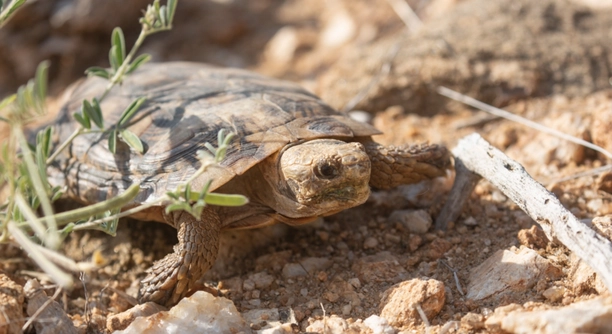
Pancake tortoises are fascinating reptiles, but sometimes their eyes may turn red. This can be concerning for pet owners, as it could be a sign of something more serious. Understanding the causes is key.
Red eyes in pancake tortoises can be caused by various factors, including environmental stress, infections, allergies, dehydration, or trauma. Identifying the specific cause can help you address the problem and provide proper care for your tortoise.
Recognizing these common causes is important for keeping your pancake tortoise healthy. Taking quick action can help prevent further issues and ensure your tortoise stays happy. Understanding the root of the problem can make a big difference in their care.
Environmental Stress
Environmental stress is one of the most common reasons for red eyes in pancake tortoises. If they are kept in an environment that’s too hot, too cold, or too dry, it can cause discomfort. These conditions can lead to irritation in their eyes, making them look inflamed or red. Tortoises need specific temperatures and humidity levels to stay healthy. Any fluctuation in these factors could trigger stress.
The stress itself doesn’t directly harm their eyes, but it can weaken their immune system, making them more susceptible to infections. Keeping their habitat stable and comfortable will go a long way in preventing stress-related issues. Regularly check their basking and cool areas to ensure proper temperature gradients.
In addition to stress from temperature, noise, or sudden changes in their surroundings can also contribute to eye problems. Avoid loud sounds and frequent movements around their tank. Stress can also be minimized by maintaining a consistent feeding schedule and providing a hiding space for them to feel safe. Making these changes will improve their overall well-being and reduce the risk of eye problems.
Infections
Infections, like conjunctivitis or respiratory infections, can lead to red eyes in pancake tortoises. When their immune system is weakened, bacteria or viruses can cause their eyes to become inflamed.
Infections can result from poor sanitation, contaminated water, or even direct contact with other sick animals. If your tortoise shows symptoms like excessive mucus, swelling around the eyes, or lethargy, it’s time to consult a vet. Keeping their environment clean and avoiding overcrowding will help prevent these infections. Regularly disinfect their enclosure and change their water to reduce the risk of bacterial growth.
Allergies
Allergies can be another reason for red eyes in pancake tortoises. Just like people, tortoises can have allergic reactions to certain substances in their environment, like dust, mold, or even certain plants. When this happens, their eyes can become irritated and inflamed.
It’s important to look at what’s in their habitat. If you’ve recently added new plants or substrates, they might be triggering the reaction. Also, consider any cleaning products you’ve used around their enclosure. Choosing safe, non-toxic options for their home can help prevent allergic reactions. Make sure your tortoise has access to clean, fresh water and keep their environment well-ventilated.
If you notice other symptoms, like excessive rubbing of the eyes or sneezing, it could confirm an allergy. If you suspect this, try to remove the allergens or switch to a hypoallergenic environment. If the red eyes persist, consider reaching out to a vet for advice on treatment options.
Dehydration
Dehydration is a common cause of red eyes in pancake tortoises. If they aren’t drinking enough water or if their environment is too dry, their eyes can become red and irritated. Pancake tortoises need a humid environment to stay hydrated and comfortable.
Dehydration can affect their eyes as well as their overall health. You can tell if your tortoise is dehydrated by observing its behavior. If they seem sluggish, aren’t eating well, or have sunken eyes, it’s time to act. Offering a shallow dish of water or soaking your tortoise in lukewarm water can help hydrate them. Increasing the humidity levels in their enclosure is also crucial.
Keeping your tortoise hydrated is key to preventing eye problems and other health issues. Make sure they have access to clean water at all times and keep their environment moist enough to prevent dehydration. Adjusting their setup will ensure that they stay healthy and happy.
Trauma
Trauma can lead to red eyes in pancake tortoises, especially if they’ve been accidentally injured. Scratches, bumps, or even a rough handling can cause swelling or redness in their eyes. Tortoises are quite sensitive, and even a small injury can be enough to trigger an issue.
If you notice that your tortoise has recently had a fall or has been handled roughly, check for any signs of injury around their eyes. A red or swollen eye could be an indication of trauma. If they appear to be in pain or their condition worsens, it’s best to consult a vet. In some cases, trauma can lead to more serious infections if not treated promptly.
Improper Lighting
Improper lighting can also contribute to red eyes in pancake tortoises. They need a proper balance of UVB light for their overall health, but too much exposure to intense light can cause eye irritation. This can make their eyes appear red and uncomfortable.
Make sure the UVB light in their enclosure is positioned correctly, not too close or too far away. The light should also be replaced regularly, as UVB bulbs lose their effectiveness over time. Avoid bright artificial lights that could irritate their eyes. Maintaining the right lighting conditions ensures they stay healthy without any unnecessary eye problems.
Poor Diet
A poor diet can weaken your tortoise’s immune system, making them more vulnerable to infections that cause red eyes. Pancake tortoises need a balanced diet rich in vegetables, fruits, and some protein. Without proper nutrition, they might develop various health issues, including eye irritation.
If their diet lacks key vitamins or minerals, it could lead to inflammation in their eyes. Offering a variety of leafy greens like dandelion greens, kale, and some fruits can help improve their immune system. A proper diet not only prevents eye problems but also ensures their overall health and longevity.
FAQ
What are the signs of eye infection in pancake tortoises?
The most noticeable sign of an eye infection in pancake tortoises is red, swollen, or cloudy eyes. You may also see mucus discharge or excessive watering. If your tortoise is blinking more than usual or rubbing their eyes against objects, this is another sign of irritation or infection. In severe cases, the eyes might appear sunken or look abnormal in shape. If any of these symptoms occur, it’s important to consult a vet for proper treatment to avoid complications.
Can I treat my tortoise’s red eyes at home?
While minor cases of irritation might resolve with a change in environment, it’s best to avoid self-treating your tortoise without professional advice. If your tortoise’s eyes remain red or show signs of infection, seeking a vet’s help is recommended. A veterinarian can provide the right treatment plan, such as topical antibiotics or eye drops, to address the root cause. Attempting to treat infections or other eye issues without proper knowledge could worsen the condition.
How often should I clean my pancake tortoise’s enclosure to prevent eye problems?
Cleaning the enclosure regularly is crucial for your tortoise’s health. To minimize the risk of eye infections, you should aim to clean their habitat at least once a week. This includes removing uneaten food, spot cleaning waste, and replacing the substrate if necessary. Water bowls should be cleaned daily to avoid bacterial growth. A clean and well-maintained environment reduces the chances of your tortoise coming into contact with harmful bacteria or allergens that could cause eye issues.
How can I prevent my pancake tortoise from getting dehydrated?
To prevent dehydration, ensure that your pancake tortoise always has access to fresh water. You can also soak them in shallow, lukewarm water for about 15 minutes a few times a week to help hydrate them. Additionally, maintaining a humid environment in their enclosure will aid in moisture retention. If your tortoise is showing signs of dehydration, like sunken eyes or lethargy, increase their water intake immediately. For more consistent hydration, use a water dish that they can easily access at all times.
Is it normal for pancake tortoises to have red eyes sometimes?
Red eyes are not normal for pancake tortoises and typically signal an underlying issue, such as stress, dehydration, or infection. It’s important to observe any other changes in behavior or physical condition, such as a lack of appetite, lethargy, or excessive blinking, which can help identify the cause. If the red eyes persist for more than a day or two, or if other symptoms appear, consulting a vet is essential for proper diagnosis and treatment.
How can I tell if my pancake tortoise is stressed?
Signs of stress in a pancake tortoise can include unusual behavior, like excessive hiding, a lack of appetite, or decreased activity. They may also show physical signs such as red or swollen eyes, darkening of their shell, or an increase in rapid breathing. Stress can result from environmental factors such as temperature fluctuations, too much noise, or being housed with other aggressive animals. If you suspect stress, try to adjust their habitat by ensuring the temperature and humidity are optimal and providing a quiet, safe environment.
Can poor lighting cause red eyes in pancake tortoises?
Yes, improper lighting can contribute to red eyes in pancake tortoises. They require UVB light to stay healthy, but too much exposure or incorrect placement of their lighting can irritate their eyes. If your tortoise is exposed to excessively bright or harsh light for long periods, it may lead to eye redness or discomfort. Ensure that the UVB light is placed at an appropriate distance and is replaced regularly. Keeping lighting in a comfortable range prevents strain and reduces the risk of eye problems.
Are there any specific foods that can help improve my tortoise’s eye health?
A balanced diet rich in vitamins A and C is important for your pancake tortoise’s overall health, including eye health. Leafy greens like kale, collard greens, and dandelion greens are excellent sources of these vitamins. Carrots and squash also provide essential nutrients. Avoid feeding your tortoise too much fruit, as it can upset their digestive system. A well-rounded diet will boost their immune system and reduce the likelihood of eye infections or other health issues. Always ensure they have access to clean, fresh water alongside their food.
How long does it take for red eyes to heal in pancake tortoises?
The healing time for red eyes in pancake tortoises depends on the underlying cause. If the red eyes are due to mild irritation or environmental factors, they may clear up within a few days to a week with proper adjustments to their habitat. However, if the red eyes are caused by an infection or injury, it may take longer and require medical treatment. It’s important to monitor their condition closely and seek veterinary care if the symptoms don’t improve within a week or worsen over time.
Can pancake tortoises get eye infections from other pets?
Yes, pancake tortoises can contract eye infections from other pets, especially if they are housed in the same environment. Bacteria or viruses from other reptiles or animals can spread through contaminated water or surfaces. To reduce the risk, avoid introducing new animals to their enclosure without proper quarantine. If you have other pets that are sick or have been exposed to pathogens, ensure your tortoise’s environment remains clean and free from cross-contamination. Regularly disinfect their enclosure and keep the tortoise separate from other potentially infected animals.
Should I worry if my pancake tortoise has one red eye instead of both?
It’s possible for only one eye to be affected by an issue like an injury, infection, or irritation. If only one eye is red and the tortoise doesn’t show any other symptoms, it might be a minor issue. However, it’s still worth investigating, as localized symptoms can sometimes indicate an underlying problem that needs attention. If the redness persists or worsens, or if the tortoise starts showing discomfort, it’s important to consult a vet for a proper diagnosis.
Final Thoughts
Red eyes in pancake tortoises can be concerning, but they are often a sign of an underlying issue that can be addressed with the right care. Whether it’s due to environmental stress, infection, dehydration, or even a poor diet, understanding the cause is the first step in providing the proper treatment. It’s important to monitor your tortoise closely for any other symptoms that could point to the root of the problem. With prompt attention and care, most causes of red eyes can be resolved.
Preventing red eyes in pancake tortoises starts with maintaining a healthy and stable environment. Regularly check the temperature, humidity, and cleanliness of their enclosure. Provide a proper diet, plenty of fresh water, and UVB lighting to keep them healthy. Avoid sudden changes in their surroundings and ensure they have a quiet space to reduce stress. These small steps can help prevent many of the issues that lead to red eyes and other health problems. Always be proactive and keep an eye out for early signs of discomfort, as it’s much easier to treat the problem before it becomes serious.
If your tortoise’s red eyes persist despite your best efforts, it’s important to seek veterinary care. A vet can help diagnose the issue and recommend the appropriate treatment, whether that’s antibiotics for an infection or changes to their diet or environment. In some cases, the issue might be more serious, and getting professional help ensures your tortoise receives the care it needs. By staying attentive to your tortoise’s health and taking the right steps early on, you can help them stay comfortable and happy for years to come.

Hello,
If you enjoy the content that we create, please consider saying a "Thank You!" by leaving a tip.
Every little bit helps us continue crafting quality advice that supports the health, happiness, and well-being of pets around the world, for pets of all shapes, sizes, and species.
We really appreciate the kindness and support that you show us!