
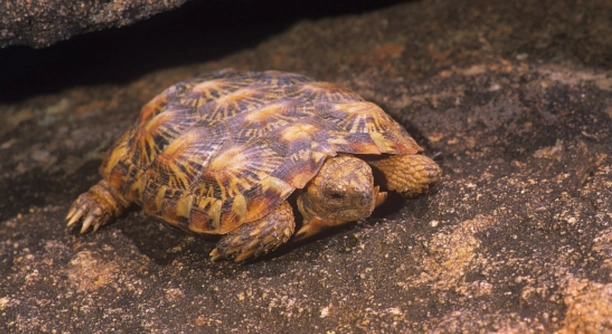
Is your pancake tortoise showing signs of mouth rot, such as swelling, redness, or difficulty eating? This common condition can be painful and, if left untreated, may lead to serious health issues for your tortoise.
Mouth rot in pancake tortoises is often caused by poor husbandry, bacterial infections, or stress. Inadequate humidity, an unclean environment, or an improper diet can weaken their immune system, making them more susceptible to infections that lead to mouth rot.
Recognizing the causes and symptoms early can help prevent complications. Proper care and timely treatment will ensure your pancake tortoise stays healthy and free from painful infections.
Poor Hygiene and Dirty Enclosure
Keeping your pancake tortoise’s enclosure clean is essential for preventing mouth rot. A dirty habitat allows bacteria to grow, which can lead to infections. Food debris, droppings, and excess moisture create the perfect environment for harmful bacteria. Without regular cleaning, your tortoise may come into contact with these bacteria, increasing the risk of mouth rot. Deep cleaning should be done weekly, while spot cleaning must be done daily. Replace soiled substrate, remove uneaten food, and disinfect surfaces with reptile-safe cleaners. Providing a clean and dry enclosure will help keep your tortoise healthy.
A dirty water dish can also introduce bacteria. Change the water daily and scrub the dish with hot water. Stagnant water encourages bacterial growth, which can infect your tortoise’s mouth.
Regular enclosure maintenance not only prevents infections but also keeps your tortoise comfortable. A clean environment supports a strong immune system, reducing the chances of developing mouth rot.
Improper Diet
A poor diet weakens your tortoise’s immune system, making infections more likely. A balanced diet with proper nutrients is essential for good health. Avoid feeding too many soft or sugary foods, as they can contribute to bacterial growth in the mouth.
Pancake tortoises need a high-fiber, calcium-rich diet. Their meals should mainly consist of leafy greens such as dandelion, collard, and mustard greens. Occasional treats like squash or hibiscus flowers can be added, but avoid fruits, as their sugar content promotes bacteria. Always provide a cuttlebone or calcium supplement to support strong bones and a healthy immune system. Dehydration can also make the mouth more vulnerable to infections, so fresh water should always be available.
By maintaining a proper diet, you can help your tortoise fight off infections naturally. Healthy food choices will not only prevent mouth rot but also improve overall well-being.
Stress and Weakened Immune System
Stress lowers your pancake tortoise’s ability to fight infections. Frequent handling, loud noises, or sudden changes in temperature can cause unnecessary stress. A stressed tortoise may eat less, move less, and become more vulnerable to bacteria that lead to mouth rot. Keeping their environment stable helps reduce stress.
A proper hiding spot is essential for reducing anxiety. Without a safe place to retreat, your tortoise may feel constantly exposed, leading to prolonged stress. Ensure the enclosure has at least one secure hiding area made from natural materials like cork bark or rock caves. Avoid excessive handling, especially if your tortoise is new to your home. Giving them time to adjust will help them feel more secure. Maintaining a consistent temperature and humidity level is also crucial. Fluctuations can cause discomfort and weaken the immune system, making your tortoise more susceptible to infections.
A nutritious diet further supports a strong immune system. Poor nutrition combined with stress can quickly lead to health issues, including mouth rot. Offering a variety of leafy greens, providing adequate hydration, and ensuring a well-maintained habitat will help your tortoise stay strong. Stress reduction, combined with proper care, is key to preventing illnesses and promoting long-term health.
Injuries in the Mouth
Mouth injuries create an easy entry point for bacteria. Sharp or rough food, aggressive tankmates, or accidental scrapes from enclosure decorations can lead to small wounds. If left untreated, these wounds can become infected, leading to mouth rot. Preventing injuries is an important step in keeping your tortoise healthy.
Avoid feeding hard or jagged foods that can cut the inside of the mouth. Foods like dried pellets or tough stems should be softened before feeding. Check decorations and basking areas for rough edges that could cause scrapes. If your tortoise lives with others, monitor for signs of aggression, such as biting. Even minor injuries should be treated promptly with reptile-safe antiseptics. Regular health checks will help you catch any wounds early before they develop into infections.
Incorrect Humidity Levels
Low humidity can dry out your tortoise’s mouth, making it more prone to cracks and infections. High humidity, on the other hand, encourages bacterial growth. Keeping humidity between 40-50% helps maintain a healthy balance and reduces the risk of mouth rot. Use a hygrometer to monitor levels consistently.
Misting the enclosure lightly and providing a humid hide can help maintain proper moisture. Avoid over-misting, as excessive dampness can promote bacterial infections. A well-ventilated habitat with the right humidity balance ensures your pancake tortoise stays comfortable and less susceptible to health issues.
Lack of UVB Exposure
UVB lighting is essential for a strong immune system and overall health. Without proper exposure, your tortoise may suffer from weakened immunity, making it more prone to infections like mouth rot. A UVB bulb should be provided for 10-12 hours daily, ensuring they receive adequate light. Regularly replacing bulbs every six months prevents them from losing effectiveness.
How to Treat Mouth Rot
Early treatment prevents complications. Clean the infected area with a reptile-safe antiseptic and remove any debris. Improve enclosure hygiene, adjust humidity, and provide a stress-free environment. If the infection worsens or does not improve, consult a reptile veterinarian for professional treatment, including antibiotics if necessary.
FAQ
How do I know if my pancake tortoise has mouth rot?
Signs of mouth rot include swelling, redness, or pus around the mouth. Your tortoise may also have difficulty eating, or you might notice a foul smell coming from their mouth. If you see any of these symptoms, it’s important to take action quickly to prevent the infection from worsening. Check for lesions or abnormal discharge in the mouth area. If in doubt, consult a vet to confirm the diagnosis.
Can I treat mouth rot at home?
In the early stages, you can treat mouth rot at home by improving your tortoise’s environment, cleaning the mouth area with reptile-safe antiseptic, and ensuring they’re eating a balanced diet. Regularly check their enclosure for cleanliness, maintain the correct humidity and temperature, and make sure they are well-hydrated. If the condition doesn’t improve or gets worse, professional veterinary care may be needed.
What causes mouth rot in pancake tortoises?
Mouth rot is caused by a combination of factors, including poor hygiene, improper diet, stress, and injury. Bacteria can enter the mouth through small wounds or cracks, and a weakened immune system from stress or poor nutrition makes your tortoise more susceptible to infections. Inadequate humidity levels and dirty enclosures are also major contributors.
Can mouth rot spread to other animals?
Mouth rot is typically not contagious between different species of reptiles, but it can spread among tortoises if they live together. It is essential to isolate the infected tortoise from others and monitor the rest of your pets for any signs of illness. Keeping their living spaces clean and well-maintained can help reduce the risk of spreading infections.
How long does it take for mouth rot to heal?
The healing time for mouth rot depends on the severity of the infection and the treatment provided. Mild cases may show improvement within a week, while more severe cases may take several weeks to heal. Consistent care, including cleaning the infected area and maintaining proper living conditions, will help speed up recovery. If the infection persists, a vet may recommend antibiotics or other treatments.
Can a tortoise recover from mouth rot?
Yes, most tortoises can fully recover from mouth rot with prompt and proper treatment. The key is early detection, regular cleaning, and proper care. Once the infection is under control, your tortoise should regain normal eating habits and behavior. If treated appropriately, the prognosis is often good.
What are the best ways to prevent mouth rot in my pancake tortoise?
Preventing mouth rot involves maintaining a clean environment, providing a balanced diet, and reducing stress. Clean your tortoise’s enclosure regularly and ensure it’s free from mold, bacteria, or excessive moisture. Feed your tortoise a variety of leafy greens, and make sure the enclosure is kept at the correct humidity and temperature levels. Providing UVB light, a hiding spot for security, and minimizing handling will reduce stress and support a strong immune system.
Can my pancake tortoise still eat with mouth rot?
Eating can become difficult for tortoises with mouth rot due to swelling or pain around their mouth. If your tortoise is refusing food or having trouble eating, it’s a clear sign that the infection is affecting them. Offer softer foods to make eating easier and ensure hydration. If they continue to refuse food, it may be time to seek professional help.
What can I do if my tortoise isn’t eating because of mouth rot?
If your tortoise refuses to eat due to mouth rot, try offering softer foods like mashed vegetables or greens that are easier to chew. You can also try hand-feeding them small pieces. Keep their water dish clean and offer hydration through soaking. If the refusal to eat continues, a visit to the vet is necessary to treat the infection and provide support.
Should I clean my tortoise’s mouth during treatment?
Yes, cleaning the affected area is an essential part of treatment. Use a soft cloth or cotton swab soaked in reptile-safe antiseptic to gently clean the mouth and remove any discharge or debris. This will help prevent further infection and promote healing. Be sure to be gentle to avoid causing additional stress or injury to the tortoise.
Mouth rot in pancake tortoises is a serious condition that requires attention and care. It’s caused by a combination of poor husbandry, injury, stress, and poor diet. If left untreated, it can lead to more severe health issues or even death. Fortunately, if caught early, it can be treated with proper care, cleaning, and environmental adjustments. Regular monitoring of your tortoise’s health and their living conditions will help you spot any signs of mouth rot quickly, allowing you to address the issue before it becomes a bigger problem.
Prevention is always better than treatment, so it’s important to maintain a clean and stable environment for your pancake tortoise. Clean the enclosure regularly, provide the right humidity levels, and offer a balanced diet with plenty of fresh greens. Make sure the enclosure is secure and free from sharp objects that could cause injury. Regularly check your tortoise for any signs of mouth rot, such as swelling, pus, or a lack of appetite. Early detection can lead to a quicker and more effective recovery.
Caring for a pancake tortoise involves creating a safe and healthy environment where they can thrive. While mouth rot is a common issue, it can usually be prevented with the right care. Ensuring that your tortoise’s living space is clean, offering a proper diet, and minimizing stress are all essential steps in protecting them from this infection. If you notice any symptoms of mouth rot, act quickly to address it. With the right attention and treatment, your pancake tortoise can recover and live a healthy life.

Hello,
If you enjoy the content that we create, please consider saying a "Thank You!" by leaving a tip.
Every little bit helps us continue crafting quality advice that supports the health, happiness, and well-being of pets around the world, for pets of all shapes, sizes, and species.
We really appreciate the kindness and support that you show us!