
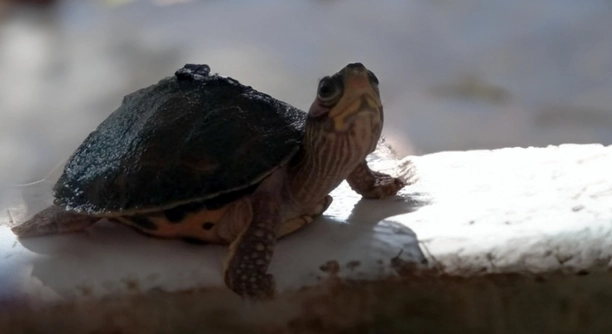
If you own an Indian roofed tortoise, you may have noticed that they sometimes appear lethargic or lack energy. Understanding why this happens can help you keep your pet healthy and active.
Lethargy in Indian roofed tortoises is often caused by improper temperature, poor diet, dehydration, or insufficient basking. Stress and illness can also lead to a lack of energy. Identifying the root cause is crucial to addressing the issue effectively.
By knowing these causes, you can make the necessary adjustments to support your tortoise’s health. Continue reading to discover how to help your tortoise feel more lively and energetic again.
Temperature Issues and Their Impact on Energy Levels
One of the most common reasons for lethargy in Indian roofed tortoises is improper temperature. These tortoises are cold-blooded, which means they rely on their environment to regulate their body temperature. If the temperature in their habitat is too low, they may become sluggish and inactive. The basking area should be between 85 to 90°F (29 to 32°C), while the cooler side of the enclosure should be around 70 to 75°F (21 to 24°C). When the temperature fluctuates outside of this range, your tortoise’s metabolism slows down, leading to tiredness.
Ensure your tortoise has access to a heat source that maintains a consistent temperature. Using a heat lamp or a ceramic heater can help, but always check that it doesn’t get too hot.
Maintaining the right temperature is essential to your tortoise’s overall well-being. If you notice your tortoise becoming lethargic, it may be time to adjust the temperature settings in their habitat to promote better energy levels.
Poor Diet and Nutritional Deficiencies
A poor diet can easily cause lethargy in tortoises. When they do not receive a balanced diet, their energy levels drop significantly. It is essential to feed your tortoise a variety of fresh vegetables, high-fiber plants, and occasional fruits to ensure they get the right nutrients.
Tortoises need foods rich in calcium, fiber, and vitamins to stay healthy and active. Lack of essential nutrients like calcium can cause them to feel weak and inactive.
Make sure your tortoise is getting the right food, and be mindful of portion sizes. A proper diet helps maintain their energy, so ensure you’re offering the right mix of foods to keep them strong and lively.
Dehydration and Its Effects on Energy
Dehydration is another factor that can make your Indian roofed tortoise lethargic. A lack of water or low humidity levels in the enclosure can cause them to feel weak.
Ensure your tortoise has constant access to clean water. Dehydration often leads to loss of appetite and reduced activity. The humidity levels should also be kept at an appropriate range, around 50% to 70%, depending on the climate. You can use a humidity gauge to check this.
Dry environments lead to dehydration, which affects digestion and energy levels. Misting the enclosure regularly or providing a humid hide can help maintain proper humidity. Inadequate hydration can lead to long-term health issues, so always ensure your tortoise has access to water and a humid environment for proper hydration.
Stress and Its Impact on Behavior
Stress is a common cause of lethargy in tortoises. If your tortoise feels threatened, exposed to loud noises, or constantly disturbed, it may withdraw and become inactive.
Environmental stressors like being housed with other aggressive animals, irregular handling, or a noisy household can make your tortoise feel unsafe. Stress affects their behavior and overall health, often leading to a lack of appetite and energy.
Creating a calm and stable environment is crucial for your tortoise’s well-being. Place the enclosure in a quiet area, avoid handling them too much, and try to minimize exposure to stress-inducing factors. A stress-free environment can help your tortoise remain more active and healthy.
Illness and Its Role in Lethargy
If your tortoise is unwell, lethargy is a common symptom. Infections or underlying health problems can drain their energy and cause them to become inactive.
Common illnesses such as respiratory infections, shell rot, or parasites can affect a tortoise’s energy levels. If your tortoise’s behavior suddenly changes or they seem sluggish for no apparent reason, it’s time to monitor them closely and consider seeking veterinary help.
Getting a proper diagnosis and treatment is important for restoring their energy and health. Regular check-ups can prevent illness from going unnoticed and ensure your tortoise remains healthy and active.
Poor Basking Habits
Not basking enough can result in lethargy. If your tortoise doesn’t spend enough time under the heat source, its body temperature can remain too low, leading to tiredness.
Ensure your tortoise has a proper basking spot with the correct temperature, as they need the warmth to aid digestion and stay active. Without proper basking, their metabolism slows down, causing lethargy.
Encourage basking by arranging the enclosure with a heat source in an accessible area. This helps them stay warm and energized, improving their activity levels.
FAQ
How do I know if my Indian roofed tortoise is too cold?
If your tortoise is sluggish, hiding more than usual, or staying in one spot without much movement, it may be too cold. Tortoises need a basking area that stays between 85 to 90°F (29 to 32°C). If the enclosure temperature is too low, they will become lethargic. A heat lamp or ceramic heater can help maintain the proper temperature, and using a thermometer will help monitor this more precisely.
What should I do if my tortoise isn’t eating?
A lack of appetite can be a sign of stress, illness, or poor conditions. Ensure that your tortoise has access to fresh, high-quality food and clean water. If there is no improvement in their eating habits after a day or two, it may be time to consult with a vet. Illness, dehydration, or even improper temperatures can also lead to loss of appetite.
Can dehydration cause lethargy in my tortoise?
Yes, dehydration can make your tortoise very tired and sluggish. Make sure your tortoise always has access to clean, fresh water. You can also mist their enclosure to maintain the right humidity levels. Tortoises need hydration to maintain normal bodily functions, and dehydration will lead to reduced energy and activity.
What are the signs of a sick Indian roofed tortoise?
Some signs of illness in tortoises include lethargy, loss of appetite, wheezing, nasal discharge, swollen eyes, or abnormal shell growth. If you notice any of these symptoms, it’s important to take your tortoise to the vet for a check-up. Early diagnosis and treatment can help prevent further complications.
Can stress affect my tortoise’s energy levels?
Yes, stress can lead to lethargy in tortoises. Common stressors include sudden changes in their environment, loud noises, being handled too much, or the presence of other aggressive animals. Ensuring that your tortoise has a calm and stable environment will help reduce stress and keep them active.
How can I keep my tortoise active and energized?
Proper temperatures, a balanced diet, hydration, and a stress-free environment are essential for keeping your tortoise healthy and active. Make sure their basking area is set at the right temperature, provide a variety of fresh food, and keep their enclosure clean and quiet. Regular check-ups with a vet are also a good idea to ensure your tortoise’s overall health.
Is it normal for my tortoise to sleep a lot?
Tortoises are naturally more active during certain parts of the day, but they do need rest. However, if your tortoise seems excessively tired or sleeps all the time, it may be a sign of an underlying issue, such as improper temperature or health problems. Monitor their behavior, and if it doesn’t improve, consult a vet.
How can I improve my tortoise’s diet?
A healthy tortoise diet should consist of a variety of leafy greens, flowers, and vegetables. Ensure that your tortoise is getting the right balance of calcium, fiber, and vitamins. Avoid overfeeding fruits as they contain too much sugar, which can upset their digestive system. You may also want to add a calcium supplement to their diet.
What are common parasites that can affect tortoises?
Tortoises can suffer from parasites such as mites, worms, or protozoa, which can cause lethargy, weight loss, or changes in behavior. Regular check-ups with a vet can help detect parasites early. A proper quarantine period for any new tortoise you bring home can also prevent the spread of parasites.
Why is my tortoise scratching its shell?
Tortoises often scratch their shells to remove dirt or dead skin, which is normal. However, excessive scratching could be a sign of mites or fungal infections. If you notice signs of irritation or injury on the shell, it’s important to check for parasites and consult with a vet to ensure the shell is healthy.
Can I keep more than one tortoise in the same enclosure?
It’s generally not recommended to house more than one male tortoise together, as they may become territorial or aggressive. Female tortoises tend to get along better, but even they can fight over space or food. If you decide to house more than one tortoise, ensure that the enclosure is large enough for each to have their own space.
Should I provide my tortoise with a hide?
Yes, a hide is important for your tortoise’s well-being. It provides a safe, quiet space where they can retreat when they feel stressed or want to sleep. A hide should be placed in a cool or shaded area of the enclosure, so your tortoise can choose to rest in a comfortable environment away from the heat.
How often should I clean my tortoise’s enclosure?
You should clean your tortoise’s enclosure regularly, at least once a week. Remove uneaten food, waste, and soiled bedding to prevent bacteria and odors. A more thorough cleaning, including disinfecting the entire enclosure, should be done every few weeks to maintain a healthy environment.
Is it necessary to provide UVB light for my tortoise?
Yes, UVB light is essential for tortoises as it helps them produce vitamin D3, which is necessary for calcium absorption and bone health. Without proper UVB exposure, tortoises can develop metabolic bone disease. Ensure the UVB light is replaced regularly, as it loses effectiveness over time.
Final Thoughts
Lethargy in Indian roofed tortoises can often be a sign of underlying issues, whether they stem from environmental factors, health problems, or behavioral stress. It’s crucial to pay attention to any changes in their activity levels, as this can be an early indicator of something more serious. Regularly monitoring their environment, diet, and behavior will help you catch potential issues early and address them before they become more complicated. Ensuring that your tortoise has the right temperature, proper lighting, and an enriching environment can go a long way in preventing lethargy and promoting overall well-being.
Taking preventive measures, such as maintaining a stable habitat, offering a balanced diet, and providing regular veterinary care, will help keep your tortoise healthy and energetic. It’s also important to remember that each tortoise is unique, so what works for one might not be effective for another. Experimenting with different conditions and paying attention to their individual needs can make a significant difference. Additionally, when in doubt, it’s always better to consult a veterinarian who specializes in reptiles to ensure you’re meeting all their health and care requirements.
By taking a proactive approach to their care, you can ensure that your tortoise remains active, healthy, and happy. The key is understanding the root causes of lethargy and addressing them with proper care and attention. Whether it’s adjusting their diet, improving their basking environment, or seeking medical advice, the right steps will help restore your tortoise’s energy and vitality.

Hello,
If you enjoy the content that we create, please consider saying a "Thank You!" by leaving a tip.
Every little bit helps us continue crafting quality advice that supports the health, happiness, and well-being of pets around the world, for pets of all shapes, sizes, and species.
We really appreciate the kindness and support that you show us!