
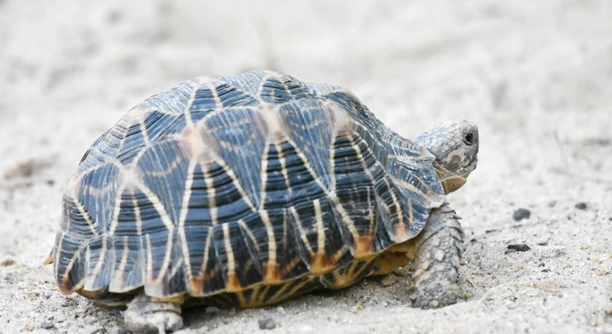
Turtles are fascinating creatures, but sometimes they experience health issues that can be concerning for their owners. One common issue is eye swelling, which can be caused by a variety of factors. Understanding the cause can help provide the right care.
Eye swelling in turtles is most commonly caused by factors such as infections, injury, poor water quality, or improper diet. In some cases, it may also result from vitamin A deficiency, environmental stress, or improper lighting conditions.
Identifying these causes is essential for maintaining your turtle’s health and well-being. With the right information, you can take steps to prevent and treat eye swelling in turtles effectively.
Poor Water Quality
One of the most common reasons for eye swelling in turtles is poor water quality. Turtles are sensitive to the cleanliness of their environment, and when the water becomes contaminated, it can lead to infections that affect their eyes. Bacteria and harmful organisms can build up in the water, which may cause irritation or swelling around the eyes. A dirty tank can also contribute to stress, which further weakens the turtle’s immune system.
A proper filtration system is essential to keep the water clean. Regular water changes are also necessary to prevent the buildup of harmful substances. Keeping the water temperature and pH levels within the recommended range is also crucial for maintaining your turtle’s health.
Inadequate water quality can quickly lead to other health issues, so it’s important to be vigilant about your turtle’s habitat. Monitoring the tank’s cleanliness is one of the most effective ways to prevent eye problems in the future.
Infections
Infections are a common cause of eye swelling in turtles. Bacterial, viral, or fungal infections can all lead to eye irritation and swelling. These infections can often be traced back to poor water conditions or injury.
When a turtle’s immune system is weakened by poor water quality or stress, it becomes more susceptible to infections. These infections can spread from the eyes to other parts of the body, making treatment more complicated.
Injury
Injury to a turtle’s eye can cause swelling. If a turtle gets into a fight or accidentally bumps into objects, it can lead to trauma. Injuries may not always be obvious, but they can cause swelling, redness, or discharge from the eye.
If your turtle’s eye appears swollen after an injury, it’s important to inspect for cuts or abrasions. Swelling can sometimes be accompanied by a cloudy eye, which could indicate a more serious issue. A quick response is necessary to prevent further damage.
If left untreated, minor injuries can develop into more severe infections. It’s important to isolate the injured turtle and ensure the water quality is optimal while it recovers. If the swelling does not reduce, consult a vet for treatment options.
Vitamin A Deficiency
Vitamin A plays a vital role in maintaining a turtle’s overall health, especially eye health. A lack of vitamin A in their diet can lead to eye swelling, cloudiness, and even blindness. This deficiency is often linked to an improper diet or feeding habits.
Turtles require foods rich in vitamin A, such as leafy greens, carrots, and other vegetables. Without these, the turtle’s immune system can become compromised, making it more susceptible to infections. Over time, the lack of vitamin A can lead to serious eye problems.
It’s essential to monitor the turtle’s diet closely and ensure they receive a proper balance of nutrients. If you suspect a vitamin A deficiency, consider adjusting their diet or providing supplements. Addressing this early on can prevent long-term health issues and promote overall well-being.
Stress
Stress is a common cause of eye swelling in turtles. If a turtle is in an environment with sudden changes, loud noises, or overcrowding, it can lead to physical symptoms, including swollen eyes. Stress weakens the immune system, making the turtle more vulnerable to infections.
Creating a calm and stable environment for your turtle is key. This includes keeping their tank in a quiet area and avoiding sudden changes in their routine. Reducing stress levels will help maintain their health and prevent swelling. Regular monitoring of their behavior can also help identify stress early.
Improper Lighting
Turtles require the right lighting for healthy vision. Insufficient UVB light can lead to eye problems, including swelling. UVB light is crucial for the turtle’s metabolism and overall well-being. Without it, they can develop a weakened immune system, causing issues like eye swelling.
Make sure your turtle has access to the right lighting for at least 10-12 hours a day. UVB light helps the turtle absorb calcium and keep their immune system functioning. Without proper lighting, turtles can develop more serious health issues, including swollen eyes and infections.
Diet Imbalance
A poor diet can cause eye swelling in turtles. If they’re not receiving enough essential nutrients, such as vitamins or minerals, it can affect their eye health. An improper diet can lead to deficiencies that weaken their immune system and increase the risk of infections or swelling.
It’s important to provide a balanced diet that includes vegetables, protein, and high-quality pellets. Regularly offering different foods ensures they’re getting all the nutrients they need. Avoid feeding them only one type of food, as this can lead to imbalances and health problems.
FAQ
What can I do if my turtle’s eyes are swollen?
If your turtle’s eyes are swollen, the first step is to assess their environment. Make sure the water quality is clean, as poor water conditions can lead to infections and eye problems. Change the water regularly and ensure the tank is properly filtered. If the swelling doesn’t go down, check for any visible injuries or cuts around the eye. A vet visit might be necessary if the swelling persists, especially if there is any discharge or the eye appears cloudy.
Can stress cause eye swelling in turtles?
Yes, stress can cause eye swelling in turtles. Environmental changes, overcrowding, or a lack of hiding spots can stress your turtle out. Turtles are sensitive to their surroundings, and stress can lead to a weakened immune system, making them more susceptible to infections that may cause swelling. Reducing stress factors and providing a calm environment can help prevent such issues.
How do I know if my turtle has a vitamin A deficiency?
Turtles with vitamin A deficiency may show signs such as swollen eyes, cloudy eyes, or difficulty closing their eyelids. Other symptoms include loss of appetite or trouble seeing. If you notice these signs, consider adjusting their diet to include more vitamin A-rich foods, such as dark leafy greens, carrots, and sweet potatoes. You can also supplement their diet with a vitamin A supplement after consulting a vet.
How can I prevent my turtle’s eyes from getting swollen?
Preventing eye swelling starts with proper care. Maintain a clean tank with good filtration, provide a balanced diet rich in vitamins and minerals, and ensure the turtle gets adequate UVB light. Also, avoid stressors in their environment by providing plenty of space and hiding spots. Regular checkups with a vet can help spot any issues before they become serious.
Is it normal for a turtle’s eyes to be slightly swollen?
A small amount of swelling in a turtle’s eyes can happen from time to time, especially after a minor injury or environmental change. However, if the swelling persists or worsens, it could indicate a more serious issue, such as an infection or a nutritional deficiency. Keeping an eye on the swelling and consulting a vet if it doesn’t improve is important.
How can I treat an infection causing my turtle’s eye swelling?
Treating an infection requires addressing the cause. If it’s related to poor water quality, improve the tank’s filtration system and change the water more frequently. If the infection is severe, a vet might prescribe antibiotics or topical treatments. Make sure your turtle’s diet is balanced and include vitamin A-rich foods to support their immune system.
Can eye swelling in turtles lead to blindness?
If left untreated, eye swelling can lead to blindness. Conditions like vitamin A deficiency or infections can cause permanent damage if not addressed in time. Swelling that persists or worsens should be treated promptly to avoid complications. Early intervention can prevent long-term damage to the turtle’s eyesight.
How often should I change the water in my turtle’s tank?
You should change at least 25-50% of the water in your turtle’s tank every week, depending on the size of the tank and the number of turtles. Regular water changes help prevent the buildup of harmful bacteria and waste that can cause infections. A good filtration system can reduce the need for frequent water changes but should not replace them entirely.
What type of UVB light is best for turtles?
Turtles need UVB light to synthesize vitamin D3, which is essential for calcium absorption. Use a UVB light specifically designed for reptiles that emits a spectrum between 290-320 nm. The light should be positioned close enough to your turtle’s basking area for them to absorb the necessary UVB rays. Replace the bulb every 6-12 months, as its UVB output decreases over time.
Can improper diet cause eye swelling in turtles?
Yes, an improper diet can lead to eye swelling in turtles. If a turtle doesn’t get enough of the right nutrients, such as vitamin A, it can develop eye problems. A balanced diet that includes a variety of vegetables, fruits, and protein sources is essential. Avoid feeding your turtle too many high-fat or low-nutrient foods like processed pellets alone.
Final Thoughts
Turtles are resilient creatures, but they still require proper care to stay healthy. Eye swelling is often a sign that something is wrong, whether it’s an infection, poor diet, or stress. Identifying the cause early is key to preventing further complications. When you notice signs like swollen eyes, it’s important to take action right away, whether that means adjusting their environment, improving their diet, or seeking veterinary help. This proactive approach can make a big difference in your turtle’s health.
The most common causes of eye swelling in turtles are stress, poor water quality, and nutritional deficiencies. By maintaining a stable and clean environment, providing a balanced diet, and ensuring proper UVB lighting, you can greatly reduce the risk of these issues. Monitoring your turtle’s behavior and physical condition is essential for catching potential problems early. The better care you give them, the fewer health problems you will face. Taking these simple steps can go a long way in helping your turtle live a long, healthy life.
If you’ve noticed persistent eye swelling in your turtle, don’t ignore it. While some causes can be easily addressed, others, like infections, may require medical treatment. Always consult with a veterinarian if you’re unsure of the cause or if the condition worsens. Taking care of your turtle’s eye health, along with their overall well-being, will ensure that they remain happy and thriving for many years. Regular checkups and good habits can help you avoid complications down the road, so you can enjoy watching your turtle thrive in its home.

Hello,
If you enjoy the content that we create, please consider saying a "Thank You!" by leaving a tip.
Every little bit helps us continue crafting quality advice that supports the health, happiness, and well-being of pets around the world, for pets of all shapes, sizes, and species.
We really appreciate the kindness and support that you show us!