
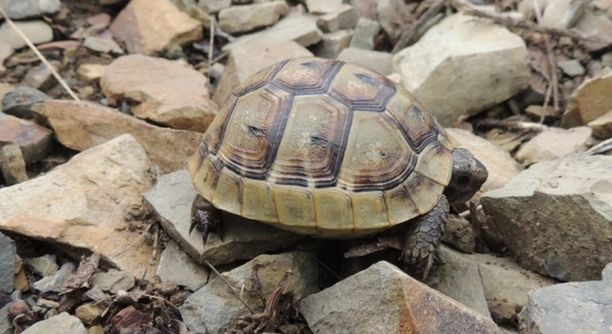
Greek tortoises are a popular pet, admired for their calm nature and unique appearance. However, like all animals, they can face certain health challenges, including eye problems. Understanding the common causes of these issues is crucial for their well-being.
Eye problems in Greek tortoises can result from several factors, such as poor diet, environmental stress, dehydration, or infections. Inadequate UVB exposure and a lack of clean water can also lead to eye irritation and other health complications.
By recognizing the signs early, you can prevent further damage and promote your tortoise’s health. This article highlights the most common causes and offers advice on how to keep your tortoise’s eyes healthy.
Poor Diet and Nutritional Deficiencies
A diet lacking in essential nutrients is one of the leading causes of eye problems in Greek tortoises. These tortoises require a balanced diet that includes a variety of leafy greens, vegetables, and fruits to ensure proper nutrition. If they are fed an improper diet, they may suffer from vitamin A deficiencies, which can lead to swollen, crusty eyes or even blindness. Vitamin A plays a critical role in maintaining healthy skin and eyes, and a deficiency can quickly cause noticeable issues.
While Greek tortoises naturally forage for food in the wild, pet owners need to provide a similar variety of fresh food to ensure they receive all the necessary nutrients. Regularly offering a mix of dark leafy greens, such as collard greens, dandelion greens, and romaine lettuce, is important. Additionally, some fruits like strawberries or melon can be given as occasional treats.
Ensuring a proper diet not only keeps your tortoise healthy but helps prevent eye problems before they begin. A well-balanced nutritional regimen can keep these delicate creatures thriving and their eyes clear.
Lack of Proper UVB Lighting
UVB light is essential for tortoises, and without it, their health can quickly decline. Lack of UVB light can cause eye issues, along with shell problems and other complications. Greek tortoises in captivity need access to UVB lighting to simulate natural sunlight. Without proper exposure, their bodies cannot process vitamin D3, which is vital for calcium absorption. This can result in weakened bones, poor shell growth, and eye problems.
The best way to ensure your tortoise gets the necessary UVB exposure is by placing them under a UVB light source for 10-12 hours a day. Make sure to use bulbs specifically designed for reptiles and replace them every 6 months, as their UVB output diminishes over time. It’s also important to ensure that the light is within the appropriate distance from your tortoise, as too much distance can reduce its effectiveness.
In addition to UVB lighting, giving your tortoise the chance to bask in natural sunlight when possible can make a big difference in their overall health and prevent eye issues.
Dehydration
Dehydration is a common issue that can lead to various health problems in Greek tortoises, including eye issues. If they don’t drink enough water, their eyes can become dry and irritated. Tortoises require a consistent supply of fresh water to stay hydrated, especially in warm environments.
To encourage proper hydration, it’s essential to provide a shallow dish of clean water that’s accessible. You can also mist their habitat regularly to maintain humidity. Offering water-rich vegetables, such as cucumbers, can help keep your tortoise hydrated as well. If a tortoise is consistently dehydrated, their eyes will show signs of stress, so regular hydration is key to preventing further problems.
Make sure to check your tortoise’s water bowl daily and change it frequently to ensure it’s clean. Hydration plays a major role in their overall health, so ensuring they have access to fresh water will prevent unnecessary eye discomfort.
Eye Infections
Eye infections are another common cause of eye problems in Greek tortoises. These infections can result from unsanitary living conditions, improper humidity, or exposure to bacteria and fungi. Dirty bedding or infrequent cleaning of their environment can lead to eye irritation and discharge.
Regularly cleaning the enclosure and maintaining proper humidity levels will help reduce the risk of infections. Use safe bedding, such as coconut fiber or reptile-safe liners, and ensure their habitat is well-ventilated. Additionally, monitoring their behavior and looking for signs of infection, such as swelling or discharge around the eyes, is important for early detection.
If an infection is suspected, it’s best to consult with a veterinarian experienced in reptile care. Left untreated, eye infections can worsen and lead to long-term damage.
Stress and Environmental Changes
Stress is a major factor in eye problems for Greek tortoises. Changes in their environment, such as moving to a new habitat or the introduction of other animals, can cause significant stress. Stress can manifest in watery, swollen eyes or refusal to eat.
To minimize stress, maintain a stable environment with consistent temperature, humidity, and lighting. Avoid sudden changes to their habitat or routine, and limit the number of animals in the enclosure. Keep their space quiet and peaceful to help them feel secure.
Stress can also lead to other health issues, so it’s important to monitor their behavior and make adjustments as needed. By creating a calm, predictable environment, you can help prevent stress-related eye problems.
Inadequate Shelter and Hiding Spots
Greek tortoises are naturally shy creatures and need places to retreat and feel safe. Without proper hiding spots in their habitat, they can experience stress, which may cause eye issues.
Providing sufficient hiding spaces allows your tortoise to escape from any disturbances. Consider adding tunnels, boxes, or plants where they can feel secure. This will reduce their stress and help prevent eye irritation from anxiety.
A tortoise with access to quiet, private areas will be less likely to experience eye problems due to stress. Always ensure they have enough places to hide when they need to rest.
Trauma or Injury
Injury to the eyes can happen easily if the tortoise is not handled properly or if its environment is unsafe. Scratches, bumps, or accidents with objects can cause swelling or infections around the eyes.
To prevent injuries, always handle your tortoise gently and ensure that their habitat is free from sharp objects or hazards. If an injury occurs, clean the area carefully and monitor for signs of infection, such as swelling or discharge.
A vet visit is often necessary if there is any visible injury to the eyes to avoid further complications. Keeping their environment safe and handling them with care will help reduce the risk of eye injuries.
FAQ
What are the signs of eye problems in Greek tortoises?
Common signs of eye problems include swollen, crusty, or watery eyes. If your tortoise has difficulty opening their eyes or is rubbing their face, it could indicate discomfort. Discharge, excessive blinking, or redness are also signs to watch for. If you notice these symptoms, it’s important to act quickly to prevent further damage.
How can I prevent eye problems in my Greek tortoise?
The best way to prevent eye issues is by maintaining a clean and stable environment. Ensure your tortoise has access to proper lighting, a balanced diet, and fresh water. Regularly clean their habitat to avoid infections, and provide a safe space for them to hide and feel secure.
Can eye problems lead to blindness in Greek tortoises?
Yes, untreated eye problems can lead to blindness in Greek tortoises. If issues such as infection or vitamin deficiencies are not addressed in a timely manner, they can cause permanent damage to their eyes. It’s essential to seek veterinary care early on to avoid long-term consequences.
How much UVB light does my Greek tortoise need?
Your Greek tortoise needs at least 10-12 hours of UVB light each day. This helps them synthesize vitamin D3, which is essential for their overall health, including eye health. Make sure to replace UVB bulbs every six months and position them within the correct distance from the tortoise to ensure they receive proper exposure.
Can I use natural sunlight for my tortoise instead of UVB bulbs?
Yes, natural sunlight is ideal for Greek tortoises, as long as they can bask safely in it. However, it can be difficult to guarantee consistent sunlight, especially during colder months or in certain climates. UVB bulbs provide a reliable alternative to ensure your tortoise gets the proper exposure.
What is the best diet for my Greek tortoise to maintain healthy eyes?
A varied diet rich in leafy greens, such as dandelion greens, kale, and collard greens, is essential for your tortoise’s eye health. High-quality greens provide vitamins like A, which helps maintain healthy eyes. Avoid feeding them too much fruit or high-protein foods, as this can lead to imbalances.
Can I use eye drops or ointments to treat eye problems in my Greek tortoise?
While it’s tempting to use over-the-counter eye drops, it’s best to consult with a vet before applying any treatments to your tortoise’s eyes. Some drops or ointments designed for humans may not be safe for reptiles. A vet can recommend appropriate treatments based on the specific issue your tortoise is facing.
Should I worry about my Greek tortoise blinking frequently?
Frequent blinking can indicate irritation or discomfort in the eyes. This could be due to dryness, infection, or even stress. If your tortoise is blinking excessively, monitor their behavior closely. Ensure they have proper hydration, UVB lighting, and a stress-free environment. If blinking continues, consult a veterinarian.
How often should I clean my Greek tortoise’s enclosure?
You should clean your tortoise’s enclosure at least once a week to avoid the buildup of bacteria, fungi, or other harmful elements that could affect their eyes and health. Change bedding and scrub surfaces regularly. A clean and dry environment helps prevent infections and keeps your tortoise comfortable.
Can an injury cause eye problems in my Greek tortoise?
Yes, eye injuries can result from rough handling or environmental hazards. Scratches or trauma to the eye can cause swelling, irritation, or even infection. If you notice any signs of injury, clean the area gently and monitor for any changes. It’s best to seek professional care to prevent complications.
Are there any specific health conditions that cause eye problems in Greek tortoises?
Yes, several health conditions can cause eye problems, such as vitamin A deficiency, respiratory infections, and eye infections. These conditions often stem from poor diet, inadequate UVB light, or unsanitary living conditions. Regular checkups with a vet and maintaining a healthy environment can reduce the risk of these issues.
Can I treat eye infections at home?
While minor irritation can sometimes be managed at home with proper care, infections should be treated by a veterinarian. If your tortoise has a discharge or swollen eyes, it’s essential to seek veterinary advice. Eye infections can worsen without the proper medication, leading to permanent damage.
How do I know if my Greek tortoise is stressed?
Signs of stress in Greek tortoises include loss of appetite, excessive hiding, or erratic behavior. Stress can also manifest in physical symptoms like swollen eyes or lethargy. To reduce stress, make sure their habitat is stable, quiet, and secure. Limit handling and provide them with adequate hiding spots.
Can poor humidity cause eye issues in Greek tortoises?
Yes, inadequate humidity can lead to dry eyes and irritation. Greek tortoises require moderate humidity levels to thrive. If the air is too dry, their eyes may become dry, causing discomfort or infection. Keep the enclosure humidity levels stable and use a misting system or water dish to help.
Is it normal for my Greek tortoise to have discharge from its eyes?
Eye discharge is not normal and can indicate an infection or irritation. If you notice clear or cloudy discharge from your tortoise’s eyes, it’s important to address the issue quickly. A vet can diagnose whether it’s an infection or another underlying health problem.
When should I take my Greek tortoise to the vet for eye issues?
If you notice any abnormal eye behavior, such as excessive discharge, swelling, or difficulty opening the eyes, it’s time to visit a vet. Early detection and treatment can prevent further complications and ensure the health of your tortoise’s eyes.
Final Thoughts
Greek tortoises are resilient creatures, but their eye health is often overlooked. Maintaining a clean, well-lit, and balanced environment is crucial for preventing eye problems. Ensuring your tortoise receives the right amount of UVB exposure and a nutritious diet will help avoid many common issues. Regularly monitor their eyes for any signs of discomfort, and make sure they have access to fresh water and a safe, secure living space. Addressing potential eye issues early can save your tortoise from unnecessary suffering.
If you notice any signs of eye problems, such as swelling, discharge, or excessive blinking, it’s important to act quickly. Consult a vet if necessary, as untreated issues can lead to permanent damage or even blindness. Treating these conditions early can prevent further complications and ensure your tortoise stays healthy for years to come. Eye problems in Greek tortoises are often preventable with proper care, but it’s essential to remain vigilant and proactive.
In summary, understanding the causes of eye problems in Greek tortoises can help you provide the best care possible for your pet. By following simple guidelines for lighting, diet, and habitat maintenance, you can minimize the risk of eye issues. However, if problems do arise, seeking prompt veterinary care is the best way to protect your tortoise’s eye health. With a little attention and effort, your tortoise can live a long, healthy life free from serious eye conditions.

Hello,
If you enjoy the content that we create, please consider saying a "Thank You!" by leaving a tip.
Every little bit helps us continue crafting quality advice that supports the health, happiness, and well-being of pets around the world, for pets of all shapes, sizes, and species.
We really appreciate the kindness and support that you show us!