
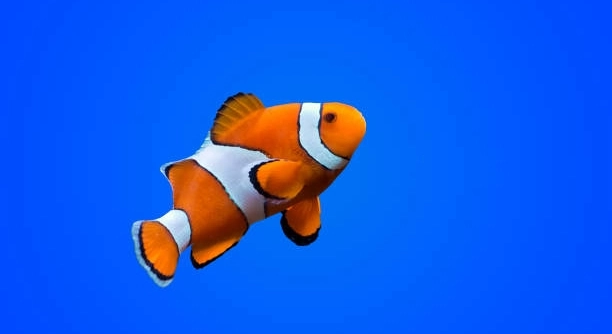
Clownfish are well known for their close relationship with sea anemones. Many aquarium hobbyists enjoy watching these colorful fish interact with their hosts. However, it is not uncommon for clownfish to experience rejection by their anemone hosts.
Host rejection in clownfish is caused by several factors including stress, poor water quality, incorrect anemone species, aggressive behavior, health issues, improper acclimation, and territorial disputes. These causes disrupt the mutual symbiotic relationship and lead to the anemone rejecting the clownfish.
Understanding these common causes can help aquarium owners create a better environment for both clownfish and their anemone hosts, promoting a healthier and more natural relationship.
Stress and Its Impact on Host Rejection
Stress is a major factor that affects clownfish behavior and their acceptance by anemone hosts. Changes in the environment, such as sudden movements, loud noises, or frequent tank maintenance, can increase stress levels in clownfish. When stressed, clownfish may exhibit erratic swimming, hide frequently, or avoid the anemone altogether. This behavior disrupts the natural bond between clownfish and their host, causing the anemone to reject the fish. Additionally, stress weakens the immune system of clownfish, making them more vulnerable to illness. It is important to maintain a calm and stable environment to reduce stress. Keeping tank conditions consistent, limiting sudden changes, and providing plenty of hiding spaces helps clownfish feel secure. Lower stress levels improve the chances of a successful relationship with their anemone hosts, promoting healthier and more vibrant fish.
Stress can lead to poor interactions between clownfish and anemones, ultimately causing host rejection and affecting overall fish health.
Managing stress is key to fostering a positive bond between clownfish and their anemone. Providing a quiet, stable environment with minimal disturbances reduces stress. Consistent water parameters and gentle handling during tank maintenance also play important roles. Creating safe spaces within the aquarium encourages natural clownfish behavior, allowing them to approach the anemone more comfortably. Regular monitoring of fish behavior can help identify stress early, allowing prompt adjustments to the environment. Reducing stress is an effective way to prevent host rejection and maintain a balanced aquarium ecosystem.
Water Quality and Its Effects on Clownfish Behavior
Poor water quality negatively impacts clownfish health and their ability to form bonds with anemones. High levels of ammonia, nitrites, or nitrates create an unhealthy environment that stresses fish and damages their natural behavior. Temperature fluctuations, improper pH, and low oxygen levels further weaken clownfish and can cause them to avoid their host anemone. Maintaining clean water through regular testing and filtration is essential. Proper water changes and stable parameters help create a supportive environment for clownfish and anemones to coexist peacefully. Without good water quality, clownfish are more likely to be rejected by their hosts.
Keeping water clean and stable supports a healthy environment that encourages clownfish to stay close to their anemones.
Maintaining excellent water quality is essential for the health and behavior of clownfish. Regular testing for ammonia, nitrite, nitrate, pH, and temperature ensures the tank conditions stay within safe limits. Ammonia and nitrite should always be at zero, while nitrate levels must be kept low through frequent water changes. Stable temperature prevents stress, supporting natural fish activity. Good filtration and avoiding overfeeding help maintain clarity and water chemistry. When water quality is optimized, clownfish remain active and healthy, increasing their likelihood of being accepted by anemones. Consistency in water parameters plays a vital role in preserving the symbiotic relationship, allowing both species to thrive in a balanced aquarium setting.
Incorrect Anemone Species
Choosing the wrong anemone species for clownfish often causes rejection. Some anemones are not suitable hosts due to differences in their natural compatibility, size, or toxicity.
Clownfish typically form symbiotic relationships with a few specific anemone species, such as Heteractis magnifica or Stichodactyla gigantea. When placed with incompatible anemones, clownfish may fail to establish a bond or be outright rejected. This is because each anemone species has different chemical signals and physical characteristics that affect clownfish recognition and acceptance. Using an unsuitable anemone can lead to stress for both organisms and disrupt their natural interaction. Aquarists should research the preferred anemone species for their clownfish variety to ensure a successful pairing.
Besides species compatibility, anemone health and size also affect host acceptance. Anemones that are too small or unhealthy may reject clownfish as they cannot support them properly. Proper selection and care are essential for maintaining a healthy relationship.
Aggressive Behavior Among Clownfish
Aggression between clownfish can cause host rejection and disrupt the tank environment. Dominant individuals may attack or chase away others, preventing bonding with the anemone.
Clownfish are territorial by nature, especially when establishing a host anemone. When multiple clownfish occupy the same tank without enough space or multiple anemones, aggressive behavior increases. This aggression stresses both the fish and the anemone, sometimes causing the host to reject the less dominant fish. Aggressive interactions often include biting, chasing, and guarding the anemone aggressively. Managing the number of clownfish and providing adequate space reduces these conflicts. Introducing clownfish gradually and monitoring their behavior can help maintain peace.
Aggressive behavior can also be triggered by improper tank conditions, such as overcrowding or lack of hiding spots. Keeping an environment that supports natural social behavior is vital to prevent aggression-related rejection and support healthy clownfish-anemone relationships.
Health Issues in Clownfish
Illness or injury weakens clownfish, making them less likely to be accepted by anemone hosts. Poor health changes their behavior and reduces their ability to interact naturally.
Sick clownfish often become lethargic and avoid the anemone. Parasites, bacterial infections, and poor nutrition are common causes. Maintaining good water quality, a balanced diet, and prompt treatment of diseases helps keep clownfish healthy and more likely to bond with their hosts.
Improper Acclimation Process
Acclimating clownfish slowly to a new tank and its anemone is essential. Sudden changes in environment can cause stress, leading to host rejection.
When introduced to a new aquarium, clownfish need gradual adjustment to water parameters and tank conditions. Rushing this process can shock the fish, causing them to avoid or be rejected by the anemone. Proper acclimation includes floating the bag, slowly mixing tank water, and monitoring the fish’s behavior during introduction.
Territorial Disputes
Clownfish defend their space fiercely. If multiple fish compete for the same anemone, rejection of one or more fish may occur.
Improper Tank Setup
A tank without proper space, hiding spots, or environmental balance increases stress and rejection risks.
Why do clownfish sometimes get rejected by their anemone hosts?
Clownfish rejection by anemones happens mainly because the symbiotic relationship depends on specific conditions. Stress, poor water quality, and incompatible anemone species disrupt this balance. When any of these factors occur, the anemone may see the clownfish as a threat or simply not recognize it, leading to rejection. Clownfish also need to acclimate properly to their environment; rushing this process can cause stress and avoidance. Aggressive behavior between clownfish or territorial disputes may further drive the host to reject one or more fish. Overall, the relationship requires stable conditions, health, and proper species matching to succeed.
How can I tell if my clownfish is stressed and why does that affect the host relationship?
Signs of stress in clownfish include erratic swimming, hiding, loss of appetite, and color fading. Stress weakens their immune system and changes behavior, making clownfish less likely to interact naturally with their anemone host. A stressed fish may avoid the anemone or appear fearful, which causes the anemone to reject it since their mutual protection and care behavior breaks down. Reducing stress by maintaining consistent water quality, minimizing disturbances, and offering hiding spots helps clownfish feel secure, improving the chance of acceptance by the host.
What water conditions are best to prevent host rejection?
Stable water conditions are crucial. Ammonia and nitrite levels should be zero, and nitrate should remain low through regular water changes. Temperature should be steady, generally between 24°C and 27°C (75°F to 80°F), with pH around 8.0 to 8.4. Oxygen levels must be adequate, and salinity should be maintained between 1.023 and 1.025 specific gravity. Good filtration and avoiding overcrowding support clean water. These parameters keep clownfish healthy and calm, encouraging a successful relationship with their anemone hosts.
Can the type of anemone affect whether clownfish are accepted?
Yes, only certain anemone species form strong symbiotic bonds with clownfish. Common compatible species include Heteractis magnifica, Stichodactyla gigantea, and Entacmaea quadricolor. Using an incompatible anemone often results in rejection because the chemical and physical cues needed for recognition are absent. Size and health of the anemone also matter. A small or unhealthy anemone may not provide the necessary protection or environment, causing clownfish to be rejected or avoid it altogether.
How important is acclimation for clownfish and their anemone hosts?
Acclimation is critical. Sudden changes in water parameters or tank environment stress clownfish and interfere with their ability to bond with the anemone. Gradual acclimation involves slowly adjusting the fish to the new tank water over several hours by mixing tank water with the transport water. This reduces shock and helps the clownfish become comfortable enough to approach the anemone. Without proper acclimation, the fish may reject the anemone or be rejected, harming the symbiotic relationship.
What role does clownfish aggression play in host rejection?
Clownfish can be territorial, especially when competing for a single anemone. Dominant fish may chase or attack others, which stresses both the aggressors and the victims. This aggression can cause weaker fish to avoid the anemone or be physically rejected by it as the dominant clownfish guards the host. Reducing aggression requires enough space, multiple hiding spots, and, if possible, more than one anemone to distribute territories. Monitoring interactions and adjusting tank conditions can help reduce hostility.
Can health problems in clownfish lead to host rejection?
Yes, sick or injured clownfish behave differently and are often avoided or rejected by anemones. Illnesses like parasites, bacterial infections, or poor nutrition weaken clownfish and reduce their ability to engage in mutual protection with the host. A sick fish may be lethargic or hide excessively, which breaks the natural bond. Preventing health issues through good diet, water quality, and early treatment improves chances of acceptance.
How can I improve the chances of my clownfish being accepted by the anemone?
Start with choosing compatible anemone species and ensuring excellent water quality. Acclimate fish slowly to minimize stress. Provide sufficient space and hiding places to reduce aggression and territorial disputes. Monitor fish health closely and treat illnesses promptly. Maintaining a stable, clean environment supports the natural symbiotic behavior, increasing the likelihood that clownfish will be welcomed and protected by their anemone host.
Understanding why clownfish experience host rejection is important for anyone keeping them in aquariums. Several common causes, such as stress, poor water quality, and incompatible anemone species, all play a role in disrupting the natural relationship between clownfish and their hosts. Each factor affects the behavior and health of both organisms, making it essential to create and maintain a stable environment. Recognizing these causes allows aquarium owners to take appropriate steps to reduce the chances of rejection and promote a healthier, more balanced habitat.
Managing stress in clownfish is one of the most effective ways to prevent host rejection. Stress can arise from sudden changes in the environment, poor water conditions, or aggressive interactions between fish. When clownfish are stressed, their behavior changes, and they may avoid their anemone or fail to develop a proper bond. Keeping water parameters stable, limiting disturbances, and providing sufficient hiding places are simple but important practices. These measures help clownfish feel secure, which supports their natural instinct to live with anemones.
Overall, the relationship between clownfish and their anemone hosts depends on many interconnected factors. Paying attention to proper tank setup, selecting compatible species, and maintaining good fish health are all necessary. A calm and stable environment encourages clownfish to settle and form strong bonds with their anemones. With the right care and knowledge, aquarium owners can improve the chances of a successful and lasting symbiotic relationship that benefits both species.

Hello,
If you enjoy the content that we create, please consider saying a "Thank You!" by leaving a tip.
Every little bit helps us continue crafting quality advice that supports the health, happiness, and well-being of pets around the world, for pets of all shapes, sizes, and species.
We really appreciate the kindness and support that you show us!