
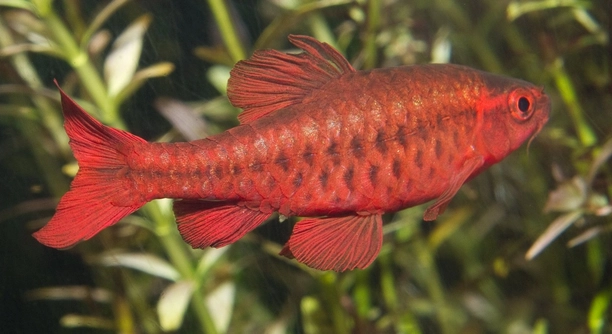
Cherry Barbs are a popular choice for aquarium enthusiasts, known for their vibrant colors and active nature. However, these small fish can sometimes suffer from injuries, affecting their health and well-being. Understanding the causes can help improve their care.
Common causes of Cherry Barb injury include poor water conditions, inappropriate tank mates, improper handling, and rough decorations. Stress from overcrowding or sudden changes in the environment can also contribute to injury, leading to health complications.
Addressing these factors can prevent harm and ensure your Cherry Barbs thrive in a safe and healthy environment.
Poor Water Conditions
Water quality plays a critical role in the health of your Cherry Barbs. If the water is too acidic, alkaline, or contains too much waste, it can cause stress and injury. High ammonia or nitrite levels, often caused by poor filtration or overfeeding, can lead to chemical burns or other injuries to the fish.
Maintaining the right water parameters is crucial. Keep the temperature between 72-79°F and ensure pH levels stay between 6.0 and 7.5.
Regular water changes, proper filtration, and monitoring ammonia, nitrite, and nitrate levels can help avoid these issues. It’s also a good idea to invest in a water testing kit to stay on top of any imbalances. Clean water will keep your fish comfortable and healthy, reducing the risk of injury and stress. Proper care will make a huge difference in the longevity and happiness of your Cherry Barbs.
Inappropriate Tank Mates
Not all tank mates are suitable for Cherry Barbs. Larger or aggressive fish can easily injure or harass these small fish, especially if they feel threatened.
Aggressive species like cichlids or even overly curious fish can cause physical harm to Cherry Barbs by nipping their fins or attacking them.
Adding peaceful species like tetras or small catfish is a better choice. These species will not compete aggressively for space and food, allowing Cherry Barbs to move freely without fear. It’s important to research fish compatibility to create a harmonious tank environment. Choosing the right companions will significantly lower the risk of injury, giving your Cherry Barbs the chance to thrive.
Improper Handling
Handling Cherry Barbs roughly or improperly can easily lead to injury. These small, delicate fish are prone to stress when taken out of the water or mishandled during tank maintenance. Even quick transfers from one container to another can cause physical harm.
When handling your Cherry Barbs, it’s important to use a gentle net and avoid excessive handling. Avoid using your hands to catch them, as oils and dirt can harm their delicate skin.
If you need to move your fish, try to do it with minimal stress. Ensure the tank is well-maintained so that frequent handling isn’t necessary. The less your fish are disturbed, the healthier and safer they will be. Reducing physical interaction with them will also prevent unintentional harm.
Rough Decorations
Sharp or rough decorations in the aquarium can cause injury to your Cherry Barbs, especially since they love to swim through plants or hide in caves. Items with jagged edges or rough surfaces pose a risk to their sensitive bodies.
To avoid injuries, choose decorations with smooth edges. Avoid any sharp rocks, broken ceramic items, or artificial plants with harsh textures. Always inspect the tank before adding new decorations, ensuring that everything is safe for your fish.
Creating a safe, injury-free environment means regularly checking the tank setup. Make sure there are no items that could potentially cause harm. A well-organized tank with soft, safe decorations will help your Cherry Barbs stay healthy and active.
Stress from Overcrowding
Overcrowding is one of the most common causes of stress for Cherry Barbs. Too many fish in a small tank can lead to competition for space and resources. This can cause physical injuries and weaken their immune systems.
Maintaining an appropriate fish-to-water ratio is essential for their well-being. Overcrowding can lead to aggression and reduce water quality, both of which increase the risk of injury. It’s important to provide enough space for each fish to swim freely and hide if necessary.
A tank with too many fish will result in heightened stress and potential injuries. Make sure your tank is large enough to accommodate the number of fish, and avoid adding new ones too quickly. A less crowded environment will ensure your Cherry Barbs remain healthy and comfortable.
Sudden Environmental Changes
Cherry Barbs are sensitive to sudden changes in their environment, whether it’s a rapid shift in water temperature, pH, or other factors. These abrupt changes can cause stress, leading to injury or illness.
To prevent this, always make adjustments gradually. If you need to change the water temperature or parameters, do so slowly to give your fish time to acclimate. Drastic changes can shock their systems and weaken their defenses.
A stable environment is key to the long-term health of your Cherry Barbs. Avoid frequent, sudden changes and maintain a consistent, balanced tank to reduce the risk of injury or stress.
Poor Nutrition
A lack of proper nutrition can weaken Cherry Barbs and make them more susceptible to injury. Poor feeding habits, such as irregular feeding times or offering the wrong type of food, can lead to malnutrition.
Feeding your Cherry Barbs a well-balanced diet, including high-quality flakes or pellets, will ensure they stay strong and healthy. Adding occasional live or frozen foods can help with their nutrition as well.
Proper nutrition supports their immune system and overall well-being, making them more resilient to stress and injury. Avoid overfeeding or underfeeding to keep them at their healthiest.
FAQ
What is the ideal tank size for Cherry Barbs?
The ideal tank size for Cherry Barbs depends on the number of fish you plan to keep. For a small group of 5-6 Cherry Barbs, a 20-gallon tank should be the minimum size. Providing enough swimming space is essential to keep them stress-free and healthy. If you plan to have more fish, a larger tank will be needed to prevent overcrowding.
Ensure the tank has enough space for Cherry Barbs to swim comfortably. If you overcrowd the tank, the fish may suffer from stress, which could lead to injuries. Having a spacious tank not only reduces the risk of injury but also improves the overall water quality and health of the fish.
How can I prevent Cherry Barbs from getting injured by decorations?
To avoid injury from decorations, always choose smooth and safe items. Decorations with sharp edges, broken pieces, or rough surfaces can cause cuts or abrasions to your Cherry Barbs. Regularly inspect your aquarium decorations for any wear or sharp edges, and replace them if necessary.
Opt for soft plants or smooth rocks that won’t harm your fish. Avoid any decorations made of ceramic or glass that might have sharp points. Adding natural plants, such as silk plants or moss, can create a safer environment for your Cherry Barbs to explore without risk of injury.
Are Cherry Barbs compatible with other fish?
Cherry Barbs are peaceful and generally do well with other non-aggressive fish. Small, calm fish like tetras, rasboras, and guppies make excellent tank mates. Avoid aggressive or larger species, as they may harass or injure Cherry Barbs.
Keeping Cherry Barbs with peaceful fish creates a harmonious tank environment where they can swim freely without the threat of being attacked. Always research tank mates to ensure compatibility, as some fish can be territorial and cause injury. If in doubt, stick to peaceful species that share similar water requirements.
What should I do if my Cherry Barb is injured?
If your Cherry Barb gets injured, the first step is to remove it from the main tank to prevent further stress and injury. Place the injured fish in a quarantine tank with clean, warm water. Make sure the water parameters are stable and optimal to avoid adding any additional stress.
Monitor the injury closely and watch for signs of infection, such as swelling, redness, or abnormal behavior. Depending on the severity, you might need to treat the injury with a fish-safe antiseptic or medication. If the injury is minor, the fish may recover on its own with time and a stress-free environment.
Can poor water quality cause Cherry Barbs to get injured?
Yes, poor water quality is a leading cause of stress and injury for Cherry Barbs. High levels of ammonia, nitrites, or nitrates can irritate their skin and gills, leading to injuries or infections. Inadequate filtration and infrequent water changes can worsen water quality, making the fish more susceptible to injury and disease.
Regularly testing your water and ensuring it stays within safe parameters is crucial for preventing injury. Clean water helps support the overall health of your Cherry Barbs, allowing them to thrive without the added risk of injury due to poor conditions. Aim for regular water changes and proper filtration to maintain water quality.
How often should I change the water in my Cherry Barb tank?
It is recommended to change 20-25% of the water in your Cherry Barb tank every week. Regular water changes are important to maintain optimal water quality and remove waste that can build up over time.
If your tank has a high bioload (many fish), you may need to do more frequent water changes. Use a water testing kit to monitor ammonia, nitrite, and nitrate levels to help guide your maintenance routine. Keeping the water clean will help prevent stress and injuries caused by poor water quality.
Can Cherry Barbs survive in hard water?
Cherry Barbs prefer slightly soft to moderately hard water, with a pH of 6.0 to 7.5. If your water is too hard, it may stress them out and affect their overall health, making them more susceptible to injury.
You can soften your water with products designed for aquarium use or by using rainwater or distilled water mixed with tap water. Be sure to monitor the pH and hardness levels regularly to ensure they remain within a comfortable range for your Cherry Barbs.
How do I recognize stress in Cherry Barbs?
Signs of stress in Cherry Barbs include excessive hiding, a lack of appetite, darting around the tank, or abnormal swimming behavior. Stress can also cause physical injuries, as stressed fish may swim into decorations or bump into tank walls.
Maintaining stable water conditions, proper tank mates, and a peaceful environment can help reduce stress. If your Cherry Barbs show signs of stress, evaluate their environment to see if there are any factors contributing to it, such as overcrowding or poor water quality.
Is it safe to keep Cherry Barbs in a tank with strong currents?
Cherry Barbs prefer calm waters and might struggle in tanks with strong currents. Strong water flow can cause stress and physical injury, especially if they are constantly being pushed around.
To create a more comfortable environment, use a filter with adjustable flow or place decorations that can break up the current. Ensuring the water flow is gentle will make your Cherry Barbs feel more at ease and reduce the risk of injury caused by the current.
Final Thoughts
Taking care of Cherry Barbs involves understanding their unique needs and providing them with a healthy, safe environment. Maintaining proper water quality, ensuring they are not overcrowded, and choosing appropriate tank mates are all essential steps in preventing injuries and stress. By keeping their tank clean, monitoring water parameters, and providing the right tank setup, you can avoid many common issues that lead to injury.
When it comes to decorations, always opt for smooth, safe items that won’t cause harm. Rough edges or sharp decorations can cause physical injury to your Cherry Barbs, and it’s important to regularly check their tank for any potential hazards. Avoiding overly aggressive tank mates will also help reduce stress and physical harm. Cherry Barbs thrive in peaceful settings, where they can swim freely without the threat of larger or more territorial fish.
Injuries can still happen, even with the best care, but knowing how to recognize signs of stress or injury and responding quickly can make a difference in their recovery. If your Cherry Barb does get injured, isolating them in a separate tank with stable water conditions can help them heal without further stress. Taking proactive steps to care for your Cherry Barbs will not only reduce the risk of injury but will also promote their overall health and happiness. Remember, a little attention to their environment goes a long way in ensuring they thrive.

Hello,
If you enjoy the content that we create, please consider saying a "Thank You!" by leaving a tip.
Every little bit helps us continue crafting quality advice that supports the health, happiness, and well-being of pets around the world, for pets of all shapes, sizes, and species.
We really appreciate the kindness and support that you show us!