
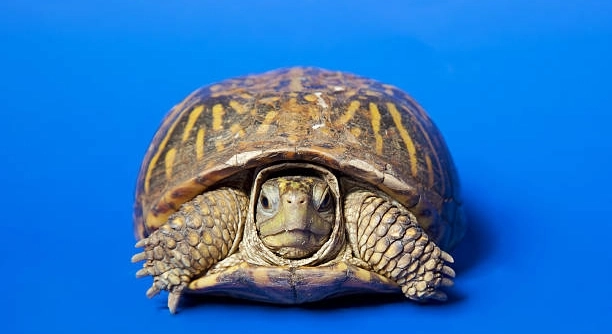
Have you noticed your box turtle’s shell changing color and wondered what might be causing it? Shell discoloration can be alarming for turtle owners, but understanding its causes can help ensure your pet’s health and happiness.
Box turtle shell discoloration is often due to dietary imbalances, improper lighting, fungal infections, or aging. Identifying the root cause is crucial for addressing the issue and maintaining your turtle’s well-being.
From identifying poor diet habits to recognizing signs of illness, let’s explore the common reasons behind these changes. Understanding the cause will help you better care for your box turtle and its unique needs.
Poor Diet and Nutritional Imbalance
Your box turtle’s shell health relies heavily on proper nutrition. A diet lacking essential vitamins and minerals, such as calcium and vitamin D3, can weaken the shell, leading to discoloration. Overfeeding protein or offering inappropriate foods can also cause shell irregularities over time. Maintaining a balanced diet with leafy greens, vegetables, fruits, and occasional protein sources is key to ensuring your turtle’s overall health and vibrant shell.
A poor diet often leads to shell discoloration because it impacts the turtle’s ability to maintain strong, healthy scutes. Over time, this can result in soft spots or uneven pigmentation.
By offering varied, high-quality foods and supplements like calcium powder, you can help your turtle thrive. Monitor your turtle’s eating habits closely, and consider consulting a vet for dietary guidance if you notice any changes in its shell.
Improper Lighting and UVB Exposure
Box turtles need proper UVB lighting to synthesize vitamin D3, essential for calcium absorption and shell health. Without adequate UVB, their shells may soften or lose their natural color.
Lighting should mimic natural sunlight, with a UVB bulb placed at the right distance and intensity. Overexposure or weak bulbs can disrupt their health.
Ensure your turtle has access to UVB lighting for 10–12 hours daily, and replace bulbs every 6–12 months to maintain effectiveness. Combining proper lighting with a balanced diet creates the ideal environment for shell maintenance and growth.
Fungal Infections
Fungal infections are a common reason for shell discoloration in box turtles. These infections often result from excessive moisture, poor hygiene, or inadequate tank conditions. Left untreated, they can cause serious damage to the shell.
Symptoms of fungal infections include white patches, soft spots, or areas of peeling on the shell. Maintaining clean and dry conditions is crucial for preventing fungal growth. If you suspect an infection, clean the shell gently with an antifungal solution recommended by a vet. Timely treatment helps prevent the infection from spreading.
Preventing fungal infections starts with proper tank maintenance. Ensure the enclosure is clean, with appropriate humidity levels and a dry basking area. Regularly inspect your turtle’s shell for early signs of trouble. Making adjustments to their environment can go a long way in keeping fungal issues at bay.
Aging and Natural Changes
As turtles age, it’s natural for their shells to undergo some changes. The color may fade slightly or develop a more weathered appearance. This is a normal part of their aging process and is typically harmless.
Older turtles often show slight discoloration as their shells reflect years of growth and environmental exposure. However, sudden or extreme changes might signal an underlying problem. Monitor your turtle closely to distinguish between normal aging and potential health concerns.
Providing proper care, including a balanced diet, clean habitat, and regular vet checkups, helps ensure your turtle ages gracefully. While natural discoloration is part of growing older, maintaining good health practices keeps your turtle comfortable and healthy throughout its life.
Bacterial Infections
Bacterial infections can cause discoloration on your box turtle’s shell, often appearing as dark, moist, or foul-smelling patches. These infections typically result from injuries, poor hygiene, or improper living conditions. Treating infections promptly helps avoid long-term damage.
Maintaining clean tank conditions and addressing any injuries immediately can reduce the risk of bacterial infections. If signs appear, consult a vet for proper diagnosis and treatment.
Environmental Factors
Environmental factors like dirty water, excessive humidity, or unsuitable substrates can lead to shell discoloration. Consistently poor conditions can stress your turtle and affect its shell’s appearance.
Creating a clean and well-regulated habitat, with appropriate temperatures and humidity levels, is essential. Regular cleaning and proper substrate choices help maintain a healthy environment.
Parasites
Parasites such as shell mites can damage the shell and cause discoloration. Regular inspections of your turtle’s shell and enclosure help identify and address infestations early. Keep the habitat clean to minimize risks.
FAQ
What should I do if my box turtle’s shell changes color suddenly?
Sudden shell discoloration can indicate a health issue such as fungal or bacterial infections, poor diet, or improper habitat conditions. Begin by inspecting your turtle’s shell and reviewing its diet and environment. If the discoloration persists or worsens, consult a veterinarian to rule out serious conditions and ensure proper treatment.
Can shell discoloration harm my turtle?
Discoloration itself isn’t harmful, but it can signal underlying problems that may affect your turtle’s health. Issues like infections, poor lighting, or dietary imbalances can lead to discomfort or more severe health complications. Prompt identification and treatment are essential for maintaining your turtle’s well-being.
How often should I inspect my turtle’s shell?
Regular shell inspections are important. Check your turtle’s shell weekly for any discoloration, cracks, or unusual textures. Frequent inspections allow you to catch potential problems early, ensuring quick action if anything seems off.
Does water quality affect shell discoloration?
Yes, poor water quality can contribute to shell discoloration. Dirty or contaminated water can promote bacterial and fungal growth, leading to health issues. Maintain clean water in your turtle’s enclosure by regularly changing it and using a suitable filtration system.
Can stress cause shell discoloration?
Stress can indirectly lead to shell discoloration by weakening your turtle’s immune system, making it more susceptible to infections or health problems. Reducing stressors like improper handling, overcrowded enclosures, or sudden habitat changes can help protect your turtle’s health.
What are the best foods to prevent shell discoloration?
A balanced diet helps prevent discoloration. Leafy greens like collards, kale, and dandelion greens should be a staple. Add vegetables, fruits, and occasional protein like insects. Supplement with calcium powder to support strong and healthy shells.
How do I know if UVB lighting is sufficient?
Ensure UVB lighting covers 10–12 hours daily and is positioned at the correct distance, usually 12–18 inches from your turtle. Replace bulbs every 6–12 months to maintain effectiveness. If your turtle’s shell shows signs of dullness or softening, check the UVB setup immediately.
Can old injuries cause discoloration?
Yes, old injuries can result in permanent discoloration or scarring on the shell. These marks are usually harmless if the injury has healed properly. Keep an eye on old injury sites for signs of infection or unusual changes.
How do I clean my turtle’s shell safely?
Clean your turtle’s shell gently using lukewarm water and a soft brush. Avoid harsh chemicals or soaps, as they can irritate the shell and skin. Regular cleaning helps remove debris and prevents infections.
When should I consult a veterinarian?
Consult a vet if discoloration is accompanied by foul odors, peeling, soft spots, or changes in your turtle’s behavior. Prompt professional help ensures proper diagnosis and treatment, protecting your turtle’s health.
Final Thoughts
Caring for a box turtle’s shell is an important part of ensuring its overall health. Shell discoloration can happen for many reasons, including diet, environmental factors, infections, and aging. While some changes are normal, others may indicate underlying issues that need attention. Observing your turtle closely and understanding its needs can help you identify and address any problems early.
Providing a clean and well-maintained habitat is one of the best ways to prevent shell discoloration. Proper UVB lighting, a balanced diet, and regular inspections are essential for maintaining a healthy shell. Simple steps, like keeping water clean and monitoring humidity levels, make a big difference in your turtle’s well-being. If you notice anything unusual, seeking advice from a vet ensures your turtle gets the care it needs.
A healthy shell reflects a healthy turtle. By staying informed and proactive, you can help your turtle thrive in its environment. Every effort you make to maintain its habitat and care routine contributes to its long-term health and happiness. Small changes and consistent care can prevent potential problems, giving your turtle the best chance to live a vibrant and fulfilling life.

Hello,
If you enjoy the content that we create, please consider saying a "Thank You!" by leaving a tip.
Every little bit helps us continue crafting quality advice that supports the health, happiness, and well-being of pets around the world, for pets of all shapes, sizes, and species.
We really appreciate the kindness and support that you show us!