
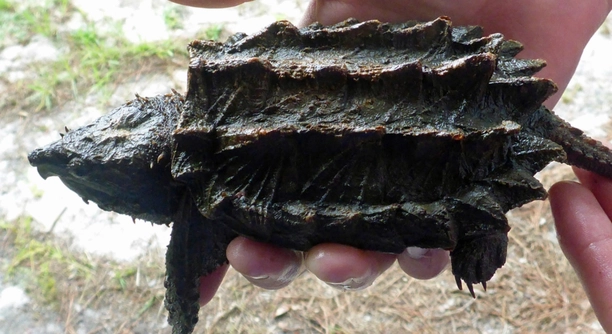
Alligator snapping turtles are fascinating creatures, but like any pet, they can face health challenges. One common issue that owners may notice is bloating. Understanding the causes can help improve their well-being.
Bloating in alligator snapping turtles can occur for various reasons, including improper diet, water quality issues, overfeeding, or underlying health conditions. Identifying the root cause is essential for treating and preventing this condition.
Knowing the causes of bloating can help keep your turtle healthy. From feeding habits to environment factors, the right care is key to managing this issue effectively.
Improper Diet and Overfeeding
One of the main causes of bloating in alligator snapping turtles is an improper diet, especially overfeeding. These turtles are carnivores, and their diet should mainly consist of protein-rich foods like fish, insects, and small aquatic animals. However, feeding them too much or giving them the wrong types of food can lead to digestive issues. Overfeeding is a common mistake, as some owners might think feeding their turtle larger portions will make it healthier. In reality, it can cause their stomach to bloat due to excessive food intake, which can put strain on their digestive system.
If your turtle has been overfed, it is important to adjust its diet to meet its nutritional needs. A good rule of thumb is to feed them only what they can consume in a few minutes, usually two to three times a week.
Overfeeding can cause long-term health issues, so it’s important to manage the feeding schedule properly. By giving your alligator snapping turtle appropriate portions and choosing the right types of food, you can reduce the risk of bloating and ensure they maintain a healthy weight. This helps to keep their digestive system functioning smoothly and reduces the risk of further complications.
Poor Water Quality
Water quality plays a crucial role in the overall health of alligator snapping turtles. If the water they live in is not clean or has poor filtration, it can lead to various health problems, including bloating. Contaminated or dirty water can cause bacteria or parasites to thrive, which can affect the turtle’s digestion. These harmful microorganisms can disrupt the normal digestive process, potentially leading to gastrointestinal issues such as bloating.
Proper water maintenance is essential to keeping your turtle healthy. Regularly changing the water, ensuring proper filtration, and testing for harmful chemicals can help prevent bloating and other health concerns.
Parasites and Infections
Parasites and infections are common causes of bloating in alligator snapping turtles. These can disrupt their digestion and cause discomfort. Parasites such as roundworms or tapeworms can build up in the digestive tract, leading to bloating and other health issues.
Infected turtles may show signs like lethargy, loss of appetite, and abnormal behavior. If your turtle seems bloated and shows these signs, it’s important to consult a vet. A stool sample test can help determine if parasites are the issue.
Addressing parasites requires a treatment plan from a veterinarian. They may prescribe dewormers or antibiotics to eliminate the infection. After the treatment, it’s important to monitor your turtle’s health to ensure the infection is gone. Maintaining clean water and providing a proper diet can help prevent these issues from recurring.
Inappropriate Habitat Conditions
Alligator snapping turtles can also experience bloating due to poor habitat conditions. These turtles need a proper balance of temperature, humidity, and space to thrive. If their habitat isn’t set up correctly, stress can build up, causing digestive problems like bloating.
A habitat that’s too warm or too cold can affect their metabolism, and improper water depth may cause them to struggle with digestion. Ensuring the right water temperature and a comfortable environment is key to preventing bloating and keeping your turtle healthy.
Regularly check the temperature and water conditions in your turtle’s habitat. It’s crucial to replicate the natural environment as closely as possible. When everything is balanced, your turtle will be less likely to experience stress or bloating. This also helps improve their overall health and quality of life.
Dehydration
Dehydration is another factor that can contribute to bloating in alligator snapping turtles. Without enough water, their digestive system can become sluggish, leading to bloating and discomfort.
A turtle that’s dehydrated may also become lethargic or refuse to eat. Ensuring access to clean, fresh water is essential for their overall health.
Stress
Stress in alligator snapping turtles can result from various factors, such as sudden environmental changes, overcrowding, or even poor handling. This can lead to digestive issues, including bloating.
Stress can cause a drop in the turtle’s immune function, making it more susceptible to illness. Reducing stress by maintaining a stable environment and handling your turtle gently can minimize the chances of bloating and other health problems.
Overhandling
Too much handling can be a source of stress for alligator snapping turtles, contributing to bloating. When handled too frequently, they can become stressed and have trouble with digestion.
It’s important to respect their space and only handle them when necessary. Minimizing stress from overhandling can help maintain a stable digestive system and reduce the likelihood of bloating.
FAQ
What are the signs that my alligator snapping turtle is bloated?
Bloating in alligator snapping turtles can be seen through physical changes such as an enlarged or swollen abdomen. Your turtle may appear rounder or have a noticeable distension in its belly area. Along with this, you might notice a decrease in appetite, lethargy, or changes in behavior like reluctance to move or swim. It’s essential to observe any shifts in their usual behavior and appearance, as these can point to a bloated condition.
Can bloating in alligator snapping turtles be dangerous?
Yes, bloating can be dangerous if left untreated. In severe cases, it may indicate underlying health problems, including infections, internal parasites, or digestive issues. If not addressed, prolonged bloating can lead to more serious complications, such as organ damage or a weakened immune system. Immediate attention and treatment are necessary to prevent further harm.
How can I prevent bloating in my alligator snapping turtle?
Preventing bloating starts with proper care. Ensure your turtle’s diet consists of the right foods, feed appropriate portions, and avoid overfeeding. Maintain clean water and a proper habitat, ensuring temperature and humidity are ideal. Also, minimize stress by providing a calm environment and limiting handling. Routine checkups with a veterinarian can also help spot problems early.
Is it safe to feed my alligator snapping turtle vegetables?
Alligator snapping turtles are primarily carnivorous, and their diet should focus mainly on protein, such as fish, insects, and small amphibians. While they may occasionally eat some plant matter, vegetables should not be a large part of their diet. Offering small amounts of leafy greens or aquatic plants is acceptable, but always ensure the majority of their meals are high in protein to avoid nutritional imbalances.
How often should I feed my alligator snapping turtle?
Feeding should occur about two to three times per week. Overfeeding is a common cause of bloating, so avoid offering excessive amounts of food. The portions should be small enough that your turtle can finish them in 5 to 10 minutes. Adjust the quantity based on your turtle’s size and activity level, and ensure they’re eating a balanced diet.
What water conditions are best for my alligator snapping turtle?
Alligator snapping turtles require clean, well-filtered water. The temperature should be kept between 75°F to 85°F (24°C to 29°C), and the water should be dechlorinated. Regular water changes are crucial to prevent bacteria buildup. Water depth is also important, as they prefer deeper water to submerge themselves, which helps keep them healthy and stress-free.
Should I worry if my alligator snapping turtle isn’t eating?
A lack of appetite can be a sign of bloating or other underlying health issues, such as stress, illness, or improper water conditions. If your turtle refuses food for more than a couple of days, it’s best to investigate the cause. Ensure that the water is clean and the habitat is at the proper temperature. If the issue persists, consider consulting a veterinarian.
Can alligator snapping turtles get bloated from stress?
Yes, stress is a known contributor to bloating in alligator snapping turtles. Stress can stem from environmental changes, poor habitat conditions, or overhandling. It can lead to digestive issues and bloating. To prevent stress, provide a stable and quiet environment, avoid unnecessary handling, and ensure their habitat is comfortable.
How can I tell if my turtle has parasites?
Parasites in alligator snapping turtles often lead to bloating, weight loss, and poor appetite. If you notice symptoms like lethargy, abnormal feces, or a bloated abdomen, parasites could be the cause. A veterinarian can perform tests to diagnose a parasitic infection. Routine fecal tests are a good preventive measure to catch parasites early.
Can bloating be caused by improper water filtration?
Yes, improper water filtration can lead to water contamination, which may introduce harmful bacteria or parasites to your turtle’s environment. These microorganisms can disrupt the digestive system, resulting in bloating and other health issues. Regular maintenance of the filter and frequent water changes will help prevent this problem.
Final Thoughts
Bloating in alligator snapping turtles can be caused by a variety of factors, from overfeeding to poor water quality. Understanding these causes is essential for maintaining your turtle’s health. When you notice signs of bloating, it’s important to pay attention to their behavior and physical changes. If their belly appears swollen or they seem more sluggish than usual, it may be time to check their diet, water conditions, and overall habitat setup. Taking quick action can help prevent more serious health problems.
One of the most effective ways to prevent bloating is by providing a balanced diet and controlling how much you feed your turtle. Overfeeding is a common mistake and can put extra strain on their digestive system, leading to discomfort. Always offer food in moderation and stick to appropriate portions for their size. A proper feeding schedule and the right mix of protein-rich foods will ensure that your turtle remains healthy and active. Additionally, keeping their environment clean and stress-free plays a significant role in preventing bloating. Make sure their habitat is properly set up with clean water, correct temperature, and enough space to swim and explore.
If bloating continues to be a problem despite adjusting diet and water conditions, it’s best to consult with a veterinarian. There may be underlying health issues, such as parasites or infections, that require professional treatment. By staying attentive to your turtle’s health and making the necessary changes to its diet and environment, you can reduce the chances of bloating. Regular check-ups and proactive care will help your alligator snapping turtle live a long, healthy life.

Hello,
If you enjoy the content that we create, please consider saying a "Thank You!" by leaving a tip.
Every little bit helps us continue crafting quality advice that supports the health, happiness, and well-being of pets around the world, for pets of all shapes, sizes, and species.
We really appreciate the kindness and support that you show us!