
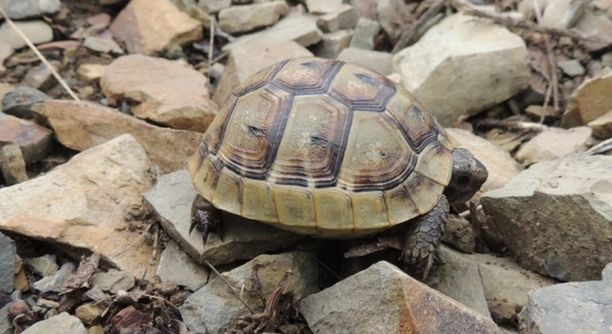
Greek tortoises are fascinating creatures, but sometimes they can experience health problems, one of which is beak overgrowth. This issue can cause discomfort and affect their ability to eat properly. It’s important to understand its causes.
Beak overgrowth in Greek tortoises can result from several factors, such as poor diet, lack of proper calcium intake, insufficient natural wear, or underlying health conditions. Addressing these causes can help prevent further complications and improve your tortoise’s well-being.
Understanding the common causes of beak overgrowth will help you keep your tortoise healthy and prevent any future issues.
Poor Diet and Lack of Proper Nutrition
A diet lacking in essential nutrients is one of the primary reasons for beak overgrowth in Greek tortoises. Tortoises need a balanced diet rich in fiber, calcium, and other vitamins. Without proper nutrition, their beaks may not wear down naturally as they chew, leading to overgrowth. Greek tortoises are herbivores, and their diet should consist mainly of leafy greens, grasses, and some fruits. Supplementing with calcium is important to support healthy bone and shell growth, which also influences the beak’s condition. If their diet is primarily made up of foods low in these nutrients, beak problems are more likely to occur.
Poor diet can be difficult to detect until the issue becomes noticeable. Regularly inspecting your tortoise’s beak and overall health will help you notice any signs early on.
Providing a variety of appropriate foods and ensuring they have access to proper nutrition will keep your tortoise’s beak in check. Regularly offering calcium-rich foods like dandelion greens, kale, and calcium supplements can help prevent overgrowth and other health concerns.
Insufficient Natural Wear
Greek tortoises require a surface that allows them to naturally grind down their beaks as they chew on rough vegetation. Without enough opportunities to wear down their beaks naturally, overgrowth can develop. Tortoises need varied textures in their food, such as fibrous plants, to aid in this natural wear. Additionally, they benefit from having rough surfaces to walk on, like rocks or gravel. Without these, their beaks can become excessively long and problematic.
Be sure your tortoise has access to environments that promote natural wear on their beaks and other parts of their body. Simply providing a safe outdoor space with natural textures can make a significant difference.
Health Issues and Beak Overgrowth
Health problems such as metabolic bone disease or other infections can lead to abnormal beak growth. These conditions often result from insufficient calcium or vitamin D3. Without proper care, tortoises can suffer from skeletal and beak deformities. Regular veterinary check-ups are essential to ensure they are healthy and thriving.
If a Greek tortoise is suffering from a health issue, it can cause their beak to grow faster than it should. Metabolic bone disease, for example, weakens bones and affects the tortoise’s ability to process calcium, which impacts the beak. The overgrowth can make it harder for them to feed properly, resulting in malnutrition.
Correcting the underlying health condition is essential to solving the problem of beak overgrowth. Providing a balanced diet with the right nutrients is crucial in preventing these issues from developing. A veterinarian can offer treatments and recommendations to improve the tortoise’s health.
Lack of Sunlight and Vitamin D3
Without proper sunlight, tortoises cannot produce enough vitamin D3, which is essential for calcium absorption. This can lead to bone issues and an overgrown beak. Allowing your tortoise exposure to natural sunlight helps them maintain their health and avoid such problems.
Tortoises rely on sunlight to produce vitamin D3, which enables them to absorb calcium effectively. Without enough of this nutrient, their shells and bones, including the beak, can become soft or deformed. Beak overgrowth is one of the signs of such deficiencies. If a tortoise is kept indoors for long periods without access to UVB lighting or natural sunlight, they are at risk of developing metabolic bone disease and related issues.
Providing your tortoise with daily access to sunlight or a UVB light source will help them stay healthy and prevent further complications. This simple change can make a big difference in your tortoise’s long-term well-being.
Improper Habitat Conditions
Improper habitat conditions can lead to stress and health problems for Greek tortoises. Lack of proper space or an unsuitable environment can prevent them from engaging in natural behaviors, which could result in beak overgrowth. Make sure they have ample space to roam.
Tortoises need an environment where they can freely move, bask, and find food. A cramped or poorly designed habitat can restrict their movement, leading to various health issues, including overgrowth of the beak. When your tortoise is under stress from poor conditions, it can impact their ability to feed naturally, which may lead to beak issues.
To avoid these problems, provide a spacious and naturalistic habitat. Ensure they have access to natural elements like rocks, plants, and room to roam. A comfortable environment will encourage proper behavior and contribute to a healthier tortoise.
Overfeeding of Soft Foods
Overfeeding soft foods can lead to improper beak wear. When a tortoise eats too many soft foods, it may not get the chance to naturally trim its beak. A varied diet with rougher foods will help maintain balance.
A diet full of soft foods like fruits or tender vegetables can cause your tortoise to neglect the chewing process needed for beak wear. This can result in the beak becoming overgrown and misshapen. Adding fibrous plants and tougher greens into their diet can prevent this issue from occurring.
FAQ
What are the symptoms of beak overgrowth in Greek tortoises?
Beak overgrowth in Greek tortoises can be seen when their beak appears longer or more pointed than usual. They may also have difficulty eating or may start to refuse food altogether. If the beak becomes too long, it can prevent the tortoise from closing its mouth properly, which can lead to further health issues. You may also notice that the tortoise is more irritable or exhibits changes in behavior, possibly due to the discomfort caused by the overgrown beak.
How can I prevent beak overgrowth in my Greek tortoise?
The best way to prevent beak overgrowth is to ensure your tortoise has a well-balanced diet that includes the right amount of fiber, calcium, and other essential nutrients. Offer a variety of fibrous, rough-textured foods like grasses, weeds, and leafy greens to encourage natural beak wear. Provide opportunities for your tortoise to engage in natural behaviors, like chewing and foraging, by offering them the appropriate environment and the right types of food. Proper UVB lighting and exposure to natural sunlight are also important for overall health and prevention of beak issues.
Can I trim my tortoise’s beak if it’s overgrown?
Yes, if the beak of your tortoise is overgrown, it can be trimmed, but it’s best done by a veterinarian or an experienced reptile professional. Trimming the beak too much or improperly can cause injury or stress to the tortoise. If you notice the overgrowth, don’t attempt to trim it yourself unless you’re trained to do so. Regular check-ups with a vet can help keep the beak in proper condition. In some cases, your vet may recommend a beak trim as part of the treatment plan.
What is the role of calcium in preventing beak overgrowth?
Calcium plays a crucial role in maintaining the health of a tortoise’s beak, shell, and bones. A lack of calcium can lead to softer, weaker bones and deformities, including an overgrown beak. If your tortoise’s diet is deficient in calcium, it may not be able to process other nutrients properly, leading to health problems. To prevent beak overgrowth, offer calcium-rich foods, such as dandelion greens, kale, or specially formulated calcium supplements. Additionally, ensure your tortoise has proper UVB lighting, which helps them absorb calcium more effectively.
Can poor hydration cause beak overgrowth in Greek tortoises?
While hydration itself isn’t a direct cause of beak overgrowth, dehydration can lead to general health problems that might contribute to abnormal beak growth. A dehydrated tortoise might also become more sluggish and less likely to engage in natural behaviors, like chewing on fibrous plants, which help maintain the beak. Ensure your tortoise always has access to clean water, and consider soaking your tortoise occasionally to encourage hydration and digestion. Proper hydration supports overall health, which, in turn, helps prevent beak problems.
How often should I inspect my tortoise’s beak?
Regularly inspecting your tortoise’s beak is essential to catch any signs of overgrowth early. A quick weekly check should help you notice any changes in shape or length. If you observe any abnormalities or if your tortoise has difficulty eating, schedule a vet appointment. Routine check-ups with a reptile vet are also recommended to monitor overall health, including the condition of the beak, shell, and other vital areas.
What other health conditions are associated with beak overgrowth?
In addition to the common causes like poor diet and calcium deficiency, metabolic bone disease (MBD) and other nutritional imbalances can also contribute to beak overgrowth. MBD, which is often caused by a lack of UVB exposure and inadequate calcium intake, can cause the bones to weaken, leading to abnormal growth patterns in the beak. Infections or other systemic health issues might also affect the beak’s growth. Regular veterinary care can help detect these conditions before they become severe.
How can I improve my tortoise’s habitat to prevent beak overgrowth?
To prevent beak overgrowth, your tortoise needs a habitat that supports natural behaviors like foraging, chewing, and moving freely. Provide access to rough surfaces like rocks, logs, or gravel that can help wear down the beak naturally. Create a larger, more naturalistic habitat that encourages movement, and be sure your tortoise has space to roam. Offering natural, varied food sources like weeds, grasses, and leafy greens will also help ensure their beak stays in healthy condition. Proper UVB lighting is crucial for bone and beak health as well.
Are there specific foods I should avoid to prevent beak overgrowth?
Avoid feeding your tortoise too many soft, high-moisture foods, such as fruits, lettuce, or tender vegetables. These foods don’t encourage the necessary chewing and beak wear that your tortoise needs to stay healthy. Instead, focus on fibrous, coarse vegetation like grasses, dandelion greens, and other weeds that help wear down the beak. A varied diet with the right balance of vitamins and minerals is key to preventing overgrowth. Also, be cautious with any commercial tortoise food—make sure it’s nutritionally balanced and doesn’t contribute to calcium imbalances.
How long does it take to correct beak overgrowth?
The time it takes to correct beak overgrowth depends on the severity of the issue and the treatment method used. If your tortoise has minor overgrowth, improving their diet and habitat conditions may help naturally wear down the beak within a few weeks. However, more significant cases may require a veterinary intervention, such as a beak trim or medical treatment for underlying health issues. Patience is important, as beak issues can take time to correct. Regular monitoring and adjustments to diet and care can help improve the situation gradually.
Final Thoughts
Beak overgrowth in Greek tortoises is a condition that can cause discomfort and even health problems if left unchecked. Regular monitoring of your tortoise’s beak and overall health is important for preventing this issue. A balanced diet rich in fiber, calcium, and other essential nutrients will help your tortoise maintain a healthy beak. Along with the right diet, providing opportunities for natural behaviors like chewing and foraging can support the proper wear of the beak. The right environment, with adequate space and rough surfaces to encourage natural movements, also plays a role in preventing overgrowth.
While beak overgrowth can often be prevented with proper care, it’s important to be aware of signs that something might be wrong. If your tortoise shows difficulty eating, or if you notice their beak becoming longer or misshapen, it’s important to address the issue promptly. Overgrown beaks can lead to more severe problems, such as difficulty closing the mouth or other related health issues. Seeking veterinary advice is crucial if you suspect your tortoise has an overgrown beak or any other health concerns. A vet can provide guidance and may perform necessary treatments to correct the overgrowth.
Maintaining your tortoise’s health involves a holistic approach that includes diet, habitat, and regular check-ups. While it may take time to see improvement in cases of beak overgrowth, consistency in your care routine will support long-term health. Beak issues are manageable with early intervention and the right preventative measures. By staying attentive to your tortoise’s needs and making the necessary adjustments to their care, you can help ensure that they remain healthy and comfortable.

Hello,
If you enjoy the content that we create, please consider saying a "Thank You!" by leaving a tip.
Every little bit helps us continue crafting quality advice that supports the health, happiness, and well-being of pets around the world, for pets of all shapes, sizes, and species.
We really appreciate the kindness and support that you show us!