
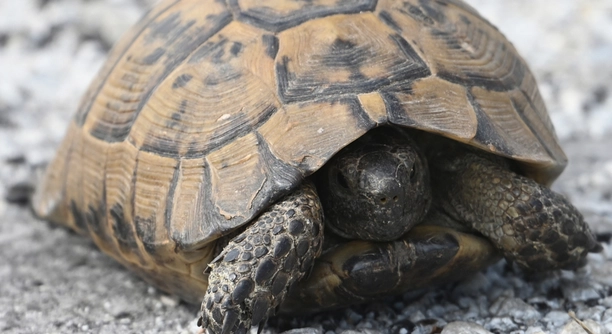
Appetite loss in Russian tortoises can be concerning for owners. These reptiles rely on regular feeding to stay healthy and active. Identifying the cause of appetite loss is essential for ensuring their well-being and addressing the issue properly.
Appetite loss in Russian tortoises is commonly caused by factors such as improper temperature, stress, illness, dietary imbalances, or environmental changes. Addressing these concerns through proper care can help restore their appetite and prevent further health complications.
There are several factors that can affect your tortoise’s eating habits. Understanding what influences their appetite will help you take the right steps to get them back on track.
Improper Temperature and Lighting
Temperature plays a key role in a Russian tortoise’s health and appetite. If their habitat is too cold or too hot, they may lose their appetite. Russian tortoises are cold-blooded animals, meaning they rely on external heat sources to regulate their body temperature. If their environment isn’t warm enough, they won’t feel like eating. This is especially true if the temperature drops below their preferred range of 75-85°F during the day and 65-75°F at night. Proper lighting, such as UVB bulbs, is also crucial. Without UVB exposure, tortoises can develop a range of health issues that lead to decreased appetite.
Maintaining a stable temperature and using the right lighting are essential for your tortoise’s health. Without them, appetite loss is likely to occur, making recovery more difficult.
To keep your tortoise comfortable and eating, consider adjusting their habitat regularly. Use a thermometer to monitor the temperature and ensure their basking spot stays warm enough. UVB lighting should also be used for 12-14 hours a day to prevent deficiencies that might suppress their appetite. Always check the equipment to ensure it’s functioning properly, as faulty bulbs or heaters can lead to fluctuations in temperature that affect their health. If you notice any temperature-related issues, correct them as soon as possible to help restore their normal feeding behavior.
Stress and Overhandling
Stress is another factor that can affect a tortoise’s appetite.
Russian tortoises are sensitive to changes in their environment. Moving them frequently or handling them too much can cause stress, which in turn reduces their appetite. It’s important to limit handling and provide a calm, stable environment.
Stress can occur due to loud noises, sudden changes, or even the presence of other animals. To avoid stressing out your tortoise, keep their living space quiet and consistent. Let them explore and settle into their home without interruption. When handling them, do so gently and only when necessary. Reducing stress levels will likely help improve their eating habits and overall well-being.
Illness or Infection
When a Russian tortoise falls ill or develops an infection, it’s common for their appetite to decrease.
Any underlying health issues such as respiratory infections or parasites can cause them to lose interest in food. Illness can result in lethargy, watery eyes, or difficulty breathing, which all contribute to the lack of eating. If your tortoise is showing signs of illness, it’s important to consult a veterinarian right away.
Sometimes infections may not be immediately obvious, but if the appetite loss lasts for more than a few days, it’s a sign that something is wrong. Make sure to check for any other signs of illness, such as discolored or abnormal stools, swelling, or mucus around their nose. Proper medical treatment is essential for recovery. Keeping your tortoise’s environment clean and feeding them a balanced diet can also help prevent infections, but when appetite loss occurs, quick action is necessary to avoid further complications.
Diet and Nutrition
A poor diet is another reason a Russian tortoise may lose its appetite.
Russian tortoises need a variety of leafy greens, grasses, and vegetables. Without these proper nutrients, their digestive system can become sluggish, leading to loss of appetite. Offering the wrong foods, such as too much fruit or high-fat options, can also cause stomach discomfort, further reducing their desire to eat.
A balanced diet includes high-fiber plants like dandelion greens, clover, and collard greens, as well as occasional vegetables like squash and carrots. Avoid feeding them foods with high sugar content, as this can cause digestive issues and lead to a lack of interest in food. Offering a mix of food options and ensuring the diet is rich in nutrients will help keep your tortoise healthy and more likely to eat. Be mindful of portion sizes and remove any uneaten food after a few hours to prevent it from spoiling.
Environmental Changes
A sudden change in the environment can easily cause your tortoise to stop eating.
Russian tortoises are sensitive to changes in their surroundings. Whether it’s moving to a new enclosure, adding new pets, or shifting their living conditions, these changes can create stress, making them lose interest in food. Stability is key.
A consistent environment helps them feel safe and comfortable. Try to avoid unnecessary changes, and give your tortoise time to adjust if you do need to make modifications. A peaceful habitat, with adequate space, proper temperature, and lighting, will encourage your tortoise to eat regularly.
Dehydration
Dehydration can affect your tortoise’s appetite and overall health.
If your tortoise isn’t drinking enough water, it may become lethargic and stop eating. Dehydration can lead to digestive issues, making it harder for them to process food and leading to a lack of appetite. Always ensure they have access to fresh water.
To prevent dehydration, offer water regularly and mist their enclosure. You can also soak your tortoise in lukewarm water for 20-30 minutes to help them stay hydrated. Keeping them well-hydrated is crucial for encouraging healthy eating habits and maintaining their overall health.
FAQ
Why is my Russian tortoise not eating?
There are many reasons why your Russian tortoise might stop eating. The most common causes include improper temperature, stress, illness, poor diet, or environmental changes. It’s essential to ensure their habitat is set up correctly with the right temperature and UVB lighting. Stress can be caused by handling too often or sudden changes in their environment. If they are showing other signs of illness, such as lethargy or difficulty breathing, it’s best to take them to a vet. An unbalanced diet with too much fruit or incorrect vegetables can also cause them to lose interest in food.
How can I tell if my tortoise is sick?
When a Russian tortoise is sick, it may show various signs, such as lethargy, weight loss, swollen limbs, runny eyes, or mucus from the nose. If your tortoise refuses to eat for more than a couple of days or shows a change in behavior, it’s time to look for other symptoms. Look for unusual breathing sounds, difficulty walking, or soft, discolored stools. A visit to a veterinarian who specializes in reptiles is crucial for proper diagnosis and treatment. Early intervention can prevent serious health problems.
How do I make my tortoise eat again?
Making a tortoise eat again involves addressing the underlying cause of their lack of appetite. First, check their temperature and lighting to make sure they are within the proper range. If stress is a factor, try to make their environment quieter and avoid handling them too often. Offer a variety of fresh, leafy greens and remove any uneaten food after a few hours to prevent spoilage. If there’s a chance they’re dehydrated, soak them in warm water to help them rehydrate. Lastly, if there are signs of illness, seeking veterinary care is necessary.
Can temperature affect my tortoise’s appetite?
Yes, temperature directly affects a Russian tortoise’s appetite. These tortoises are ectothermic, meaning they rely on external heat sources to regulate their body temperature. If the environment is too cold, they may become sluggish and stop eating. The ideal temperature for your tortoise’s basking spot should be around 85°F, with a cooler area between 70-75°F. A temperature lower than 70°F can lead to reduced digestion and appetite. Make sure your tortoise’s habitat is consistent and heated properly, especially during colder months.
How often should I feed my Russian tortoise?
Russian tortoises typically eat every other day or every two days, depending on their age and size. Younger tortoises may need to eat more frequently, while adults can be fed less often. Offering a variety of leafy greens, grasses, and some vegetables is best for their diet. Avoid feeding them high-protein or high-sugar foods. If you notice your tortoise losing weight or not eating, it’s important to check their environment and health before adjusting the feeding schedule. Regularly remove any leftover food to avoid spoilage.
Can stress cause my tortoise to stop eating?
Yes, stress is a common reason for appetite loss in tortoises. If your Russian tortoise feels threatened by noise, sudden movements, or changes in its surroundings, it may refuse food. Common stressors include handling too often, the introduction of other pets, or moving to a new enclosure. Reducing stress by providing a quiet, stable environment can help restore their appetite. Also, avoid picking up your tortoise too frequently, as this can be overwhelming for them. If stress continues, the tortoise may become ill, making it even harder for them to eat.
How can I tell if my tortoise is dehydrated?
Dehydration in tortoises can cause them to become lethargic, and they may stop eating. Signs of dehydration include sunken eyes, dry skin, and a lack of urination. If you notice these symptoms, soak your tortoise in warm water for 20-30 minutes to help rehydrate them. You can also offer fresh, clean water regularly and mist their enclosure to maintain humidity. Make sure your tortoise always has access to water, as dehydration can lead to serious health issues if left untreated.
Is it safe to feed my tortoise fruits and vegetables?
Yes, it’s safe to feed your Russian tortoise fruits and vegetables, but they should make up a small portion of their diet. Focus on offering a variety of leafy greens, grasses, and safe, high-fiber plants. Fruits should be offered sparingly, as they contain too much sugar and can upset their digestive system. Some safe fruits include strawberries, apple slices, or melon, but they should only be provided as an occasional treat. A balanced diet of fiber-rich plants will help your tortoise maintain a healthy weight and digestion.
How can I improve my tortoise’s diet?
Improving your tortoise’s diet starts with offering a variety of fresh, high-fiber foods. Stick to leafy greens such as dandelion greens, collard greens, and mustard greens. Avoid feeding them iceberg lettuce, as it has little nutritional value. Adding small amounts of vegetables like squash, carrots, or bell peppers can also help, but keep the focus on leafy greens. Avoid too much fruit, as it can lead to digestive issues and poor appetite. Supplement their diet with calcium, either through foods or dusted supplements, to promote strong bones and shell health. Always remove any leftover food after a few hours to prevent spoilage.
Final Thoughts
Understanding the reasons behind appetite loss in Russian tortoises is essential for providing them with the best care. Whether it’s due to improper temperature, stress, illness, or diet, each factor requires attention to ensure your tortoise stays healthy and active. Small changes in their environment or daily routine can make a significant difference in how they eat and feel. Keeping their habitat stable and offering the right foods are important steps to avoid appetite loss and support their long-term health.
It’s also important to be patient and observant when your tortoise stops eating. Take note of any other signs that could point to an underlying issue, such as lethargy, abnormal behavior, or changes in their physical appearance. If necessary, seek advice from a reptile vet to address any potential health problems early on. Remember that tortoises are sensitive creatures, and any changes, even small ones, can affect their well-being. Maintaining a consistent environment, offering variety in their diet, and keeping an eye on their overall health can help them stay happy and thriving.
Finally, while appetite loss can be worrying, it is often reversible with the right care. By staying on top of your tortoise’s needs and adjusting their environment or routine when needed, you can help ensure they continue to live a healthy, comfortable life. Monitoring their eating habits and seeking medical help when necessary can give your Russian tortoise the best chance at recovery and a return to their normal eating habits. With attention to detail and care, your tortoise can get back on track and enjoy a healthy, active life.

Hello,
If you enjoy the content that we create, please consider saying a "Thank You!" by leaving a tip.
Every little bit helps us continue crafting quality advice that supports the health, happiness, and well-being of pets around the world, for pets of all shapes, sizes, and species.
We really appreciate the kindness and support that you show us!