
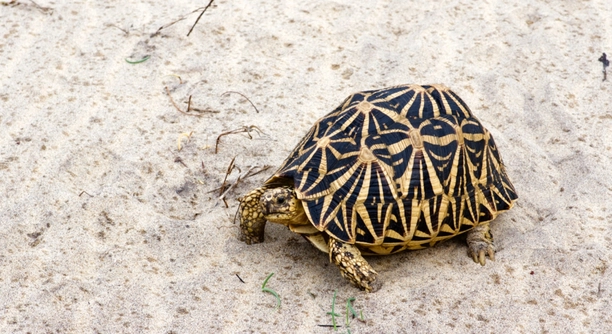
Indian star tortoises are a fascinating species to care for, but breeding them can be challenging. Many breeders make common mistakes that can impact the health and wellbeing of these tortoises. Understanding these mistakes is crucial for success.
Common mistakes when breeding Indian star tortoises include improper diet, inadequate nesting conditions, and failure to monitor humidity and temperature. Ensuring optimal care by providing balanced nutrition, the right habitat, and controlled environmental factors is essential for successful breeding.
By recognizing these common errors, you can improve your breeding practices and give your tortoises the best chance at healthy offspring.
Incorrect Diet and Its Effects on Breeding
Feeding your Indian star tortoises the wrong diet can severely impact their breeding health. It’s important to provide them with a balanced variety of leafy greens, fruits, and other vegetables. High-protein or high-fat foods should be avoided, as they can lead to obesity or other health problems. Poor diet choices can cause reproductive issues and hinder fertility, reducing the chances of successful breeding. Additionally, feeding them inappropriate food can cause shell deformities or slow growth in younger tortoises.
A balanced diet ensures that the tortoises receive the right nutrients to stay healthy and reproduce effectively. Offering a variety of foods helps support their overall well-being.
Remember, providing high-quality hay and fresh greens is critical. A lack of variety or improper nutrients will weaken their immune system and make them more prone to diseases, further complicating the breeding process. Keep their diet as natural and varied as possible for optimal breeding conditions.
Improper Nesting Conditions
Creating the right environment for your tortoises to nest is essential for successful breeding. If they are not provided with a suitable space, their chances of successful reproduction diminish. The nesting area must have a proper temperature range, enough space for digging, and be secure from external threats.
Without the right nesting conditions, eggs may not hatch or hatchlings may not survive. A soft, well-drained substrate allows female tortoises to dig nests comfortably. Temperature also plays a crucial role in the sex determination of hatchlings, making it important to maintain a stable heat source. Additionally, providing privacy can reduce stress and encourage natural behavior.
The nesting area should be large enough to allow movement while being protected from predators. Inconsistent temperatures and humidity can harm the eggs or result in weak hatchlings, so ensure the area is kept at a consistent 28-30°C (82-86°F) for the best results.
Inadequate Humidity and Temperature Control
Humidity and temperature control are vital for the breeding success of Indian star tortoises. Failing to monitor these conditions can lead to egg infertility or poorly developed hatchlings. Ideal humidity levels should be between 60-80%, while the temperature should be kept between 28-30°C (82-86°F).
Temperature fluctuations can cause stress to tortoises and interfere with their reproductive cycle. It’s essential to maintain a stable environment with a basking area that’s slightly warmer and cooler areas for them to retreat. Humidity should be controlled to prevent dehydration and encourage healthy egg development. Inconsistent conditions can cause eggs to fail to hatch or result in weak hatchlings that struggle to survive.
A thermometer and hygrometer are necessary tools to monitor both temperature and humidity. Regular adjustments and close attention to environmental changes can help ensure optimal breeding conditions for your tortoises. Control these factors as consistently as possible for a higher rate of successful breeding and healthy offspring.
Stress from Overcrowding
Overcrowding can cause significant stress in Indian star tortoises, which in turn affects their ability to breed. A crowded environment creates competition for resources, leading to aggression and reduced reproductive success. Proper space for each tortoise is essential for their well-being.
Too many tortoises in a single enclosure can result in territorial fights and increased stress levels, which are detrimental to breeding. Tortoises require enough space to move freely, bask, and feed without competing for resources. It’s important to maintain an appropriate ratio of males and females to avoid stress caused by excessive mating attempts.
An overcrowded environment also reduces the ability of tortoises to find the right spot for nesting or retreating from others. Proper space allows for more natural behaviors, improving breeding success and reducing stress-induced health problems. Avoid placing too many tortoises in one enclosure, as overcrowding can significantly impact breeding results.
Lack of Proper Lighting
Proper lighting is essential for the overall health and breeding of Indian star tortoises. Without it, they can experience vitamin D deficiencies, which can impair calcium absorption, leading to weakened shells and bones. UVB light should be provided for at least 12 hours a day.
A suitable light source, such as UVB bulbs, helps simulate natural sunlight, allowing your tortoises to metabolize calcium effectively. This is crucial for reproductive health, as calcium plays a key role in egg production and the development of strong, healthy hatchlings.
Failing to provide the necessary lighting can lead to stunted growth, reproductive failure, and weakened shells. Ensure your tortoises receive adequate UVB exposure daily, using high-quality bulbs that are specifically designed for reptiles to support healthy breeding and development.
Overfeeding or Underfeeding
Both overfeeding and underfeeding can be detrimental to your Indian star tortoise’s health and breeding success. It’s important to feed them the right amount of food, ensuring they are neither overweight nor undernourished. Adjust food portions to maintain their health.
Overfeeding can lead to obesity and organ strain, while underfeeding can cause malnutrition and poor reproductive health. Feeding your tortoises a variety of appropriate foods while controlling portion sizes can help maintain their health. A balanced diet should include leafy greens, fruits, and occasional protein. Avoid offering excessive high-fat or high-protein foods.
Monitoring their weight and adjusting their diet accordingly ensures they are healthy enough to breed successfully. Providing the correct balance is vital for their long-term health and successful reproduction.
Ignoring Health Problems
Ignoring health issues can cause long-term damage to your tortoises, making breeding a challenge. Regular health checks are important to ensure your tortoises are not suffering from parasites, infections, or internal issues that could affect their fertility.
Health problems like respiratory infections, parasites, and improper shell growth can severely impact your tortoises’ reproductive abilities. It is vital to address these problems as soon as they arise. Veterinary care is recommended if any signs of illness appear, especially if they are hindering their breeding potential.
Proper monitoring and prompt action can help prevent minor issues from becoming serious concerns that disrupt the breeding process.
FAQ
What is the best temperature for breeding Indian star tortoises?
The ideal temperature for breeding Indian star tortoises should range between 28-30°C (82-86°F). Maintaining consistent warmth during the breeding season is crucial to encourage natural mating behaviors and egg production. During the night, temperatures can drop slightly, but they should not fall below 22°C (72°F). Extreme fluctuations in temperature can stress the tortoises and disrupt the breeding process. Providing a basking area that reaches 35°C (95°F) helps them regulate their body temperature. Ensuring the right balance between warmth and coolness will optimize breeding conditions and promote overall health.
How do I know if my Indian star tortoises are ready to breed?
There are a few signs that indicate your Indian star tortoises are ready to breed. Males may become more active, displaying courtship behaviors such as head bobbing and chasing females. Females, on the other hand, may show signs of increased appetite or exhibit digging behavior. These behaviors typically start when the tortoises reach sexual maturity, around 5-7 years of age. Males may also become more aggressive during mating seasons as they try to establish dominance over other males. If these signs are evident, your tortoises are likely ready to mate, and conditions should be optimized for successful breeding.
How long does it take for Indian star tortoise eggs to hatch?
Indian star tortoise eggs typically take around 90 to 120 days to hatch, depending on environmental conditions such as temperature and humidity. If the temperature is maintained within the ideal range of 28-30°C (82-86°F), the eggs will incubate for about 90 days. However, higher temperatures can lead to faster incubation, while lower temperatures may extend the hatching period. Humidity plays an essential role as well, so it should be maintained around 60-80% for proper egg development. Regularly monitoring the eggs’ condition and adjusting environmental factors will help ensure that the hatchlings emerge healthy.
How can I improve the chances of successful hatching?
To improve the chances of successful hatching, it is important to create an optimal incubation environment. First, ensure that the eggs are kept at a stable temperature of 28-30°C (82-86°F), and that humidity is maintained around 60-80%. Using a high-quality incubator with temperature and humidity controls will help maintain these conditions. The eggs should be placed in a shallow container filled with a substrate like vermiculite, which retains moisture and provides the right environment for the eggs. Avoid handling the eggs excessively, as this can lead to contamination or accidental damage.
What should I do if a tortoise is not mating?
If your tortoises are not mating, it could be due to several factors, including environmental stress, improper diet, or inadequate space. First, ensure that the temperature and humidity levels are ideal, as these can significantly impact breeding behavior. Next, check their diet to make sure they are receiving the necessary nutrients to support breeding. Sometimes, overcrowding or insufficient space can also prevent mating, as it can cause stress and reduce natural behaviors. If these factors are addressed and your tortoises are still not mating, consider consulting a veterinarian to rule out any health issues or hormonal imbalances.
How do I ensure my Indian star tortoises’ eggs are fertile?
The fertility of Indian star tortoise eggs can be ensured by providing the right breeding conditions. First, ensure that both male and female tortoises are healthy and of breeding age. Mating must occur within the proper temperature and humidity range to improve the chances of fertilization. After mating, females will typically lay eggs within a few weeks. To check if the eggs are fertile, you can use a method called “candling,” where you shine a light through the egg to check for the presence of veins or an embryo. Fertile eggs will show visible veins, indicating successful fertilization.
Can I breed Indian star tortoises in captivity?
Yes, it is possible to breed Indian star tortoises in captivity, provided that their environmental and dietary needs are met. Successful breeding requires the right temperature, humidity, and lighting conditions. A spacious enclosure with proper nesting areas should be set up, as well as sufficient privacy for mating. It’s important to monitor the tortoises’ health and nutrition to ensure they are in prime condition for breeding. Overcrowding or stress can hinder the breeding process, so proper care and space are essential for success. With the right setup and attention to their needs, breeding Indian star tortoises in captivity is achievable.
What are the common health issues that affect breeding in Indian star tortoises?
Common health issues that affect breeding in Indian star tortoises include respiratory infections, shell deformities, parasites, and malnutrition. Respiratory infections are often caused by poor humidity or temperature control and can impact breeding success by reducing overall health. Shell deformities can result from calcium deficiency, which can affect the tortoises’ ability to reproduce. Parasites, both internal and external, can also compromise breeding by causing malnutrition or weakening the immune system. Ensuring that your tortoises receive proper nutrition, maintain optimal environmental conditions, and undergo regular health checks can help prevent these issues.
When is the best time to breed Indian star tortoises?
The best time to breed Indian star tortoises is during the warmer months, typically between spring and early summer. This aligns with their natural breeding cycle, as they are most active and ready to mate during these times. Providing the right conditions during this period, such as a stable temperature range and appropriate light exposure, will increase the chances of successful breeding. However, with controlled environmental factors, breeding can occur year-round in captivity. It’s essential to replicate the natural seasonal cues that prompt breeding to ensure that both male and female tortoises are in optimal condition for reproduction.
How do I care for hatchlings once they are born?
Once Indian star tortoise hatchlings are born, it’s crucial to provide them with the right environment to ensure their survival and growth. Hatchlings should be kept in a separate enclosure that mimics the conditions of their natural habitat. This includes maintaining proper temperature (around 28-30°C or 82-86°F) and humidity levels (60-80%) to promote healthy growth. The enclosure should have access to both a basking area and a cooler zone for the tortoises to regulate their body temperature. Providing a varied diet of fresh greens and occasional fruits, as well as monitoring their health closely, will ensure the hatchlings grow into healthy, strong adult tortoises.
Final Thoughts
Breeding Indian star tortoises requires a combination of patience, attention to detail, and a commitment to providing the right environment. From understanding their natural behaviors to creating a suitable habitat, each step plays a role in ensuring successful breeding. It’s important to remember that these tortoises, like all reptiles, have specific needs that must be met to thrive. The right temperature, humidity, and diet can significantly impact both their health and the likelihood of successful reproduction. Even slight variations in their environment can cause stress, which may hinder their ability to breed effectively.
While the process may seem overwhelming at first, breaking it down into smaller tasks can make it more manageable. Start by ensuring your tortoises are of breeding age and in good health. Then, create an environment that mimics their natural habitat as closely as possible. Pay attention to details such as providing a suitable nesting area for females and giving males the opportunity to express courtship behaviors. Consistency is key when it comes to temperature and humidity, so monitoring these factors regularly is essential. If the tortoises are comfortable and stress-free, they will be more likely to engage in mating behaviors.
Finally, even if breeding does not happen right away, don’t get discouraged. It can take time for tortoises to adjust to the breeding conditions or for their natural instincts to take over. By continuing to provide the best care and environment, you will be setting the stage for future success. Whether you are a first-time breeder or have experience, the process can be both rewarding and educational. With the proper care and attention, your Indian star tortoises can thrive and breed successfully, ensuring the health and well-being of future generations.

Hello,
If you enjoy the content that we create, please consider saying a "Thank You!" by leaving a tip.
Every little bit helps us continue crafting quality advice that supports the health, happiness, and well-being of pets around the world, for pets of all shapes, sizes, and species.
We really appreciate the kindness and support that you show us!